
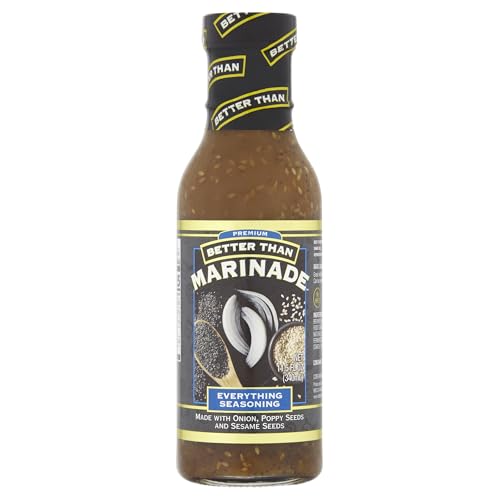

Better Than Everything Seasoning Marinade Seasoning
Analysis updated September 2026 · How Scout scores
At a glance
Summary
This marinade contains beneficial ingredients like garlic and onion, which offer potential health benefits. However, the presence of canola oil, a seed oil high in omega-6 fatty acids, and natural flavors, which are highly processed, detracts from its overall healthiness. The product's processing level and inclusion of these ingredients limit its potential score.
Key ingredients 13
GarlicGood
Garlic is a flavorful ingredient known for its potential health benefits, including antimicrobial and cardiovascular support. It contains sulfur compounds that may help reduce blood pressure and cholesterol levels. Fresh garlic is more beneficial than processed forms due to higher active compound content.
Risks
May cause digestive discomfort in some individuals when consumed in large amounts.
Benefits
Contains sulfur compounds that support heart health and have antimicrobial properties.
OnionGood
Onion is a nutrient-rich vegetable that provides flavor and potential health benefits, including antioxidant properties. It contains quercetin, which may help reduce inflammation and support heart health. Fresh onions are more beneficial than processed forms due to higher nutrient content.
Risks
May cause digestive discomfort in some individuals when consumed in large amounts.
Benefits
Rich in antioxidants and compounds that may support heart health and reduce inflammation.
Sesame SeedsGood
Beneficial ingredient — whole-food or functional value in this product class.
Risks
Potential allergen for some individuals.
Benefits
Provide healthy fats, protein, and essential minerals like calcium and magnesium.
Poppy SeedsGood
Beneficial ingredient — whole-food or functional value in this product class.
Risks
Potential allergen for some individuals.
Benefits
Contain healthy fats and minerals, adding nutritional value in small amounts.
SpicesGood
Whole-food seasonings, antioxidant-bearing.
Benefits
May provide antioxidants and other beneficial compounds depending on the spices used.
Distilled VinegarNeutral
Distilled vinegar is a common acidic ingredient used for flavor and preservation. It is produced through the fermentation of ethanol by acetic acid bacteria. While it adds tanginess and acts as a preservative, it does not provide significant nutritional benefits.
Benefits
May aid in food preservation and enhance flavor without adding calories.
SaltNeutral
Salt is a common seasoning used to enhance flavor and preserve food. It is composed primarily of sodium chloride and is essential for various bodily functions. However, excessive intake can lead to health issues such as hypertension.
Risks
Excessive sodium intake can contribute to high blood pressure and cardiovascular disease.
Benefits
Essential for maintaining fluid balance and nerve function in the body.
MolassesNeutral
Standard formulation ingredient — neither beneficial nor harmful at typical use.
Risks
High in sugar content, which should be consumed in moderation.
Benefits
Contains trace minerals like iron and calcium, offering more nutritional value than refined sugars.
Food StarchNeutral
Food starch is used as a thickening agent in various food products. It is typically derived from corn, potato, or tapioca and is highly processed. While it serves a functional purpose, it does not offer significant nutritional benefits.
Benefits
Provides texture and consistency to food products.
Fermented Rice ExtractNeutral
Fermented rice extract is used for flavor enhancement and may contain beneficial compounds from fermentation. It includes ingredients like rice malt and shiitake extract, which can add umami flavor. However, its nutritional impact is minimal in small quantities.
Benefits
May provide umami flavor and potential beneficial compounds from fermentation.
Brown SugarBad
Processed additive flagged under Scout's ingredient doctrine.
Risks
Excessive consumption of added sugars can lead to health issues such as obesity and dental cavities.
Benefits
Provides a distinct flavor profile compared to white sugar.
Natural FlavorsBad
Natural flavors are a catch-all term for flavoring agents derived from natural sources but are highly processed. They can contain a variety of compounds, making it difficult to assess their health impact. The lack of transparency in their composition is a concern.
Risks
Lack of transparency in composition may pose unknown health risks.
Canola OilVery Bad
Canola oil is a seed oil high in omega-6 fatty acids, which can promote inflammation when consumed in excess. It is typically extracted using high heat and chemical solvents, which may degrade its nutritional quality. Compared to healthier oils like olive or avocado oil, canola oil is less beneficial.
Risks
High omega-6 content may promote inflammation when consumed in excess.
Processing
Processed Foods
Get the full breakdown in the Scout appTake Scout shopping
Scan any product to see lab results, healthy alternatives, and your personalized analysis.
Download on theApp Store GET IT ONGoogle PlayAmazon pricing & content
Amazon price as of . Product prices and availability are accurate as of the date/time indicated and are subject to change. Any price and availability information displayed on Amazon.com at the time of purchase will apply to the purchase of this product.
CERTAIN CONTENT THAT APPEARS ON THIS SITE COMES FROM AMAZON. THIS CONTENT IS PROVIDED “AS IS” AND IS SUBJECT TO CHANGE OR REMOVAL AT ANY TIME.