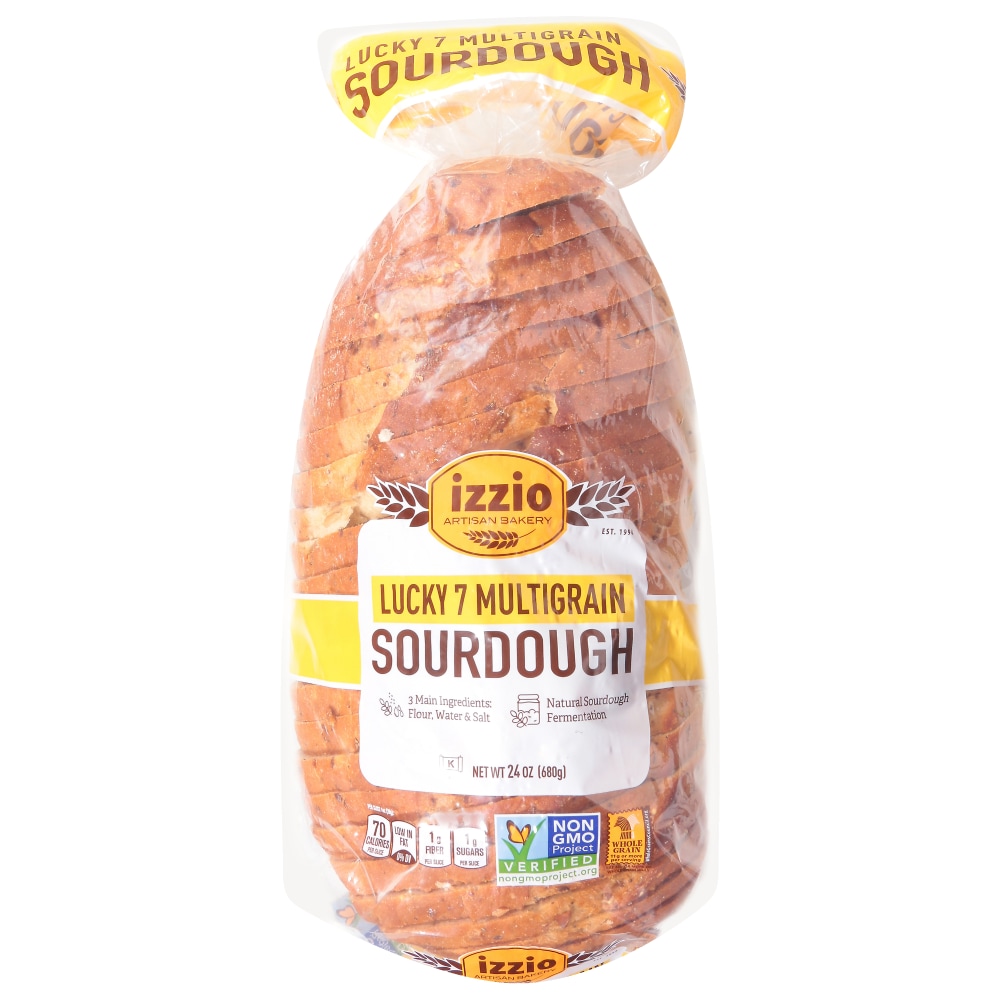
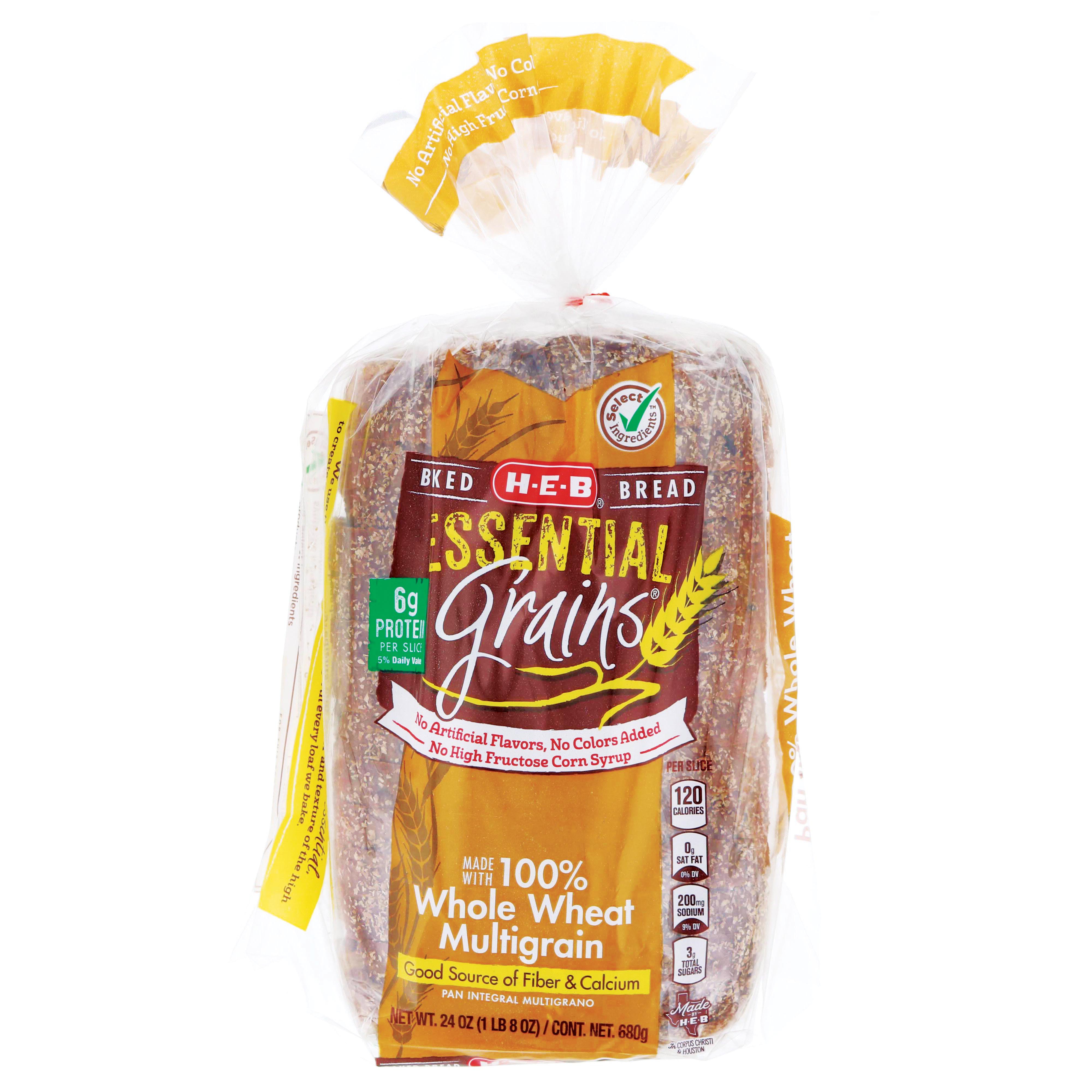
PUMPKIN SEED AND GRAIN BREAD

At a glance
Summary
This bread contains a variety of nutritious ingredients such as pumpkin seeds, mixed grains, linseeds, and sunflower seeds, which contribute to its fiber and healthy fat content. However, it includes a processed vegetable emulsifier, which detracts from its overall healthiness. The bread is moderately processed, which limits its score despite the presence of beneficial ingredients.
Key ingredients 18
Pumpkin seedsGood
Pumpkin seeds are a nutritious addition, rich in healthy fats, protein, and essential minerals like magnesium and zinc. They provide a crunchy texture and enhance the nutritional profile of the bread. Their inclusion supports heart health and provides antioxidant benefits.
Benefits
Rich in healthy fats, protein, and essential minerals, supporting heart health and providing antioxidant benefits.
Mixed grainsGood
Mixed grains such as kibbled wheat, rye, and triticale add fiber and nutrients to the bread. They enhance the texture and provide a more complex flavor profile. Whole grains are associated with improved digestive health and reduced risk of chronic diseases.
Risks
May contain gluten, which is a concern for individuals with celiac disease or gluten sensitivity.
Benefits
Provide fiber and nutrients, supporting digestive health and reducing the risk of chronic diseases.
LinseedsGood
Linseeds, also known as flaxseeds, are high in omega-3 fatty acids and fiber. They contribute to heart health and have anti-inflammatory properties. Their inclusion in bread boosts its nutritional value and provides a nutty flavor.
Benefits
High in omega-3 fatty acids and fiber, supporting heart health and providing anti-inflammatory benefits.
Sunflower seedsGood
Sunflower seeds are a good source of healthy fats, protein, and vitamin E. They add a crunchy texture and enhance the nutritional profile of the bread. Their antioxidant properties support overall health.
Benefits
Provide healthy fats, protein, and vitamin E, supporting overall health and offering antioxidant benefits.
Wheat fibreGood
Wheat fibre enhances the fiber content of the bread, supporting digestive health. It contributes to a feeling of fullness and aids in maintaining healthy blood sugar levels. Fiber is essential for a balanced diet and overall well-being.
Benefits
Supports digestive health and helps maintain healthy blood sugar levels.
VitaminsGood
Vitamins such as thiamin and folic acid are added to enrich the nutritional profile of the bread. They are essential nutrients that support various bodily functions. Fortification helps prevent deficiencies and supports overall health.
Benefits
Essential nutrients that support bodily functions and prevent deficiencies.
WaterNeutral
Water is a fundamental ingredient in bread, necessary for dough formation and yeast activation. It is a neutral ingredient with no direct nutritional impact. The quality of water can affect the final texture and taste of the bread.
Benefits
Essential for hydration and dough consistency.
YeastNeutral
Yeast is essential for leavening bread, contributing to its rise and texture. It is a natural ingredient with no significant nutritional impact. The fermentation process can enhance the flavor and digestibility of the bread.
Benefits
Essential for leavening and contributes to the bread's texture and flavor.
VinegarNeutral
Vinegar is used in bread as a natural preservative and to enhance flavor. It is a neutral ingredient with minimal nutritional impact. Its acidity can improve the shelf life and taste of the bread.
Benefits
Acts as a natural preservative and enhances the flavor of the bread.
Kibbled soyNeutral
Kibbled soy adds protein and texture to the bread. It is a plant-based protein source with a complete amino acid profile. Soy is a common allergen and may not be suitable for everyone.
Risks
May cause allergic reactions in individuals sensitive to soy.
Benefits
Provides plant-based protein with a complete amino acid profile.
Iodised saltNeutral
Iodised salt provides essential iodine, which is important for thyroid function. It is a refined salt with added iodine to prevent deficiencies. Excessive salt intake can lead to health issues such as hypertension.
Risks
Excessive consumption may contribute to hypertension and other cardiovascular issues.
Benefits
Provides essential iodine for thyroid health.
Wheat glutenNeutral
Wheat gluten is added to improve the elasticity and texture of the bread. It is a protein found in wheat that helps the dough rise and maintain its shape. Gluten is a common allergen and may cause issues for those with celiac disease or gluten sensitivity.
Risks
May cause allergic reactions in individuals with gluten sensitivity or celiac disease.
Benefits
Improves the elasticity and texture of the bread.
Cultured wheat flourNeutral
Cultured wheat flour is used as a natural preservative to extend the shelf life of bread. It is a refined flour that undergoes fermentation to develop natural acids. This process can enhance the flavor and preservation of the bread.
Benefits
Acts as a natural preservative and enhances the flavor of the bread.
Maize semolinaNeutral
Maize semolina is a coarse flour made from corn, adding texture and flavor to the bread. It is a gluten-free ingredient that provides carbohydrates and some nutrients. While it adds variety, it does not significantly enhance the nutritional profile of the bread.
Benefits
Adds texture and flavor, providing carbohydrates and some nutrients.
Soy flourNeutral
Soy flour is used to increase the protein content of the bread. It is a plant-based protein source that can improve the nutritional profile. Soy is a common allergen and may not be suitable for everyone.
Risks
May cause allergic reactions in individuals sensitive to soy.
Benefits
Increases the protein content and improves the nutritional profile of the bread.
Processing aidsNeutral
Processing aids are used in bread production to improve efficiency and quality. They are typically removed or rendered inactive in the final product. Their presence is standard in industrial baking and does not impact the nutritional profile.
Benefits
Improve production efficiency and quality without impacting the nutritional profile.
Wheat flourBad
Refined grain flour stripped of bran and germ.
Risks
May contribute to blood sugar spikes and is a common allergen for those with gluten sensitivity.
Benefits
Provides essential carbohydrates for energy and is a key component in bread making.
Vegetable emulsifierBad
Vegetable emulsifier (481) is used to improve the texture and shelf life of bread. It is a processed additive that may have potential health concerns with excessive consumption. Natural alternatives are preferred for a cleaner ingredient list.
Risks
Excessive consumption may lead to digestive issues and other health concerns.
Benefits
Improves texture and shelf life of the bread.
Processing
Processed Foods
Get the full breakdown in the Scout appTake Scout shopping
Scan any product to see lab results, healthy alternatives, and your personalized analysis.
Are you Helga's? Fix an error Get the badge Get tested