Takis Rolled Blue Heat Tortilla Chips
Swap it for
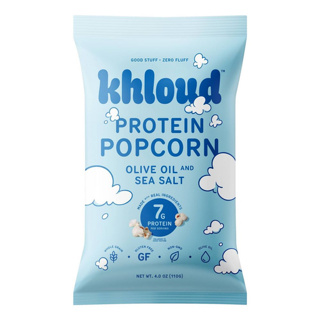
 Khloud Protein Popcorn Khloud · 1 oz · 18 pack View on Amazon · $49.50 See all Chips & Salty Snacks, ranked
At a glance
Summary
This product is heavily penalized due to its use of multiple industrial seed oils, including soybean and canola oil, which are associated with inflammation. It also contains artificial dyes and flavor enhancers like MSG, which are controversial for their potential health impacts. The high level of processing and presence of numerous additives further contribute to its low rating, placing it among the least healthy options in the snack category.
Key ingredients 19
Vegetable OilVery Bad
Vegetable oil, including palm, soybean, and canola oils, is high in omega-6 fatty acids which can promote inflammation. These oils are often highly processed and may contain trans fats. The use of multiple oils indicates a lack of quality control.
Risks
High omega-6 content may promote inflammation when consumed in excess.
Soybean OilVery Bad
Soybean oil is a seed oil high in omega-6 fatty acids, which can promote inflammation. It is often highly processed and may contain trans fats. Its use in processed foods is widespread due to its low cost.
Risks
High omega-6 content may promote inflammation when consumed in excess.
Blue 1 LakeVery Bad
Blue 1 Lake is an artificial color used to enhance the visual appeal of foods. It is a synthetic dye that has been linked to hyperactivity in children and other health concerns. Its use is controversial due to potential health risks.
Risks
May cause hyperactivity in children and other health concerns.
TBHQVery Bad
TBHQ is a synthetic antioxidant used to preserve processed foods. It is controversial due to potential health risks, including links to cancer and other health issues. Its use is primarily to extend shelf life, not for nutritional benefits.
Risks
Potential links to cancer and other health issues.
MaltodextrinBad
Maltodextrin is a highly processed carbohydrate used as a filler or thickener. It has a high glycemic index, which can spike blood sugar levels. It provides no nutritional benefits and is often used in processed foods.
Risks
May cause spikes in blood sugar levels and contribute to insulin resistance.
SugarBad
Sugar is a refined carbohydrate that can contribute to weight gain and metabolic issues. Excessive consumption is linked to various health problems, including diabetes and heart disease. It is often added to enhance flavor but provides no essential nutrients.
Risks
Excessive consumption can lead to obesity, diabetes, and heart disease.
Monosodium GlutamateBad
Monosodium glutamate (MSG) is a flavor enhancer that can cause adverse reactions in some individuals. It is often used in processed foods to enhance savory flavors. Some people report sensitivity to MSG, experiencing headaches or other symptoms.
Risks
May cause headaches or other symptoms in sensitive individuals.
Benefits
Enhances savory flavors but provides no nutritional benefits.
Hydrolyzed Soybean ProteinBad
Hydrolyzed soybean protein is a processed ingredient used to enhance flavor. It can contain MSG or similar compounds, which may cause adverse reactions in some people. It is a highly processed form of protein with limited nutritional benefits.
Risks
May cause adverse reactions similar to MSG in sensitive individuals.
Natural and Artificial FlavorsBad
Natural and artificial flavors are used to enhance taste but can contain a variety of chemical compounds. The lack of transparency in their composition can be concerning. They provide no nutritional benefits and are often used in processed foods.
Risks
Lack of transparency in composition may pose unknown health risks.
Disodium InosinateBad
Disodium inosinate is a flavor enhancer often used in conjunction with MSG. It is derived from nucleotides and can enhance savory flavors. Its use in processed foods is common, but it provides no nutritional benefits.
Risks
May cause adverse reactions in individuals sensitive to MSG.
Disodium GuanylateBad
Disodium guanylate is a flavor enhancer used to intensify savory flavors. It is often used with MSG and can cause adverse reactions in sensitive individuals. It is a processed ingredient with no nutritional benefits.
Risks
May cause adverse reactions in individuals sensitive to MSG.
Corn FlourNeutral
Corn flour is a basic ingredient used to make tortilla chips. It is processed with lime, which can enhance the nutritional profile by increasing calcium content. However, it lacks significant nutritional benefits beyond being a carbohydrate source.
Benefits
Provides carbohydrates for energy but lacks other significant nutritional benefits.
Citric AcidNeutral
Citric acid is a natural preservative and flavor enhancer. It is commonly used in food products to add a sour taste. It is generally recognized as safe when consumed in typical amounts.
Benefits
Helps preserve food and enhance flavor without significant nutritional benefits.
Potassium ChlorideNeutral
Potassium chloride is used as a salt substitute to reduce sodium content. It can help maintain electrolyte balance in the body. However, excessive intake can lead to hyperkalemia, especially in individuals with kidney issues.
Risks
Excessive intake may lead to hyperkalemia, particularly in those with kidney problems.
Benefits
Helps maintain electrolyte balance and can reduce sodium intake.
SaltNeutral
Salt is used to enhance flavor and preserve food. It is a necessary nutrient but should be consumed in moderation. Excessive intake can lead to high blood pressure and other health issues.
Risks
Excessive consumption can lead to high blood pressure and cardiovascular issues.
Benefits
Essential for maintaining fluid balance and nerve function.
Hydrolyzed YeastNeutral
Hydrolyzed yeast is used as a flavor enhancer in processed foods. It can contain naturally occurring glutamates, which enhance savory flavors. It is generally recognized as safe but provides no significant nutritional benefits.
Benefits
Enhances savory flavors but provides no significant nutritional benefits.
Onion PowderNeutral
Onion powder is used to add flavor to foods. It is a dehydrated form of onion and retains some of the original flavor compounds. It provides minimal nutritional benefits but is generally recognized as safe.
Benefits
Adds flavor without significant nutritional benefits.
Sodium BicarbonateNeutral
Sodium bicarbonate is a leavening agent used in baking and cooking. It helps dough rise and can neutralize acidity. It is generally recognized as safe and has no significant health risks when used in typical amounts.
Benefits
Helps dough rise and neutralizes acidity in recipes.
Chili PepperGood
Chili pepper adds heat and flavor to foods and contains capsaicin, which may have health benefits. Capsaicin is known for its potential to boost metabolism and reduce inflammation. It is a natural ingredient with some nutritional benefits.
Risks
May cause irritation or discomfort in sensitive individuals.
Benefits
Contains capsaicin, which may boost metabolism and reduce inflammation.
Processing
Ultra-Processed Foods
Get the full breakdown in the Scout appTake Scout shopping
Scan any product to see lab results, healthy alternatives, and your personalized analysis.
Are you Takis? Fix an error Get the badge Get tested
Amazon pricing & content
Amazon price for Khloud Protein Popcorn as of . Product prices and availability are accurate as of the date/time indicated and are subject to change. Any price and availability information displayed on Amazon.com at the time of purchase will apply to the purchase of this product.
CERTAIN CONTENT THAT APPEARS ON THIS SITE COMES FROM AMAZON. THIS CONTENT IS PROVIDED “AS IS” AND IS SUBJECT TO CHANGE OR REMOVAL AT ANY TIME.