

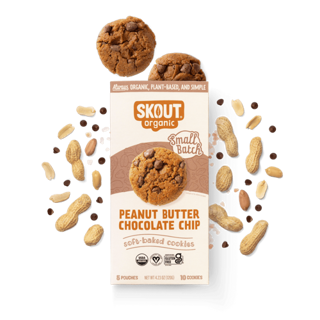
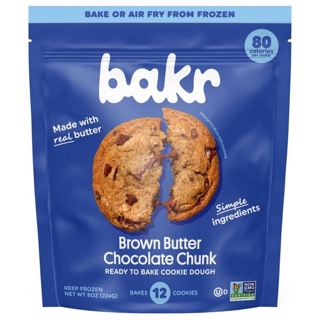
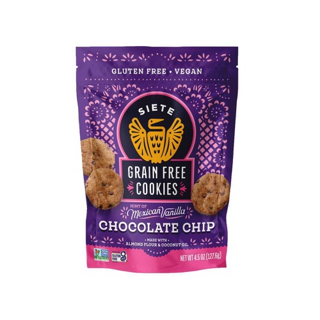


Tate's Bake Shop Soft Baked Double Chocolate Chip Cookies
At a glance
Summary
This product is heavily processed, containing refined flour and multiple forms of added sugars, which contribute to its high calorie content. The presence of palm oil and natural flavors further detracts from its health profile, as these ingredients are associated with environmental and transparency concerns. Despite some beneficial ingredients like cocoa and eggs, the overall processing level and ingredient quality place it in the lower range for healthiness.
Key ingredients 13
Unbleached Enriched FlourBad
Processed additive flagged under Scout's ingredient doctrine.
Risks
May contribute to blood sugar spikes and lacks the fiber found in whole grains.
Benefits
Provides essential vitamins and minerals such as iron and B vitamins due to enrichment.
Invert SugarBad
Invert sugar is a liquid sweetener made by splitting sucrose into glucose and fructose. It is used to retain moisture and improve texture in baked goods. However, it is a refined sugar that can contribute to excessive calorie intake.
Risks
May contribute to obesity and dental cavities due to high sugar content.
Palm OilBad
Palm oil is a widely used vegetable oil that is high in saturated fats. It is often criticized for its environmental impact due to deforestation. The refining process can strip away beneficial nutrients.
Risks
High saturated fat content may increase cholesterol levels and contribute to heart disease.
Benefits
Provides a stable fat for cooking and baking due to its high melting point.
Natural FlavorBad
Natural flavors are additives used to enhance taste, derived from natural sources but highly processed. They can contain multiple compounds, making it difficult to assess their health impact. The lack of transparency in their composition is a concern.
Risks
Potential allergen and lack of transparency in ingredient composition.
Semi-Sweet Chocolate ChipsNeutral
Semi-sweet chocolate chips contain sugar and cocoa, providing a balance of sweetness and chocolate flavor. They are processed with added sugar and emulsifiers like soy lecithin. The cocoa content offers some antioxidants, but the sugar content is high.
Risks
High sugar content can contribute to increased calorie intake and potential weight gain.
Benefits
Contains cocoa, which provides antioxidants that may have health benefits.
Vegetable GlycerinNeutral
Vegetable glycerin is a sugar alcohol used as a humectant to retain moisture in foods. It is derived from plant oils and is generally recognized as safe. It has a low glycemic index, making it a suitable sweetener for diabetics.
Risks
Excessive consumption may cause digestive discomfort.
Benefits
Helps retain moisture in baked goods and has a low glycemic index.
SaltNeutral
Salt is used to enhance flavor and preserve food. It is a necessary nutrient but should be consumed in moderation. Excessive intake can lead to hypertension.
Risks
High sodium intake can contribute to high blood pressure and cardiovascular issues.
Benefits
Essential for maintaining fluid balance and nerve function.
WheyNeutral
Liquid whey as a minor dairy ingredient — benign.
Risks
Potential allergen for those with dairy sensitivities.
Benefits
Excellent source of protein that supports muscle health and recovery.
Baking SodaNeutral
Baking soda is a leavening agent used to help baked goods rise. It is a simple chemical compound with no significant health impact. It reacts with acidic ingredients to produce carbon dioxide gas.
Benefits
Essential for leavening in baking, providing texture and volume.
CornstarchNeutral
Cornstarch is a refined carbohydrate used as a thickening agent. It is derived from corn and is gluten-free. It provides no significant nutritional value but is useful in food preparation.
Benefits
Useful as a thickening agent in cooking and baking.
ButterGood
Butter is a natural fat made from cream, providing a rich flavor and texture. It contains fat-soluble vitamins like A, D, and E. When sourced from grass-fed cows, it offers higher levels of omega-3 fatty acids and CLA.
Risks
High in saturated fat, which should be consumed in moderation to avoid cardiovascular risks.
Benefits
Rich in fat-soluble vitamins and provides a natural source of healthy fats when grass-fed.
EggsGood
Eggs are a high-quality protein source containing essential amino acids. They provide important nutrients like choline, which supports brain health. Eggs from pasture-raised hens offer higher omega-3 content.
Risks
Potential allergen for some individuals, but generally safe for most people.
Benefits
Excellent source of protein and essential nutrients like choline and vitamin D.
CocoaGood
Cocoa is rich in flavonoids, which are antioxidants that may improve heart health. It provides a deep chocolate flavor and is minimally processed. The alkali processing can reduce some beneficial compounds but enhances flavor.
Benefits
Rich in antioxidants that support cardiovascular health and provide anti-inflammatory benefits.
Processing
Ultra-Processed Foods
Get the full breakdown in the Scout appTake Scout shopping
Scan any product to see lab results, healthy alternatives, and your personalized analysis.
Download on theApp Store GET IT ONGoogle PlayAmazon pricing & content
Amazon price as of . Product prices and availability are accurate as of the date/time indicated and are subject to change. Any price and availability information displayed on Amazon.com at the time of purchase will apply to the purchase of this product.
CERTAIN CONTENT THAT APPEARS ON THIS SITE COMES FROM AMAZON. THIS CONTENT IS PROVIDED “AS IS” AND IS SUBJECT TO CHANGE OR REMOVAL AT ANY TIME.