
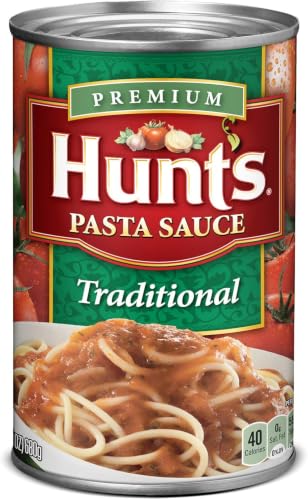


HUNTS Simply Traditional Pasta Sauce, 68 OZ
Analysis updated May 2026 · How Scout scores
At a glance
Summary
This pasta sauce contains beneficial ingredients like tomato puree, diced tomatoes, and onions, which provide vitamins and antioxidants. However, it is processed and includes added sugar, which can contribute to increased calorie intake without essential nutrients. The presence of citric acid as an additive is minimal, but the overall processing level limits its score potential.
Key ingredients 12
Tomato pureeGood
Tomato puree is a concentrated form of tomatoes, providing a rich source of vitamins and antioxidants. It is minimally processed, retaining most of the nutritional benefits of fresh tomatoes. The puree is often used as a base in sauces, enhancing flavor and nutritional content.
Benefits
Rich in lycopene, an antioxidant that may reduce the risk of certain diseases. Provides vitamins A and C, supporting immune function and skin health.
Diced tomatoes with juiceGood
Diced tomatoes with juice are a convenient way to add fresh tomato flavor and nutrients to dishes. They are typically canned shortly after harvesting, preserving their nutritional value. This ingredient contributes to the sauce's texture and flavor profile.
Benefits
Contains lycopene and vitamin C, which are beneficial for heart health and immune support. Provides dietary fiber, aiding in digestion.
OnionsGood
Onions are a flavorful vegetable that adds depth and aroma to dishes. They are rich in antioxidants and have anti-inflammatory properties. Onions are often used in cooking for their ability to enhance the taste of other ingredients.
Benefits
Contains quercetin, an antioxidant that may reduce inflammation and support heart health. Provides vitamin C and fiber, contributing to overall health.
Garlic powderGood
Concentrated whole-food seasoning.
Benefits
Adds flavor and some antioxidant properties, though less potent than fresh garlic.
ParsleyGood
Beneficial ingredient — whole-food or functional value in this product class.
Benefits
Contains small amounts of vitamins and antioxidants, but not in significant quantities due to its use as a seasoning.
BasilNeutral
Basil is a herb that adds a fresh, aromatic flavor to dishes. It is used in small quantities, primarily for its flavor rather than nutritional content. Basil is often included in sauces to enhance taste.
Benefits
Contains small amounts of vitamins and antioxidants, but not in significant quantities due to its use as a seasoning.
Dried garlicNeutral
Dried garlic is used to impart a strong, pungent flavor to dishes. It is a convenient alternative to fresh garlic, retaining much of its flavor. The drying process concentrates the flavor but may reduce some of the nutritional content.
Benefits
Provides flavor and some antioxidant properties, though less than fresh garlic.
SaltNeutral
Salt is used to enhance flavor and preserve the product. It is a common ingredient in processed foods, contributing to taste and shelf life. While necessary in small amounts, excessive salt intake can be harmful.
Risks
High sodium intake can lead to increased blood pressure and cardiovascular issues.
Benefits
Essential for maintaining fluid balance and nerve function, but should be consumed in moderation.
Citric acidNeutral
Citric acid is a natural preservative and flavor enhancer found in citrus fruits. It is used to maintain acidity and freshness in food products. As a common additive, it is generally recognized as safe.
Benefits
Helps preserve the color and flavor of foods, extending shelf life.
Onion powderNeutral
Onion powder is made from dehydrated onions, offering a convenient way to add onion flavor to dishes. It is used in small amounts, primarily for seasoning. The drying process concentrates the flavor but may reduce some nutritional content.
Benefits
Provides flavor and some antioxidant properties, though less than fresh onions.
SpiceNeutral
The term 'spice' refers to a blend of various spices used to enhance flavor. The specific spices are not listed, making it difficult to assess their individual impacts. Generally, spices are used in small amounts for flavoring.
Benefits
Spices can provide flavor and some antioxidant properties, depending on the specific spices used.
SugarBad
Sugar is added to enhance the sweetness and balance the acidity of tomatoes. However, refined sugar can contribute to increased calorie intake without providing essential nutrients. Excessive consumption of sugar is linked to various health issues.
Risks
High intake of refined sugar can lead to weight gain, increased risk of type 2 diabetes, and dental problems.
Processing
Processed Foods
Get the full breakdown in the Scout appTake Scout shopping
Scan any product to see lab results, healthy alternatives, and your personalized analysis.
Download on theApp Store GET IT ONGoogle PlayAmazon pricing & content
Amazon price as of . Product prices and availability are accurate as of the date/time indicated and are subject to change. Any price and availability information displayed on Amazon.com at the time of purchase will apply to the purchase of this product.
CERTAIN CONTENT THAT APPEARS ON THIS SITE COMES FROM AMAZON. THIS CONTENT IS PROVIDED “AS IS” AND IS SUBJECT TO CHANGE OR REMOVAL AT ANY TIME.