
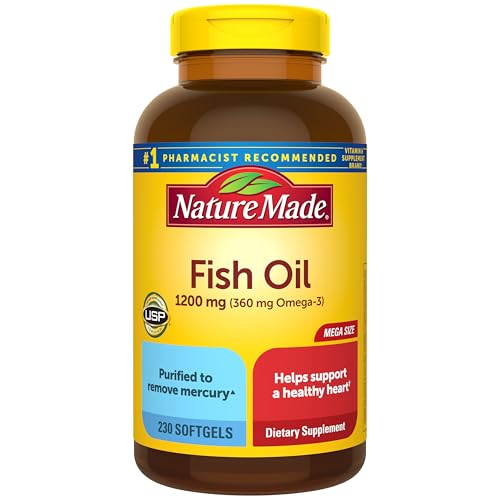


Nature Made Fish Oil 1200 Mg
Analysis updated August 2026 · How Scout scores
At a glance
Summary
This fish oil supplement contains beneficial tocopherols, which are antioxidants, but also includes synthetic additives like polysorbate 80 and propylene glycol, which can cause allergic reactions and have potential health concerns. The presence of multiple additives and synthetic compounds contributes to a moderate processing level, impacting the overall score despite the beneficial ingredient.
Key ingredients 8
TocopherolsGood
Tocopherols are a form of vitamin E, an antioxidant that helps protect cells from oxidative damage. They are naturally found in many foods and are beneficial for maintaining skin and eye health. Tocopherols also support immune function and have anti-inflammatory properties.
Benefits
Rich in antioxidants that protect cells and support overall health.
GelatinNeutral
Gelatin is used as a gelling agent and is derived from animal collagen. It is generally considered safe and is commonly used in capsules. There are no significant health concerns associated with its consumption in moderate amounts.
Benefits
Gelatin can aid in digestion and joint health due to its collagen content.
GlycerinNeutral
Glycerin is a humectant that helps maintain moisture in products. It is generally recognized as safe and is used in many food and pharmaceutical products. It is derived from plant or animal sources and is well-tolerated by most individuals.
Benefits
Glycerin can help maintain moisture and improve the texture of products.
Methacrylic Acid CopolymerNeutral
Methacrylic acid copolymer is used as an enteric coating to protect active ingredients from stomach acid. It is considered safe for use in pharmaceuticals and supplements. The polymer ensures the release of active ingredients in the intestine rather than the stomach.
Benefits
Provides controlled release of active ingredients, enhancing their effectiveness.
Triethyl CitrateNeutral
Triethyl citrate is used as a plasticizer and stabilizer in food and pharmaceutical products. It is derived from citric acid and is considered safe for consumption. It helps improve the flexibility and durability of coatings.
Benefits
Enhances the stability and flexibility of product formulations.
Glyceryl MonostearateNeutral
Glyceryl monostearate is an emulsifier and thickening agent used in food and supplements. It is generally recognized as safe and helps maintain product consistency. It is derived from glycerol and stearic acid, both of which are naturally occurring substances.
Benefits
Helps maintain consistency and improve texture in products.
Polysorbate 80Bad
Polysorbate 80 is an emulsifier used to improve texture and stability in products. It is a synthetic compound that can cause allergic reactions in some individuals. Concerns exist regarding its potential to alter gut microbiota and increase intestinal permeability.
Risks
May cause allergic reactions and potentially alter gut microbiota.
Benefits
Improves texture and stability of emulsions in products.
Propylene GlycolBad
Propylene glycol is a synthetic compound used as a solvent and preservative. It can cause allergic reactions and skin irritation in sensitive individuals. There are concerns about its potential toxicity at high doses, although it is generally considered safe in small amounts.
Risks
May cause allergic reactions and skin irritation; potential toxicity at high doses.
Processing
Ultra-Processed Foods
Get the full breakdown in the Scout appTake Scout shopping
Scan any product to see lab results, healthy alternatives, and your personalized analysis.
Download on theApp Store GET IT ONGoogle PlayAmazon pricing & content
Amazon price as of . Product prices and availability are accurate as of the date/time indicated and are subject to change. Any price and availability information displayed on Amazon.com at the time of purchase will apply to the purchase of this product.
CERTAIN CONTENT THAT APPEARS ON THIS SITE COMES FROM AMAZON. THIS CONTENT IS PROVIDED “AS IS” AND IS SUBJECT TO CHANGE OR REMOVAL AT ANY TIME.