



At a glance
Summary
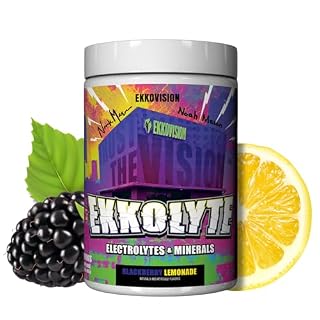
This product contains beneficial ingredients like coconut water concentrate and essential vitamins, which support hydration and overall health. However, the presence of added sugars and the use of natural flavors without transparency detract from its healthfulness. While it avoids artificial dyes and sweeteners, the added sugar content and processing level prevent it from achieving a higher score.
Key ingredients 17
Coconut Water ConcentrateGood
Coconut water concentrate is a natural source of electrolytes, particularly potassium, which supports hydration and muscle function. It is minimally processed and retains many of the beneficial nutrients found in fresh coconut water. It is a healthier alternative to artificial electrolyte sources.
Benefits
Rich in electrolytes like potassium, supporting hydration and muscle function.
Ascorbic AcidGood
Ascorbic acid, also known as vitamin C, is an essential nutrient that supports immune function and acts as an antioxidant. It is added to enhance the nutritional value of the product. It helps protect cells from oxidative damage.
Benefits
Supports immune function and acts as an antioxidant.
Magnesium OxideGood
Magnesium oxide is an electrolyte that supports muscle and nerve function. It is a common supplement to help maintain adequate magnesium levels in the body. It is beneficial for athletes and individuals with increased magnesium needs.
Risks
Excessive intake may cause digestive issues.
Benefits
Supports muscle and nerve function.
Calcium D-PantothenateGood
Calcium D-pantothenate is a form of vitamin B5, essential for energy metabolism and the synthesis of coenzyme A. It is added to support metabolic functions and enhance the nutritional profile of the product. It plays a role in the synthesis of fatty acids and hormones.
Benefits
Supports energy metabolism and synthesis of coenzyme A.
NiacinamideGood
Niacinamide, or vitamin B3, is important for energy production and DNA repair. It is included to support overall health and enhance the product's nutritional value. It helps convert nutrients into energy and supports skin health.
Benefits
Supports energy production and DNA repair.
Alpha-Tocopheryl AcetateGood
Alpha-tocopheryl acetate is a form of vitamin E, an antioxidant that protects cells from oxidative damage. It is added to enhance the product's nutritional profile and support skin and immune health. It helps maintain healthy skin and eyes.
Benefits
Acts as an antioxidant and supports skin and immune health.
Zinc OxideGood
Zinc oxide is an essential mineral that supports immune function and wound healing. It is included to enhance the nutritional value of the product. It plays a role in DNA synthesis and cell division.
Risks
Excessive intake may lead to zinc toxicity.
Benefits
Supports immune function and wound healing.
Pyridoxine HydrochlorideGood
Pyridoxine hydrochloride is a form of vitamin B6, important for protein metabolism and cognitive development. It is added to support metabolic functions and enhance the product's nutritional profile. It aids in the production of neurotransmitters and hemoglobin.
Benefits
Supports protein metabolism and cognitive development.
CyanocobalaminGood
Cyanocobalamin is a form of vitamin B12, essential for nerve function and red blood cell formation. It is added to support metabolic functions and enhance the product's nutritional profile. It is crucial for maintaining healthy nerve cells and preventing anemia.
Benefits
Supports nerve function and red blood cell formation.
Filtered WaterNeutral
Filtered water is a neutral ingredient that serves as the base for the beverage. It is essential for hydration but does not provide additional nutritional benefits. The filtration process ensures the removal of impurities.
See more about Filtered Water →Citric AcidNeutral
Citric acid is used as a preservative and flavor enhancer in beverages. It is naturally found in citrus fruits and is generally recognized as safe. It helps maintain the product's freshness and enhances its taste.
Risks
Excessive consumption may cause tooth enamel erosion.
Benefits
Helps preserve the product and enhance flavor.
Dipotassium PhosphateNeutral
Dipotassium phosphate is an electrolyte that helps maintain fluid balance and supports muscle function. It is commonly used in sports drinks to replenish electrolytes lost during exercise. It is generally recognized as safe when consumed in moderation.
Risks
Excessive intake may lead to imbalances in mineral levels.
Benefits
Supports fluid balance and muscle function.
Vegetable Juice ConcentrateNeutral
Vegetable juice concentrate is used for natural coloring in beverages. It is derived from vegetables and provides a natural alternative to artificial dyes. It does not significantly contribute to the nutritional profile of the product.
Benefits
Provides natural coloring without artificial additives.
Vitamin A PalmitateNeutral
Standard formulation ingredient — neither beneficial nor harmful at typical use.
Risks
Excessive intake may lead to vitamin A toxicity.
Benefits
Supports vision and immune function.
Folic AcidNeutral
Standard formulation ingredient — neither beneficial nor harmful at typical use.
Benefits
Supports DNA synthesis and cell division.
Pure Cane SugarBad
Pure cane sugar is a source of added sugars, which can contribute to excessive calorie intake and potential weight gain. High consumption of added sugars is linked to increased risk of chronic diseases such as type 2 diabetes and heart disease. It provides quick energy but lacks essential nutrients.
Risks
High intake of added sugars can lead to obesity, insulin resistance, and increased risk of metabolic disorders.
Benefits
Provides a quick source of energy but lacks essential nutrients.
Natural Berry Flavor With Other Natural FlavorsBad
Natural flavors are often used to enhance taste but can be a catch-all term for various additives. The lack of transparency in what constitutes 'natural flavors' can be concerning for consumers seeking clean labels. They do not provide nutritional benefits and may include processed ingredients.
Risks
Potential for undisclosed additives and allergens.
Benefits
Enhances flavor without artificial additives.
Processing
Ultra-Processed Foods
Get the full breakdown in the Scout appTake Scout shopping
Scan any product to see lab results, healthy alternatives, and your personalized analysis.
Download on theApp Store GET IT ONGoogle Play