


At a glance
Summary
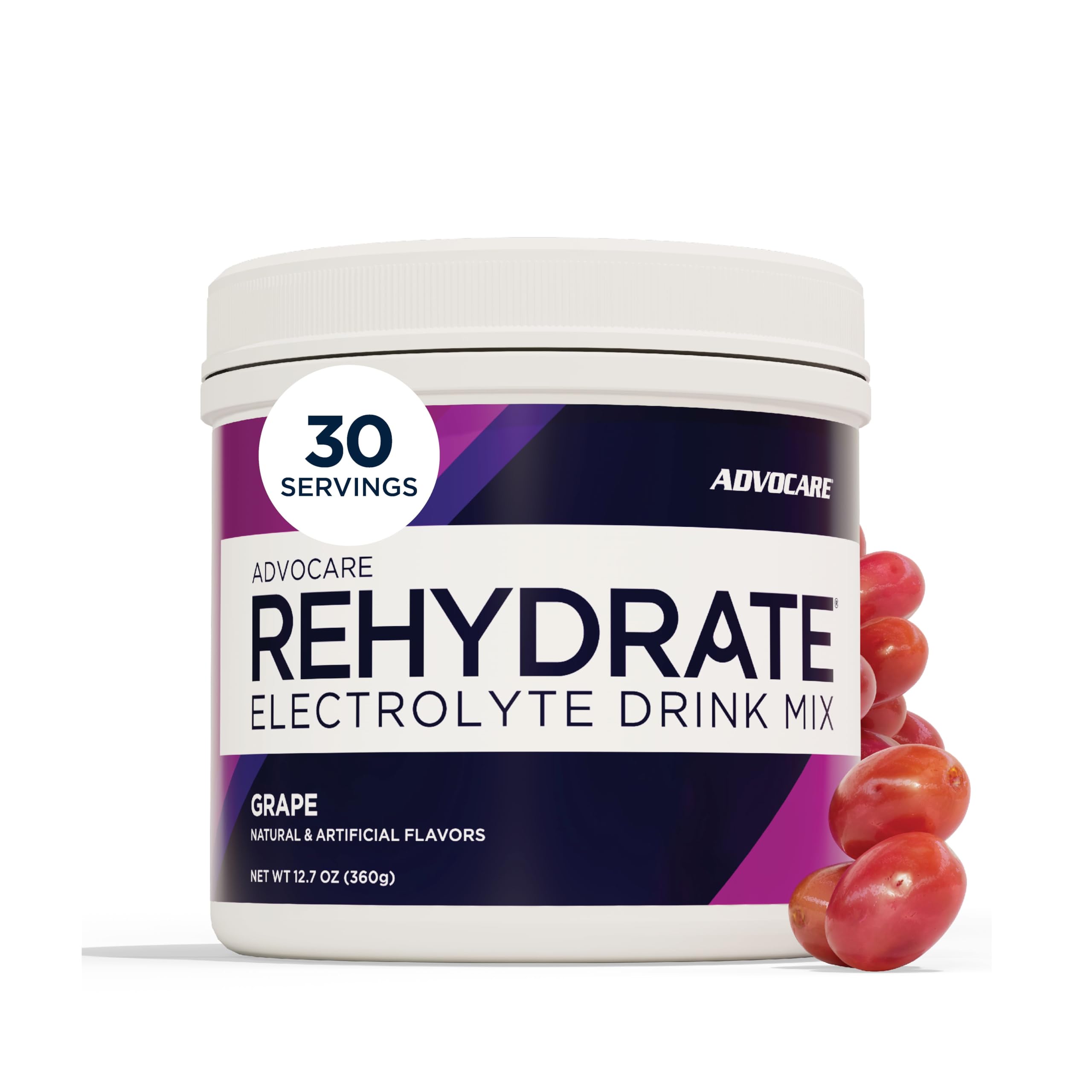
This electrolyte product contains beneficial ingredients like sea salt, potassium citrate, and magnesium carbonates, which are essential for hydration and muscle function. However, the presence of sugar and artificial sweetener sucralose, along with preservatives like sodium benzoate, raises concerns about potential health impacts. The use of natural flavors also adds to the lack of transparency in the ingredient list, affecting the overall formulation quality.
Key ingredients 14
Sea SaltGood
Sea salt is a good source of essential electrolytes like sodium and chloride. It is less processed than table salt and may contain trace minerals. It helps in maintaining fluid balance and nerve function.
Risks
Excessive intake can lead to high blood pressure and cardiovascular issues.
Benefits
Provides essential electrolytes that support hydration and muscle function.
Potassium CitrateGood
Potassium citrate is beneficial as it provides potassium, an essential mineral for heart and muscle function. It helps in maintaining acid-base balance in the body. It is often used to prevent kidney stones.
Risks
High doses may cause gastrointestinal discomfort.
Benefits
Supports cardiovascular health and helps prevent kidney stones.
Magnesium CarbonatesGood
Magnesium carbonates provide magnesium, which is crucial for muscle and nerve function. It is used as an antacid and laxative. Magnesium is essential for over 300 biochemical reactions in the body.
Risks
Excessive intake can lead to diarrhea and abdominal cramping.
Benefits
Supports muscle and nerve function and helps maintain bone health.
Ascorbic AcidGood
Vitamin C — beneficial even when serving as a preservative.
Benefits
Supports immune function and acts as an antioxidant.
NiacinGood
Niacin, or vitamin B3, is essential for converting food into energy. It supports skin health and nervous system function. It is often added to foods to prevent deficiencies.
Risks
High doses can cause skin flushing and liver damage.
Benefits
Supports energy metabolism and cardiovascular health.
Beta CaroteneGood
Beta carotene is a precursor to vitamin A and acts as an antioxidant. It is used as a natural colorant and supports vision and immune health. It is found in many fruits and vegetables.
Risks
Excessive intake may lead to carotenemia, a harmless condition causing yellowing of the skin.
Benefits
Supports vision and immune function as a source of vitamin A.
Vitamin B6Good
Vitamin B6 is crucial for protein metabolism and cognitive development. It supports immune function and the production of neurotransmitters. It is often added to foods to enhance nutritional value.
Risks
High doses can cause nerve damage.
Benefits
Supports brain health and energy metabolism.
Natural Mineral WaterNeutral
Natural mineral water is a neutral ingredient providing hydration. It is typically free from contaminants and provides a base for the beverage. No significant health impacts are associated with its consumption.
Benefits
Provides essential hydration and may contain trace minerals beneficial for health.
Citric AcidNeutral
Citric acid is used as a flavoring and preservative agent. It is naturally found in citrus fruits and is generally recognized as safe. It helps in enhancing flavor and preserving the product.
Risks
Excessive consumption may lead to dental erosion.
Benefits
Acts as a natural preservative and enhances flavor.
SugarBad
Sugar is classified as bad due to its high caloric content and potential to contribute to obesity and metabolic disorders. It is a simple carbohydrate that can lead to rapid spikes in blood sugar levels. Excessive consumption is linked to various health issues including diabetes and heart disease.
Risks
High sugar intake is associated with increased risk of obesity, type 2 diabetes, and cardiovascular diseases.
Benefits
Provides quick energy but lacks essential nutrients.
Potassium SorbateBad
Synthetic preservative — flagged in daily-use products.
Risks
May cause allergic reactions in sensitive individuals.
Benefits
Effectively preserves food by preventing spoilage.
Sodium BenzoateBad
Sodium benzoate is a preservative that can form benzene, a carcinogen, under certain conditions. It is used to prevent microbial growth in acidic foods. Concerns exist about its potential to cause hyperactivity in children.
Risks
Potential to form benzene, a known carcinogen, especially when combined with vitamin C.
Benefits
Prevents spoilage and extends shelf life of acidic foods.
Natural FlavorsBad
Natural flavors are often criticized for being a catch-all term that lacks transparency. They can contain a variety of chemical compounds. The lack of specificity makes it difficult to assess their health impact.
Risks
Potential for undisclosed allergens and additives.
Benefits
Enhances flavor without adding calories.
SucraloseBad
Sucralose is an artificial sweetener that is much sweeter than sugar. It is used to reduce calorie content but may alter gut microbiota. Concerns exist about its long-term health effects.
Risks
May affect gut health and insulin response.
Benefits
Provides sweetness without calories.
Processing
Processed Foods
Get the full breakdown in the Scout appTake Scout shopping
Scan any product to see lab results, healthy alternatives, and your personalized analysis.
Download on theApp Store GET IT ONGoogle Play