
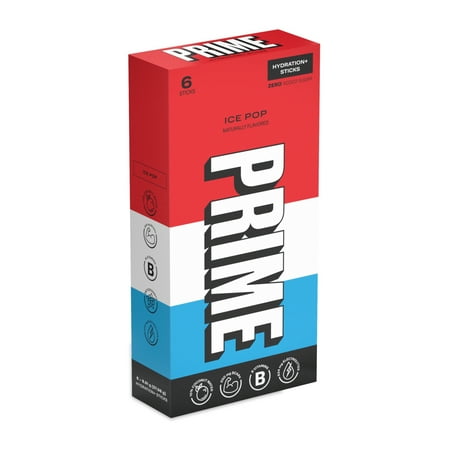



Prime Hydration Stick Pack Ice Pop 9.49g 6 Count
Analysis updated July 2026 · How Scout scores
At a glance
Summary
This electrolyte supplement contains beneficial ingredients like coconut water concentrate and bioavailable forms of magnesium and vitamins, which support hydration and overall health. However, the presence of artificial sweeteners such as sucralose and acesulfame potassium, along with the use of natural flavors, detracts from its overall quality. The product is moderately processed, which is typical for supplements, but the artificial additives and sweeteners are notable concerns.
Key ingredients 16
Coconut Water From ConcentrateGood
Coconut water from concentrate provides natural electrolytes like potassium, which are beneficial for hydration. It is a natural source of nutrients and is minimally processed compared to artificial alternatives. This ingredient supports hydration and electrolyte balance.
Benefits
Rich in natural electrolytes, particularly potassium, which supports hydration and muscle function.
Magnesium CitrateGood
Magnesium citrate is a bioavailable form of magnesium, which is crucial for muscle and nerve function. It is a beneficial ingredient in supplements for supporting overall health. This form of magnesium is well-absorbed by the body.
Risks
Excessive consumption may lead to digestive issues such as diarrhea.
Benefits
Supports muscle and nerve function and helps maintain normal blood pressure.
Ascorbic Acid (Vitamin C)Good
Ascorbic acid, or vitamin C, is an essential nutrient that supports immune function and acts as an antioxidant. It is a beneficial addition to supplements for its role in collagen synthesis and immune support. Vitamin C is water-soluble and generally safe in recommended amounts.
Benefits
Supports immune function and acts as an antioxidant, protecting cells from damage.
L-IsoleucineGood
L-Isoleucine is an essential amino acid important for muscle repair and energy production. It is beneficial in supplements for athletes and active individuals. This amino acid supports muscle recovery and endurance.
Benefits
Supports muscle repair and energy production, beneficial for athletes.
L-LeucineGood
L-Leucine is a branched-chain amino acid that plays a critical role in muscle protein synthesis. It is a key ingredient for muscle growth and recovery in active individuals. This amino acid is essential for maintaining muscle mass.
Benefits
Promotes muscle protein synthesis and supports muscle growth and recovery.
Sea SaltGood
Beneficial ingredient — whole-food or functional value in this product class.
Risks
Excessive sodium intake can lead to high blood pressure and cardiovascular issues.
Benefits
Provides essential sodium for hydration and nerve function.
Alpha Tocopheryl Acetate (Vitamin E)Good
Alpha tocopheryl acetate is a form of vitamin E, an antioxidant that helps protect cells from oxidative damage. It is beneficial for skin health and immune function. This form of vitamin E is stable and commonly used in supplements.
Benefits
Acts as an antioxidant and supports skin and immune health.
Retinyl Palmitate (Vitamin A)Good
Retinyl palmitate is a form of vitamin A that supports vision, immune function, and skin health. It is a beneficial addition to supplements for its role in maintaining healthy vision and skin. This form of vitamin A is well-absorbed and effective.
Risks
Excessive intake can lead to hypervitaminosis A, a condition of vitamin A toxicity.
Benefits
Supports vision, immune function, and skin health.
Pyridoxine Hydrochloride (Vitamin B6)Good
Pyridoxine hydrochloride is a form of vitamin B6, essential for protein metabolism and cognitive development. It is beneficial for energy production and neurotransmitter synthesis. This vitamin is crucial for brain health and energy metabolism.
Benefits
Supports protein metabolism and cognitive development.
Cyanocobalamin (Vitamin B12)Good
Cyanocobalamin is a form of vitamin B12, essential for red blood cell formation and neurological function. It is a beneficial ingredient in supplements for supporting energy levels and nerve health. This form of vitamin B12 is commonly used and effective.
Benefits
Supports red blood cell formation and neurological function.
Citric AcidNeutral
Citric acid is commonly used as a preservative and flavor enhancer in food products. It is naturally found in citrus fruits and is generally recognized as safe. However, excessive consumption may lead to dental erosion.
Risks
Excessive consumption may lead to dental erosion and stomach upset.
Dipotassium PhosphateNeutral
Dipotassium phosphate is used as an electrolyte and stabilizer in food products. It helps maintain pH balance and provides potassium, an essential mineral. However, it is a synthetic additive and should be consumed in moderation.
Risks
Excessive intake may lead to imbalances in mineral levels.
Benefits
Provides potassium, which is essential for muscle function and hydration.
CaffeineNeutral
Caffeine is a natural stimulant that can enhance alertness and performance. It is commonly used in supplements for its ergogenic effects. However, excessive consumption can lead to negative side effects such as jitteriness and insomnia.
Risks
Excessive intake can lead to jitteriness, insomnia, and increased heart rate.
Benefits
Enhances alertness and physical performance.
Natural FlavorBad
Natural flavors are often used to enhance taste but can be a catch-all term for a variety of chemical compounds. The lack of transparency in what constitutes 'natural flavor' can be concerning for consumers. It does not provide any nutritional benefits.
Risks
Potential allergenicity and lack of transparency in ingredient composition.
SucraloseBad
Sucralose is an artificial sweetener used to provide sweetness without calories. It is highly processed and may affect gut health negatively. Long-term effects of artificial sweeteners are still under study.
Risks
Potential negative impact on gut microbiota and possible metabolic effects.
Benefits
Provides sweetness without adding calories, which can be beneficial for weight management.
Acesulfame PotassiumBad
Acesulfame potassium is an artificial sweetener used to provide sweetness without calories. It is highly processed and may have potential health concerns. Long-term effects of artificial sweeteners are still under study.
Risks
Potential negative impact on metabolic health and gut microbiota.
Benefits
Provides sweetness without adding calories, which can be beneficial for weight management.
Processing
Ultra-Processed Foods
Get the full breakdown in the Scout appTake Scout shopping
Scan any product to see lab results, healthy alternatives, and your personalized analysis.
Download on theApp Store GET IT ONGoogle PlayAmazon pricing & content
Amazon price as of . Product prices and availability are accurate as of the date/time indicated and are subject to change. Any price and availability information displayed on Amazon.com at the time of purchase will apply to the purchase of this product.
CERTAIN CONTENT THAT APPEARS ON THIS SITE COMES FROM AMAZON. THIS CONTENT IS PROVIDED “AS IS” AND IS SUBJECT TO CHANGE OR REMOVAL AT ANY TIME.