


Multigrain Bread
Near you
Trader Joe's is carried at Trader Joe stores. Find one within 25 miles.
Summary
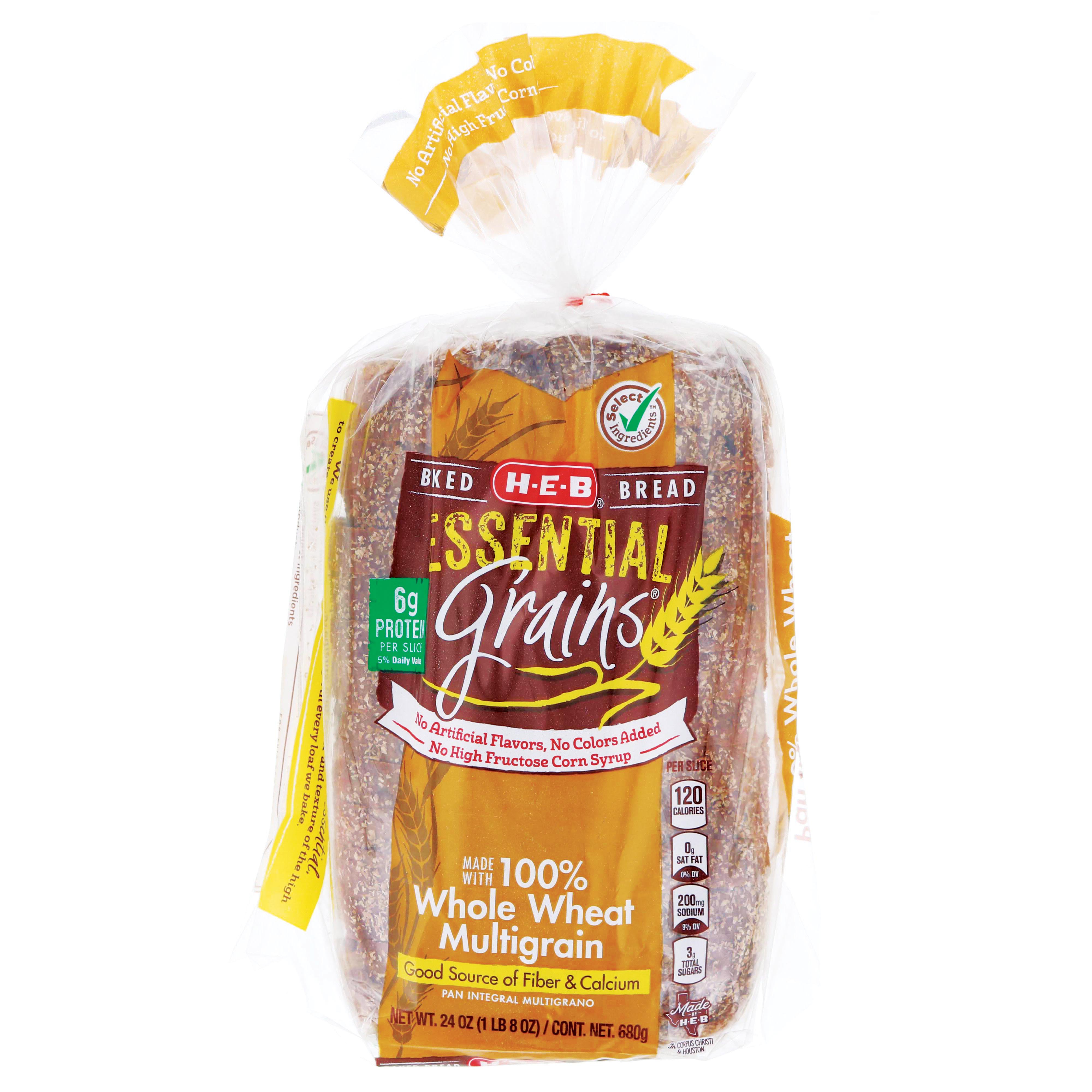
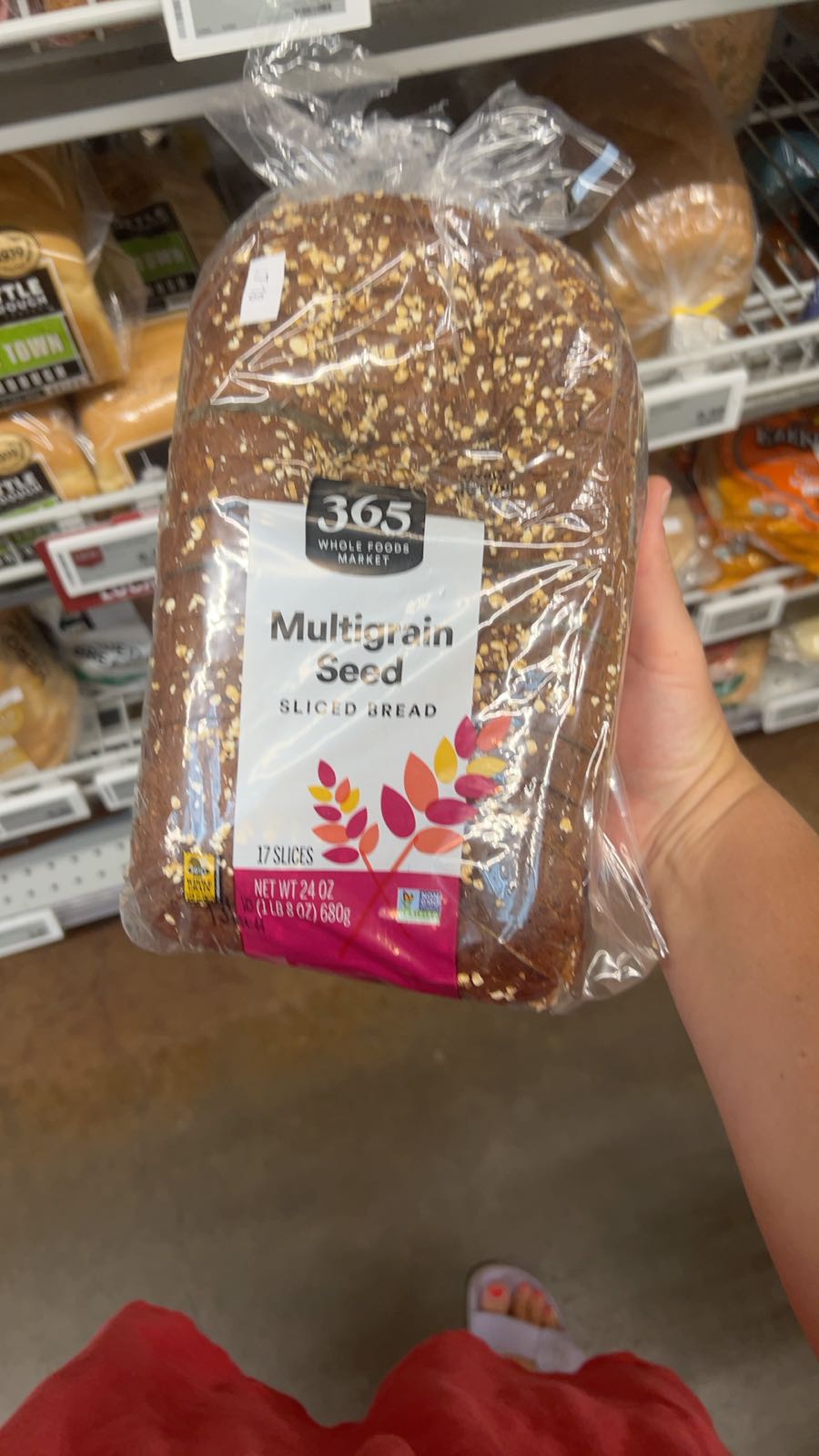
This multigrain bread contains several beneficial whole grain ingredients like whole wheat flour, bulgur, and rolled oats, which contribute to its nutritional value. However, the presence of highly processed seed oils such as sunflower and canola oil, along with its ultra-processed nature, significantly impacts its healthiness. The bread's processing level and inclusion of these oils limit its overall score despite the presence of nutritious components.
At a glance
Key ingredients 23
High gluten unbleached wheat flourNeutral
High gluten unbleached wheat flour provides structure and elasticity to bread. It is not bleached, preserving more of the natural nutrients. However, it is a refined flour and lacks the fiber and nutrients found in whole grains.
Risks
May cause digestive issues for those with gluten intolerance or celiac disease.
Benefits
Provides a good source of carbohydrates and protein for energy and muscle maintenance.
Malted barley flourGood
Malted barley flour is used to enhance flavor and improve the texture of baked goods. It contains enzymes that help break down starches into sugars, aiding in fermentation. This ingredient can improve the nutritional profile by adding vitamins and minerals.
Benefits
Rich in enzymes and nutrients that can aid digestion and improve the flavor profile of bread.
WaterNeutral
Water is a fundamental ingredient in bread, providing moisture and aiding in the mixing process. It helps activate yeast and enzymes, essential for dough development. Water quality can affect the final product, but it generally poses no health risks.
Benefits
Essential for hydration and activating yeast, contributing to the bread's texture and rise.
Whole wheat flourVery Good
Whole wheat flour is a whole grain flour that retains all parts of the wheat kernel, providing more fiber and nutrients. It is less processed than refined flours, making it a healthier option. This ingredient supports digestive health and provides sustained energy.
Risks
May cause digestive issues for those with gluten intolerance or celiac disease.
Benefits
High in fiber and nutrients, supporting digestive health and providing sustained energy.
EnzymesNeutral
Enzymes are added to improve dough handling and extend shelf life. They help break down starches and proteins, enhancing texture and flavor. Enzymes are naturally occurring and generally considered safe.
Benefits
Enhances dough texture and flavor, and can extend the shelf life of bread.
Brown sugarNeutral
Brown sugar is used as a sweetener and to enhance the flavor of bread. It contains molasses, which adds a richer flavor compared to white sugar. While it provides some minerals, it is still a form of added sugar.
Risks
Excessive consumption can contribute to weight gain and dental issues.
Benefits
Adds flavor and moisture to baked goods, with a small amount of minerals from molasses.
BulgurGood
Bulgur is a whole grain that is partially cooked and dried, retaining most of its nutrients. It is high in fiber and protein, making it a nutritious addition to bread. This ingredient can improve the texture and nutritional profile of the bread.
Benefits
High in fiber and protein, supporting digestive health and providing a nutritious boost.
HoneyNeutral
Honey is a natural sweetener that adds flavor and moisture to bread. It contains small amounts of vitamins and antioxidants. While it is a natural sugar, it should be consumed in moderation.
Risks
Excessive consumption can lead to increased calorie intake and potential weight gain.
Benefits
Provides natural sweetness and moisture, with some vitamins and antioxidants.
Nonfat dry milkNeutral
Nonfat dry milk is used to improve the texture and nutritional content of bread. It provides protein and calcium without the fat content of regular milk. This ingredient can enhance the flavor and nutritional profile of the bread.
Risks
May cause issues for those with lactose intolerance.
Benefits
Adds protein and calcium, enhancing the nutritional profile of the bread.
SaltNeutral
Salt is used to enhance flavor and control yeast activity in bread. It is essential for proper dough development and flavor balance. While necessary in small amounts, excessive salt intake can be a health concern.
Risks
High sodium intake can lead to increased blood pressure and cardiovascular issues.
Benefits
Enhances flavor and helps control yeast activity in bread.
Wheat branGood
Wheat bran is the outer layer of the wheat kernel, rich in fiber and nutrients. It is less processed and adds nutritional value to bread. This ingredient supports digestive health and provides a good source of dietary fiber.
Benefits
High in fiber, supporting digestive health and providing essential nutrients.
Wheat glutenNeutral
Wheat gluten is added to improve the elasticity and texture of bread. It is a concentrated form of protein found in wheat. While beneficial for bread structure, it can cause issues for those with gluten sensitivities.
Risks
May cause digestive issues for those with gluten intolerance or celiac disease.
Benefits
Improves bread texture and elasticity, providing a good source of protein.
Rolled oatsGood
Rolled oats are a whole grain that adds texture and nutritional value to bread. They are high in fiber and can help lower cholesterol levels. This ingredient enhances the nutritional profile and provides a hearty texture.
Benefits
High in fiber, supporting heart health and providing a nutritious boost.
Brown riceGood
Brown rice is a whole grain that retains its bran and germ, providing more nutrients than white rice. It is high in fiber and essential minerals, contributing to the nutritional value of bread. This ingredient supports digestive health and provides sustained energy.
Benefits
Rich in fiber and essential minerals, supporting digestive health and providing sustained energy.
Sodium citrateNeutral
Sodium citrate is used as an emulsifier and to regulate acidity in bread. It helps improve texture and shelf life. While generally recognized as safe, it is a processed additive.
Benefits
Improves texture and shelf life of bread.
Vitamin A palmitateNeutral
Vitamin A palmitate is a synthetic form of vitamin A added to fortify foods. It helps improve the nutritional profile by providing essential vitamins. While beneficial, it is a synthetic additive.
Risks
Excessive intake can lead to vitamin A toxicity.
Benefits
Provides essential vitamin A, supporting vision and immune health.
Vitamin D3Neutral
Vitamin D3 is added to fortify foods and improve nutritional content. It is essential for bone health and immune function. While beneficial, it is a synthetic additive.
Risks
Excessive intake can lead to vitamin D toxicity.
Benefits
Supports bone health and immune function by providing essential vitamin D.
YeastNeutral
Yeast is a natural leavening agent used to make bread rise. It ferments sugars, producing carbon dioxide and alcohol, which contribute to the bread's texture and flavor. Yeast is a natural ingredient with no significant health risks.
Benefits
Essential for leavening, contributing to the bread's texture and flavor.
Cultured wheat flourNeutral
Cultured wheat flour is treated with natural cultures to improve shelf life and flavor. It is a natural preservative alternative to chemical additives. While beneficial for preservation, it is still a refined flour.
Benefits
Improves shelf life and flavor naturally, without chemical preservatives.
Sunflower oilVery Bad
Sunflower oil is a seed oil high in omega-6 fatty acids, which can promote inflammation when consumed in excess. It is highly processed and lacks the nutritional benefits of healthier fats. This ingredient is considered very bad due to its potential health impacts.
Risks
High omega-6 content may promote inflammation when consumed in excess.
Sesame seedsGood
Sesame seeds are a nutrient-dense ingredient rich in healthy fats, protein, and minerals. They add flavor and texture to bread while providing essential nutrients. This ingredient supports heart health and provides a good source of dietary fiber.
Risks
May cause allergic reactions in sensitive individuals.
Benefits
Rich in healthy fats, protein, and minerals, supporting heart health and providing essential nutrients.
Canola oilVery Bad
Canola oil is a seed oil high in omega-6 fatty acids, which can promote inflammation when consumed in excess. It is highly processed and lacks the nutritional benefits of healthier fats. This ingredient is considered very bad due to its potential health impacts.
Risks
High omega-6 content may promote inflammation when consumed in excess.
Ascorbic acidNeutral
Ascorbic acid, also known as vitamin C, is used as a dough conditioner to improve bread texture. It is a natural antioxidant that can enhance the nutritional profile. While beneficial, it is a synthetic additive in this context.
Benefits
Improves bread texture and provides antioxidant benefits.
Processing
Ultra-Processed Foods
Get the full breakdown in the Scout app
Scan any product to see lab results, healthy alternatives, and your personalized analysis.
Download on theApp Store