


At a glance
Summary
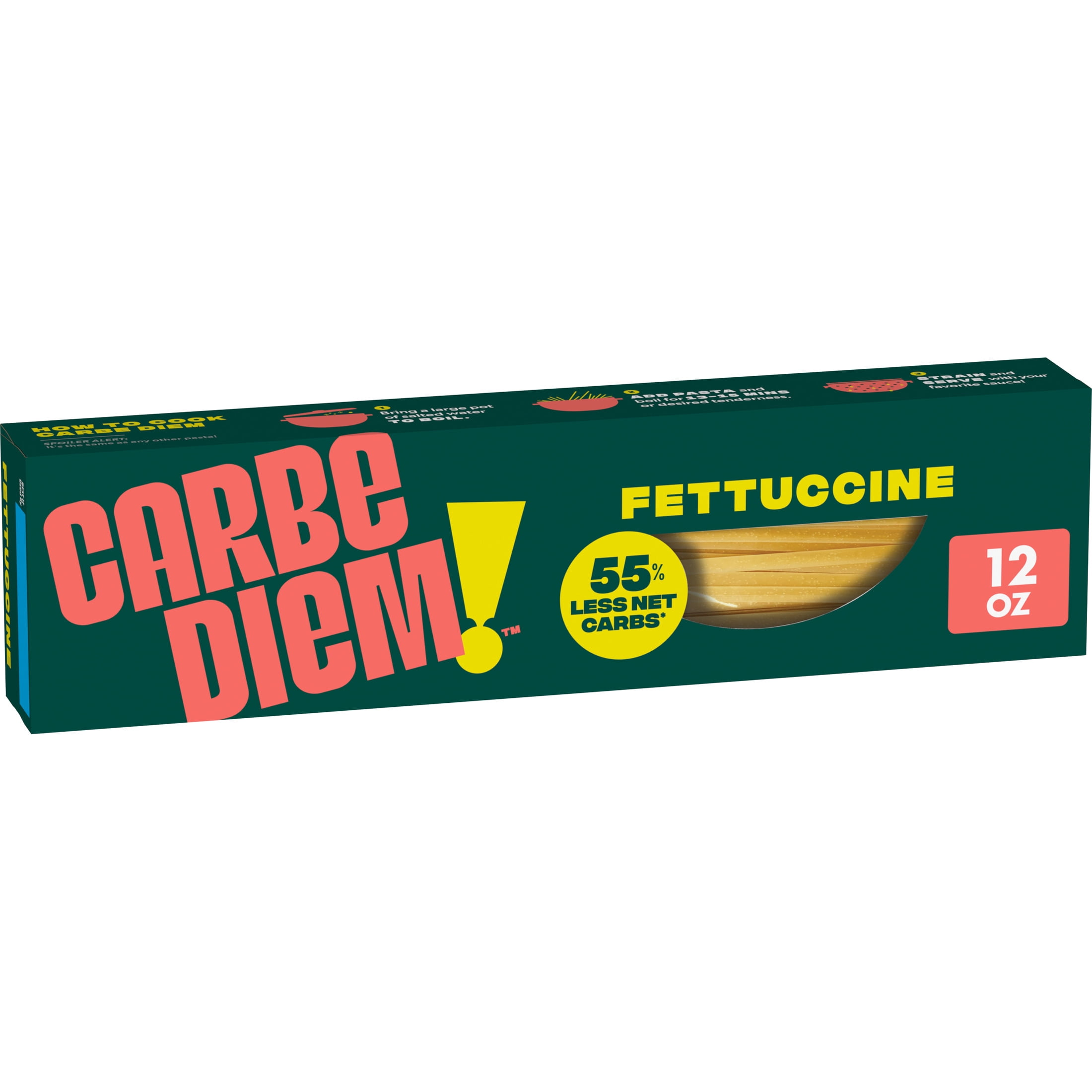
This fettuccine dish is composed of high-quality ingredients such as eggs, Parmesan cheese, and olive oil, which are minimally processed and provide beneficial nutrients. The presence of butter and garlic further enhances its nutritional profile. However, the use of flour and the overall processing level of the product limit its score, as it is categorized as a processed food.
Key ingredients 12
EggsVery Good
Eggs are a high-quality protein source with essential amino acids and nutrients like choline and vitamin D. They are minimally processed and versatile in cooking. Pasture-raised eggs have higher omega-3 content and better nutrient profiles.
Risks
Potential allergen for some individuals.
Benefits
Rich in high-quality protein and essential nutrients, supporting muscle growth and overall health.
Chopped parsleyVery Good
Parsley is a fresh herb rich in vitamins A, C, and K, and antioxidants. It is minimally processed and adds flavor and nutrients to dishes. Its antioxidants may help reduce oxidative stress.
Benefits
Provides vitamins and antioxidants that support immune function and reduce inflammation.
Olive oilVery Good
Olive oil is a healthy fat rich in monounsaturated fats and antioxidants. It is typically cold-pressed, preserving its beneficial compounds. Supports heart health and has anti-inflammatory properties.
Benefits
Rich in monounsaturated fats and antioxidants, supporting heart health and reducing inflammation.
ButterGood
Butter is a dairy product rich in saturated fats and fat-soluble vitamins like A, D, E, and K. It is minimally processed, typically churned from cream. Grass-fed butter contains higher levels of beneficial omega-3 fatty acids and CLA.
Risks
High in saturated fats, which may contribute to heart disease if consumed in excess.
Benefits
Rich in fat-soluble vitamins and provides a source of healthy fats when consumed in moderation.
Parmesan cheeseGood
Parmesan cheese is a hard, aged cheese that is high in protein and calcium. It is made through a fermentation process that enhances its flavor and digestibility. The aging process also reduces lactose content, making it suitable for some lactose-intolerant individuals.
Risks
High sodium content may be a concern for individuals with hypertension.
Benefits
Excellent source of calcium and protein, supporting bone health and muscle maintenance.
GarlicGood
Garlic is known for its health benefits, including antimicrobial and anti-inflammatory properties. It is minimally processed and used for its flavor and health-promoting compounds like allicin. Regular consumption may support cardiovascular health.
Risks
May cause digestive discomfort in some individuals.
Benefits
Contains compounds that support heart health and have antimicrobial properties.
PepperGood
Pepper is a spice that adds flavor and contains piperine, which may enhance nutrient absorption. It is minimally processed and used in small amounts. Piperine has potential anti-inflammatory and antioxidant effects.
Benefits
Enhances flavor and may improve nutrient absorption due to piperine content.
FettuccineNeutral
Fettuccine is a type of pasta made from flour and eggs, providing carbohydrates and some protein. It is a staple in many diets but lacks significant micronutrients. The processing involves mixing, rolling, and drying, which is typical for pasta products.
Risks
Excessive consumption can lead to high carbohydrate intake, which may affect blood sugar levels.
Benefits
Provides a source of energy through carbohydrates and contains some protein from the eggs used in its preparation.
Heavy whipping creamNeutral
Heavy whipping cream is a dairy product high in fat, used to add richness and texture to dishes. It is pasteurized and homogenized, which are standard processes for dairy products. While it adds flavor, it is calorie-dense and should be consumed in moderation.
Risks
High in saturated fats, which may contribute to heart disease if consumed in excess.
Benefits
Adds richness and flavor to dishes, and provides fat-soluble vitamins.
SaltNeutral
Salt is a common seasoning used to enhance flavor, composed mainly of sodium chloride. It is minimally processed but should be used in moderation to avoid excessive sodium intake. It is essential for maintaining fluid balance and nerve function.
Risks
Excessive intake can lead to high blood pressure and cardiovascular issues.
Benefits
Essential for fluid balance and nerve function when consumed in appropriate amounts.
Garlic saltNeutral
Garlic salt is a seasoning blend of salt and garlic powder, used to add flavor. It is processed to combine these ingredients but used in small amounts. Provides flavor enhancement with minimal nutritional impact.
Risks
High sodium content may be a concern if used excessively.
Benefits
Adds flavor with the benefits of garlic compounds in small amounts.
FlourNeutral
Flour is a staple ingredient providing carbohydrates and some protein. It is processed by milling grains, which removes some nutrients. Often enriched to replace lost nutrients during processing.
Risks
May contribute to high carbohydrate intake, affecting blood sugar levels.
Benefits
Provides energy through carbohydrates and is often enriched with vitamins and minerals.
Processing
Processed Foods
Get the full breakdown in the Scout appTake Scout shopping
Scan any product to see lab results, healthy alternatives, and your personalized analysis.
Download on theApp Store GET IT ONGoogle Play