

At a glance
Summary
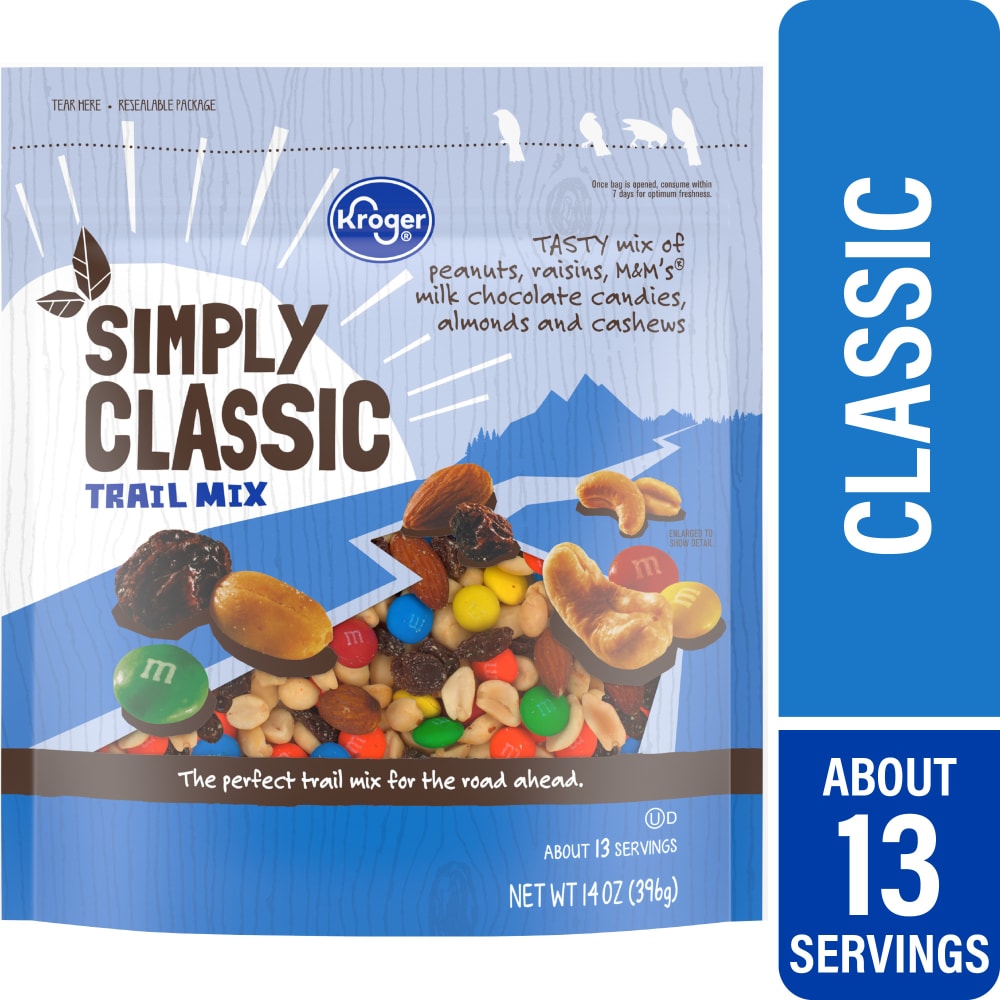
This trail mix contains beneficial ingredients like peanuts, raisins, almonds, and cashews, which provide healthy fats, protein, and essential nutrients. However, the presence of sunflower oil, a seed oil high in omega-6 fatty acids, and milk chocolate candies with added sugars and fats, detracts from its nutritional quality. The product is processed, which limits its score potential, and the inclusion of refined sugar further impacts its healthiness.
Key ingredients 13
AlmondsVery Good
Almonds are a nutrient-dense nut rich in healthy fats, protein, and fiber. They provide essential vitamins and minerals, supporting heart health and weight management. Almonds are a versatile and beneficial addition to a balanced diet.
Risks
Potential allergen for some individuals, which can cause severe allergic reactions.
Benefits
Rich in monounsaturated fats, vitamin E, and magnesium, supporting heart health and reducing inflammation.
PeanutsGood
Peanuts are a good source of protein and healthy fats. They contain essential nutrients such as niacin and folate. Peanuts can support heart health when consumed in moderation.
Risks
Potential allergen for some individuals, which can cause severe allergic reactions.
Benefits
Rich in monounsaturated fats and protein, supporting heart health and muscle maintenance.
RaisinsGood
Raisins are dried grapes that provide natural sugars and fiber. They are a source of antioxidants and can aid in digestion. Raisins offer a natural sweetness without added sugars.
Risks
High in natural sugars, which can contribute to dental issues if consumed excessively.
Benefits
Provide antioxidants and fiber, supporting digestive health and offering a natural energy boost.
Cocoa ButterGood
Natural traditional fat pressed from cacao.
Risks
High in saturated fats, which can impact heart health if consumed in excess.
Benefits
Adds flavor and texture to chocolate products.
CashewsGood
Cashews are a good source of healthy fats, protein, and essential minerals like magnesium and zinc. They support heart health and provide energy. Cashews are a nutritious snack option when consumed in moderation.
Risks
Potential allergen for some individuals, which can cause severe allergic reactions.
Benefits
Provide healthy fats and essential minerals, supporting heart health and energy levels.
ChocolateNeutral
Chocolate provides some antioxidants but is often high in sugar and fat. The health benefits depend on the cocoa content and processing. Dark chocolate is generally more beneficial than milk chocolate.
Risks
High sugar and fat content can contribute to weight gain and metabolic issues.
Benefits
Contains antioxidants that may support heart health if consumed in moderation.
Skim MilkNeutral
Skim milk is a low-fat dairy option providing calcium and protein. It lacks the fat-soluble vitamins found in whole milk. Suitable for those seeking to reduce fat intake while maintaining calcium levels.
Benefits
Provides calcium and protein, supporting bone health and muscle maintenance.
LactoseNeutral
Lactose is a sugar found in milk and dairy products. It provides energy but can cause digestive issues in lactose-intolerant individuals. It is a natural component of dairy with no added nutritional benefits.
Risks
May cause digestive discomfort in lactose-intolerant individuals.
Benefits
Provides a source of energy as a natural sugar in dairy.
Milk FatNeutral
Milk fat is a natural fat found in dairy products, providing flavor and texture. It contains fat-soluble vitamins but is high in saturated fats. Moderation is key to balancing its benefits and risks.
Risks
High in saturated fats, which can impact heart health if consumed in excess.
Benefits
Contains fat-soluble vitamins like A and D, supporting overall health.
SoyNeutral
Soy is a plant-based protein source that provides essential amino acids. It is often used in processed foods and can be genetically modified. Soy offers a protein alternative for vegetarians and vegans.
Risks
May cause allergic reactions in sensitive individuals and can be genetically modified.
Benefits
Provides a complete protein source for vegetarians and vegans.
Milk Chocolate CandiesBad
Milk chocolate candies contain added sugars and fats, which can contribute to weight gain and dental issues. They are highly processed and often contain artificial additives. The nutritional value is limited compared to dark chocolate.
Risks
High in sugars and fats, which can lead to weight gain and increased risk of metabolic disorders.
SugarBad
Refined sugar is a source of empty calories with no essential nutrients. It can contribute to weight gain and increase the risk of chronic diseases. Excessive consumption is linked to metabolic syndrome and dental issues.
Risks
Contributes to weight gain, insulin resistance, and dental cavities when consumed in excess.
Sunflower OilVery Bad
Sunflower oil is a seed oil high in omega-6 fatty acids. Excessive consumption can lead to an imbalance in omega-3 and omega-6 ratios. It is often highly processed, which can reduce its nutritional value.
Risks
High omega-6 content may promote inflammation when consumed in excess.
Processing
Processed Foods
Get the full breakdown in the Scout appTake Scout shopping
Scan any product to see lab results, healthy alternatives, and your personalized analysis.
Download on theApp Store GET IT ONGoogle Play