
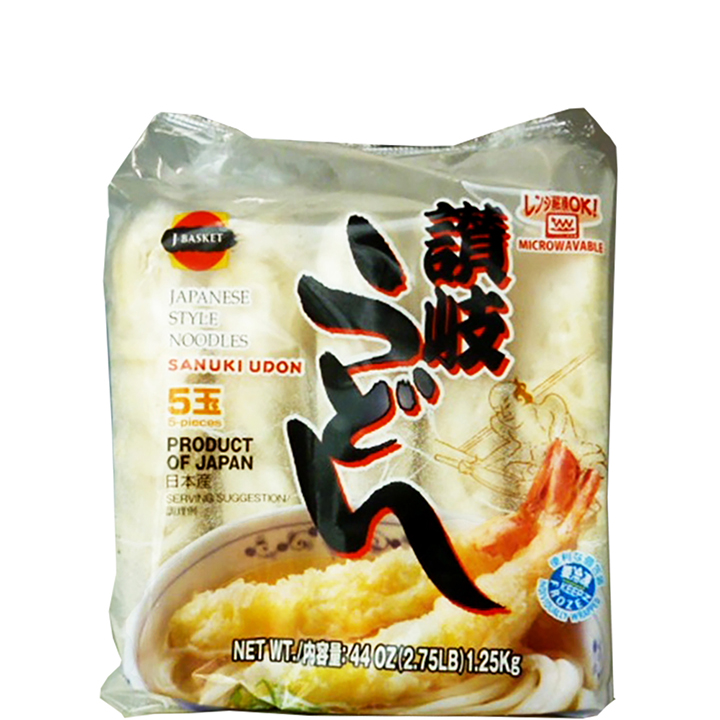


At a glance
Summary
This udon product is primarily made from wheat flour and water, with the addition of modified tapioca starch and salt. The ingredient list is relatively short and free from harmful additives such as artificial colors, flavors, or preservatives, which is positive. However, it is a processed food, which limits its score potential, and the presence of modified starch indicates a moderate level of processing.
Key ingredients 4
WaterNeutral
Water is a fundamental ingredient used to hydrate and bind ingredients in food products. It is essential for life and has no caloric content. In processed foods, it serves as a medium for mixing and cooking.
Benefits
Essential for hydration and necessary for various bodily functions.
Modified tapioca starchNeutral
Modified tapioca starch is used as a thickening agent and stabilizer in food products. It is derived from cassava root and processed to improve its functional properties. While it is generally safe, it offers limited nutritional value.
Benefits
Provides texture and stability to food products but lacks significant nutritional benefits.
SaltNeutral
Salt is used to enhance flavor and preserve food. It is a common culinary ingredient but excessive intake can lead to health issues. It does not provide additional nutrients beyond sodium.
Risks
Excessive consumption can lead to high blood pressure and cardiovascular issues.
Benefits
Enhances flavor and acts as a preservative in food products.
Wheat flourBad
Refined grain flour stripped of bran and germ.
Risks
May cause allergic reactions in individuals with gluten intolerance or celiac disease.
Benefits
Provides carbohydrates for energy but lacks significant nutritional benefits compared to whole grain options.
Processing
Processed Foods
Get the full breakdown in the Scout appTake Scout shopping
Scan any product to see lab results, healthy alternatives, and your personalized analysis.
Download on theApp Store GET IT ONGoogle Play