
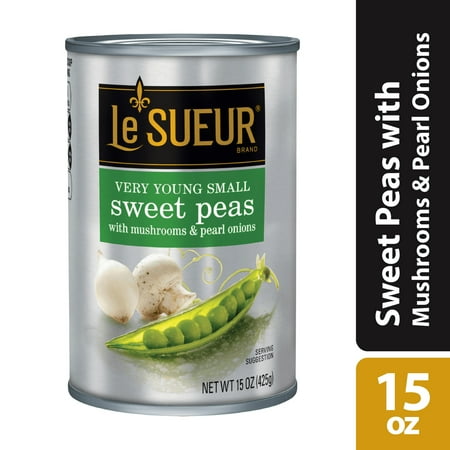


Le Sueur Very Young Small Sweet Peas with Mushrooms & Pearl Onions 15 oz
Analysis updated September 2026 · How Scout scores
At a glance
Summary
This product contains beneficial ingredients like sweet peas, mushrooms, and pearl onions, which are nutritious and provide essential vitamins and fiber. However, it is heavily processed with the inclusion of additives such as preservatives and natural flavors, which detract from its healthfulness. The presence of added sugars and synthetic preservatives further impacts its nutritional quality, leading to a moderate score.
Key ingredients 13
Sweet PeasGood
Sweet peas are a nutritious vegetable rich in vitamins and fiber. They provide essential nutrients like vitamin C and folate. Their natural sweetness makes them a healthy addition to meals.
Benefits
Rich in dietary fiber and essential vitamins, supporting digestive health and immune function.
MushroomsGood
Mushrooms are low in calories and rich in antioxidants and B vitamins. They provide umami flavor and enhance the nutritional profile of dishes. Their fiber content supports digestive health.
Benefits
Rich in antioxidants and B vitamins, supporting immune function and energy metabolism.
Pearl OnionsGood
Pearl onions are a flavorful vegetable rich in antioxidants and vitamin C. They add a mild, sweet flavor to dishes. Their small size makes them convenient for cooking.
Benefits
Provide antioxidants and vitamin C, supporting immune health and reducing inflammation.
Ascorbic AcidGood
Vitamin C — beneficial even when serving as a preservative.
Benefits
Acts as an antioxidant and helps preserve food quality.
WaterNeutral
Water is used as a solvent and carrier for other ingredients. It is essential for hydration and does not contribute calories. In canned foods, it helps maintain moisture and texture.
Benefits
Essential for hydration and maintaining the texture of canned foods.
SaltNeutral
Salt is used to enhance flavor and preserve food. It is essential for bodily functions but should be consumed in moderation. Excessive intake can lead to hypertension.
Risks
Excessive consumption can lead to high blood pressure and cardiovascular issues.
Benefits
Essential for maintaining fluid balance and nerve function.
Citric AcidNeutral
Citric acid is a natural preservative and flavor enhancer. It is commonly used to add acidity and preserve freshness. Generally recognized as safe in moderate amounts.
Risks
Excessive consumption may cause dental erosion or gastrointestinal discomfort.
Benefits
Helps preserve freshness and enhance flavor without significant health risks.
Gum ArabicNeutral
Gum arabic is a natural emulsifier and stabilizer derived from acacia trees. It is used to improve texture and consistency in foods. Generally recognized as safe with minimal health concerns.
Risks
Excessive consumption may cause digestive discomfort in sensitive individuals.
Benefits
Improves texture and consistency without significant health risks.
SugarBad
Refined sugar is added for sweetness but offers no nutritional benefits. Excessive consumption can lead to health issues like obesity and diabetes. It is best consumed in moderation.
Risks
High intake can contribute to obesity, diabetes, and other metabolic disorders.
DextroseBad
Dextrose is a simple sugar used as a sweetener and preservative. It provides quick energy but lacks nutritional value. Overconsumption can contribute to metabolic disorders.
Risks
May contribute to insulin resistance and weight gain when consumed in excess.
Benefits
Provides quick energy but lacks other nutritional benefits.
Potassium SorbateBad
Potassium sorbate is a preservative used to inhibit mold and yeast growth. While effective, it is a synthetic additive. Some individuals may experience allergic reactions.
Risks
May cause allergic reactions or skin irritation in sensitive individuals.
Benefits
Extends shelf life by preventing mold and yeast growth.
Natural FlavorBad
Natural flavors are added to enhance taste but lack transparency in their composition. They can contain a variety of compounds, some of which may cause sensitivities. The lack of disclosure makes it difficult to assess their health impact.
Risks
Potential allergens or sensitivities due to undisclosed compounds.
Benefits
Enhances flavor without adding calories, but lacks nutritional benefits.
Sodium BisulfiteBad
Sodium bisulfite is a preservative used to prevent discoloration and spoilage. It is a synthetic additive that can cause allergic reactions in some individuals. Its use is regulated due to potential health concerns.
Risks
May cause allergic reactions or respiratory issues in sensitive individuals.
Benefits
Helps preserve color and prevent spoilage in foods.
Processing
Ultra-Processed Foods
Get the full breakdown in the Scout appTake Scout shopping
Scan any product to see lab results, healthy alternatives, and your personalized analysis.
Download on theApp Store GET IT ONGoogle Play