


At a glance
Summary
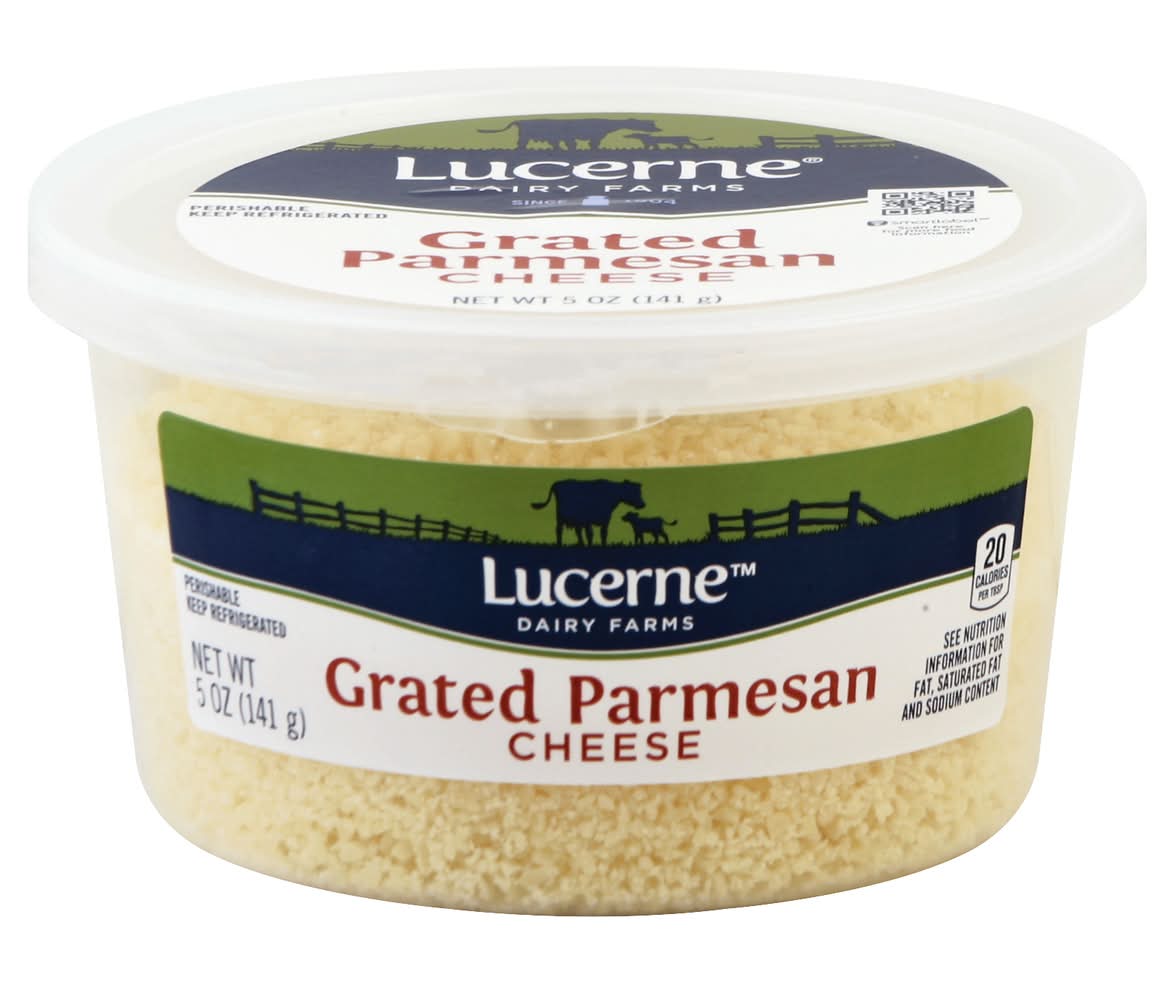
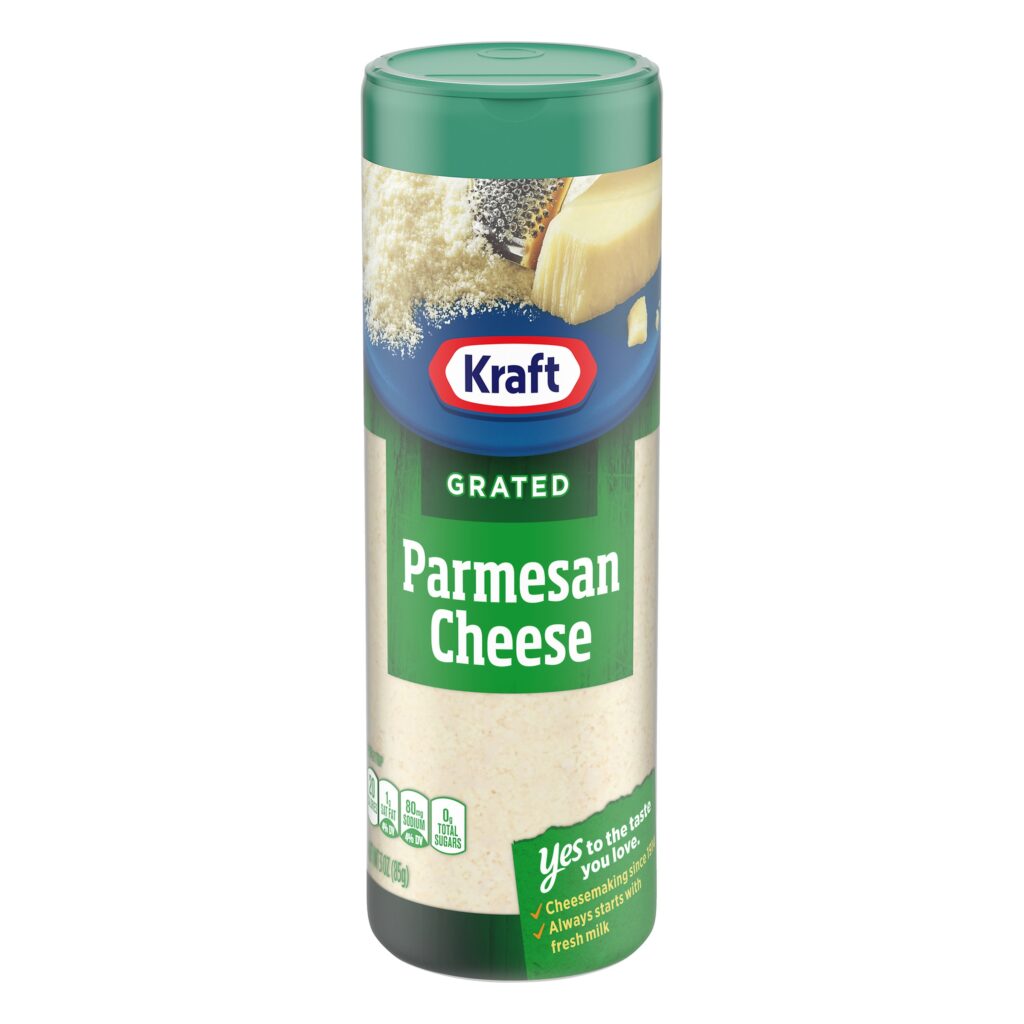
This grated parmesan cheese is ultra-processed due to the inclusion of additives like powdered cellulose and natamycin, which are used to prevent caking and preserve flavor. While the primary ingredient, parmesan cheese, is beneficial and provides protein and calcium, the presence of these additives and the high level of processing limit its health score.
Key ingredients 3
Parmesan cheeseGood
Parmesan cheese is a high-quality source of protein and calcium, beneficial for bone health. It is made from pasteurized part-skim cow's milk, cheese cultures, salt, and enzymes, which are minimally processed. The aging process enhances its flavor and nutritional profile.
Risks
Contains lactose, which may cause issues for those with lactose intolerance.
Benefits
Rich in protein and calcium, supporting muscle and bone health. The aging process also contributes beneficial probiotics.
Powdered celluloseBad
Powdered cellulose is used as an anti-caking agent and is derived from plant fibers. It is a processed ingredient that adds no nutritional value. While generally recognized as safe, it is an additive that some consumers prefer to avoid.
Risks
May cause digestive discomfort in sensitive individuals when consumed in large amounts.
Benefits
Helps maintain product texture by preventing clumping, ensuring even distribution of cheese.
NatamycinBad
Natamycin is a preservative used to prevent mold growth and extend shelf life. It is a synthetic additive that some consumers may wish to avoid. While effective in preserving flavor, it is not a natural component of cheese.
Risks
Potential for allergic reactions in sensitive individuals, though generally considered safe in small amounts.
Benefits
Prevents spoilage and extends the shelf life of cheese, reducing food waste.
Processing
Ultra-Processed Foods
Get the full breakdown in the Scout appTake Scout shopping
Scan any product to see lab results, healthy alternatives, and your personalized analysis.
Download on theApp Store GET IT ONGoogle Play