
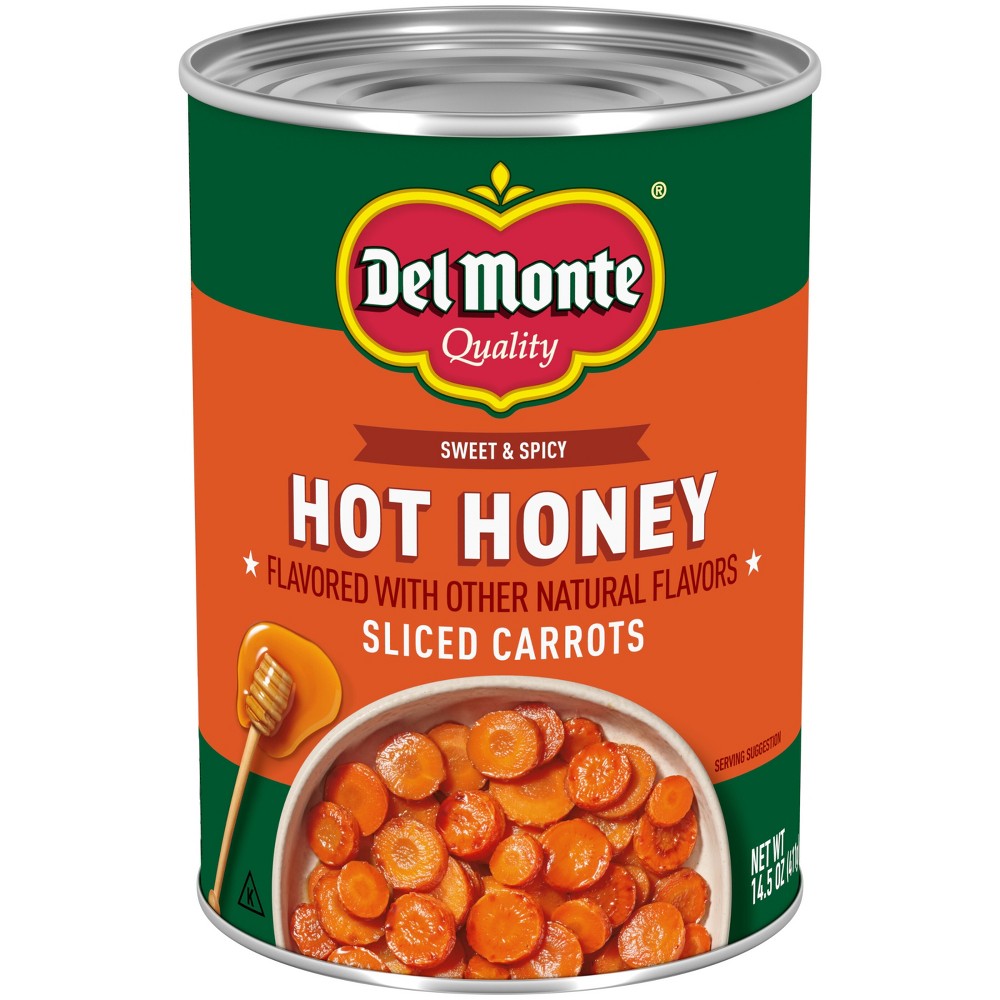
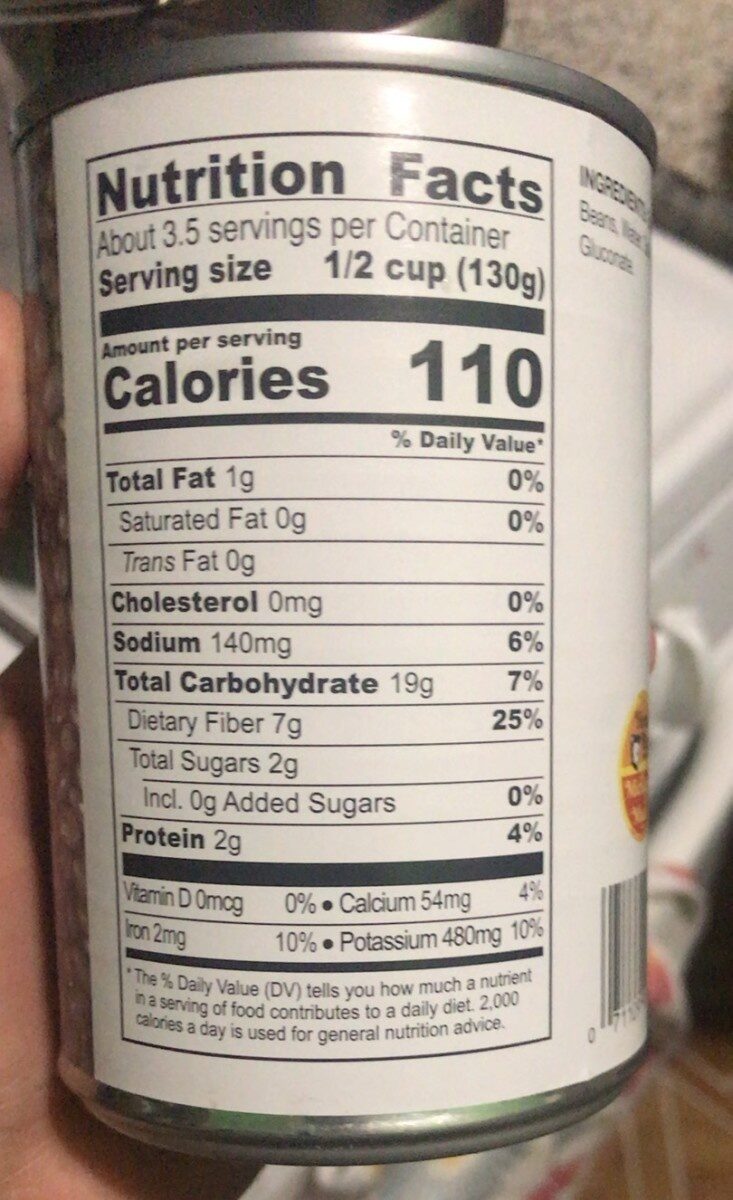
Del Monte Hot Honey Flavored Sliced Carrots Canned Vegetables 14.5 oz. Can
Analysis updated June 2026 · How Scout scores
At a glance
Summary
This product contains nutrient-rich carrots and sea salt, which are beneficial ingredients. However, it also includes refined sugar and natural flavors, which are less desirable due to their lack of nutritional benefits and transparency. The processing level limits the score, as it is a processed food with added sugars and flavorings.
Key ingredients 8
CarrotsGood
Carrots are a nutrient-rich vegetable providing essential vitamins and minerals. They are high in beta-carotene, which the body converts to vitamin A, supporting vision and immune function. As a whole food, they contribute fiber and antioxidants to the diet.
Benefits
Rich in beta-carotene and fiber, supporting eye health and digestion.
Sea SaltGood
Sea salt is a natural source of sodium and trace minerals. It is less processed than table salt and can enhance the flavor of foods. Its mineral content can vary depending on the source.
Risks
Excessive sodium intake can lead to high blood pressure and cardiovascular issues.
Benefits
Provides essential sodium and trace minerals that support electrolyte balance.
HoneyGood
Traditional whole-food sweetener with trace enzymes and antioxidants.
Risks
High sugar content can contribute to weight gain and blood sugar spikes if consumed in excess.
Benefits
Contains antioxidants and may have antimicrobial properties.
WaterNeutral
Water is used as a solvent and carrier in canned foods. It helps maintain the texture and moisture of the product. As a neutral ingredient, it does not contribute additional nutrients or risks.
See more about Water →MolassesNeutral
Molasses is a byproduct of sugar refining that retains some minerals like iron and calcium. It adds a distinct flavor and color to foods. While it contains more nutrients than refined sugar, it should still be consumed in moderation.
Risks
High sugar content can lead to similar health concerns as other sweeteners if overconsumed.
Benefits
Provides small amounts of minerals such as iron and calcium.
Calcium ChlorideNeutral
Calcium chloride is used as a firming agent in canned vegetables. It helps maintain texture and stability during processing. It is generally recognized as safe when used in food applications.
Benefits
Helps maintain the firmness and texture of canned vegetables.
SugarBad
Refined sugar is added for sweetness but offers no nutritional benefits. Excessive consumption of sugar can lead to health issues such as obesity and diabetes. It is a processed ingredient that should be consumed in moderation.
Risks
High intake of refined sugar is linked to increased risk of obesity, type 2 diabetes, and heart disease.
Natural FlavorBad
Natural flavors are added to enhance taste but lack transparency in their composition. They can be derived from various sources and may contain additives. The lack of disclosure can be concerning for those with allergies or sensitivities.
Risks
Potential allergen risk due to undisclosed ingredients and additives.
Processing
Processed Foods
Get the full breakdown in the Scout appTake Scout shopping
Scan any product to see lab results, healthy alternatives, and your personalized analysis.
Download on theApp Store GET IT ONGoogle PlayAmazon pricing & content
Amazon price as of . Product prices and availability are accurate as of the date/time indicated and are subject to change. Any price and availability information displayed on Amazon.com at the time of purchase will apply to the purchase of this product.
CERTAIN CONTENT THAT APPEARS ON THIS SITE COMES FROM AMAZON. THIS CONTENT IS PROVIDED “AS IS” AND IS SUBJECT TO CHANGE OR REMOVAL AT ANY TIME.