


At a glance
Summary
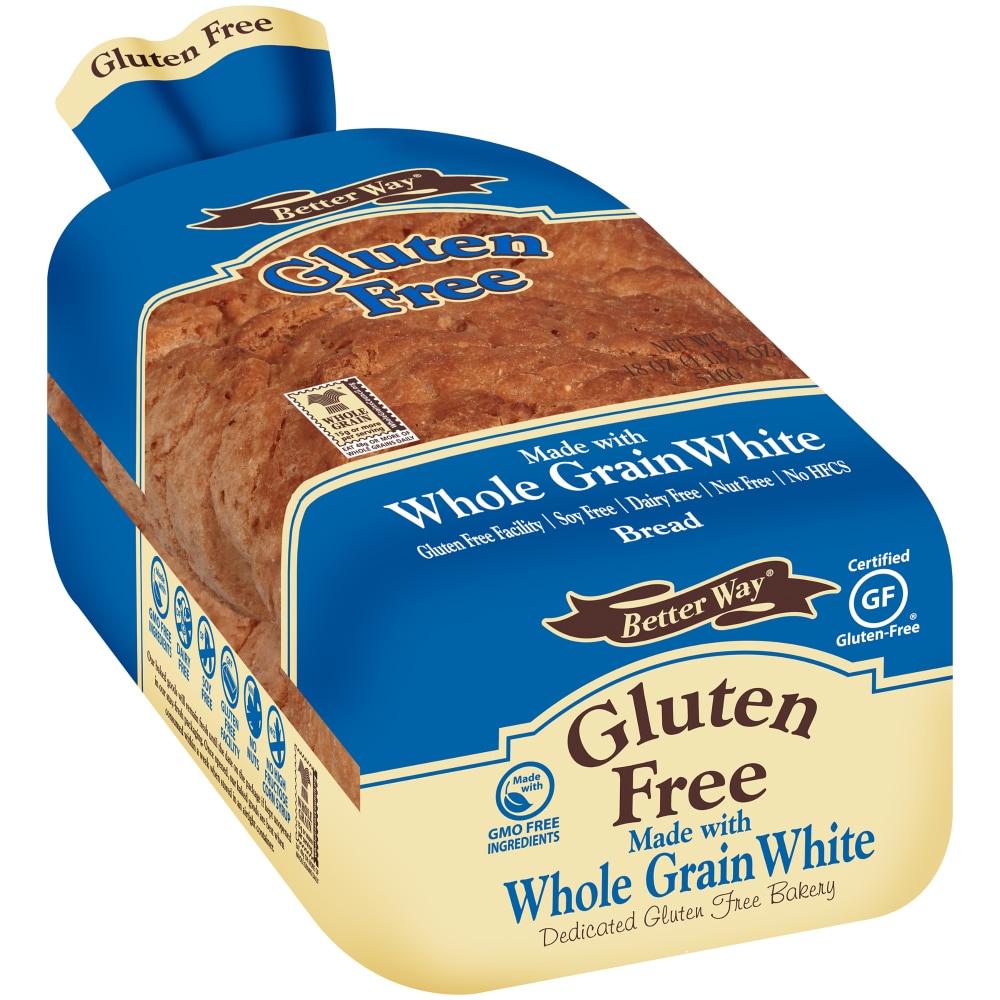
This whole grain white bread contains several beneficial ingredients such as brown rice flour, whole grain sorghum flour, and extra virgin olive oil, which contribute to its nutritional value. However, it is classified as ultra-processed due to the presence of tapioca syrup, a refined sugar, and xanthan gum, which impacts its overall healthiness. The processing level and the inclusion of a refined sweetener limit its score despite the presence of some high-quality ingredients.
Key ingredients 13
Extra virgin olive oilVery Good
Extra virgin olive oil is a high-quality monounsaturated fat with anti-inflammatory properties. Contains antioxidants that support heart health. Cold-pressed extraction preserves beneficial compounds.
Benefits
Rich in monounsaturated fats that support heart health and provide anti-inflammatory properties. Contains antioxidants like vitamin E and polyphenols that may reduce oxidative stress.
Brown rice flourGood
Brown rice flour is a whole grain flour that provides fiber and essential nutrients. It is less processed than white rice flour, retaining more of its natural nutrients. It can support digestive health due to its fiber content.
Risks
May contain trace amounts of arsenic, which can be a concern if consumed in large quantities.
Benefits
Rich in fiber and essential nutrients, supporting digestive health and providing a source of complex carbohydrates.
Whole grain sorghum flourGood
Whole grain sorghum flour is a nutritious, gluten-free flour rich in fiber and antioxidants. It retains its bran and germ, providing essential nutrients. It supports heart health and aids in digestion due to its fiber content.
Benefits
Rich in fiber and antioxidants, supporting heart health and digestion.
Whole eggsGood
Whole eggs are a high-quality source of protein and essential nutrients. They provide a complete amino acid profile and are rich in vitamins and minerals. Eggs support muscle health and provide satiety.
Risks
Allergic reactions may occur in individuals with egg allergies.
Benefits
Rich in high-quality protein and essential nutrients, supporting muscle health and providing satiety.
Whole grain amaranth seedGood
Whole grain amaranth seed is a nutrient-dense grain rich in protein, fiber, and micronutrients. It is a complete protein source, containing all essential amino acids. It supports heart health and provides sustained energy.
Benefits
Rich in protein, fiber, and micronutrients, supporting heart health and providing sustained energy.
WaterNeutral
Water is a neutral ingredient used as a solvent and to provide moisture. It does not contribute any calories or nutrients. It is essential for the dough formation and texture.
See more about Water →Tapioca starchNeutral
Tapioca starch is a refined carbohydrate used to improve texture and moisture retention. It is highly processed and lacks significant nutrients. It is commonly used in gluten-free products for its binding properties.
See more about Tapioca starch →Xanthan gumNeutral
Xanthan gum is a polysaccharide used as a thickening and stabilizing agent. It is produced through fermentation and is commonly used in gluten-free baking. It helps improve texture and consistency in baked goods.
Risks
May cause digestive issues in sensitive individuals when consumed in large amounts.
Benefits
Improves texture and consistency in gluten-free products.
SaltNeutral
Salt is used to enhance flavor and as a preservative. It is a refined ingredient that provides sodium, an essential mineral. Excessive consumption can lead to health issues such as hypertension.
Risks
Excessive consumption may lead to hypertension and cardiovascular issues.
Benefits
Provides essential sodium for fluid balance and nerve function.
Cultured rice flourNeutral
Cultured rice flour is used as a natural preservative and to improve texture. It is produced through fermentation, which can enhance its nutritional profile. It is commonly used in gluten-free products.
Benefits
May provide some probiotic benefits due to fermentation.
YeastNeutral
Yeast is a microorganism used for fermentation, contributing to the rise and texture of bread. It is a natural ingredient that provides some B vitamins. It is essential for leavening in bread products.
Benefits
Contributes to the leavening process and provides some B vitamins.
EnzymesNeutral
Enzymes are used to improve dough handling and extend shelf life. They are natural proteins that catalyze biochemical reactions. They enhance the texture and volume of baked goods.
Benefits
Enhances texture and volume of baked goods.
Tapioca syrupBad
Tapioca syrup is a sweetener derived from cassava root, often used as a substitute for corn syrup. It is a refined sugar with a high glycemic index, which can impact blood sugar levels. It lacks nutritional benefits and is primarily used for sweetness.
Risks
High glycemic index may lead to spikes in blood sugar levels.
Processing
Ultra-Processed Foods
Get the full breakdown in the Scout appTake Scout shopping
Scan any product to see lab results, healthy alternatives, and your personalized analysis.
Download on theApp Store GET IT ONGoogle Play