
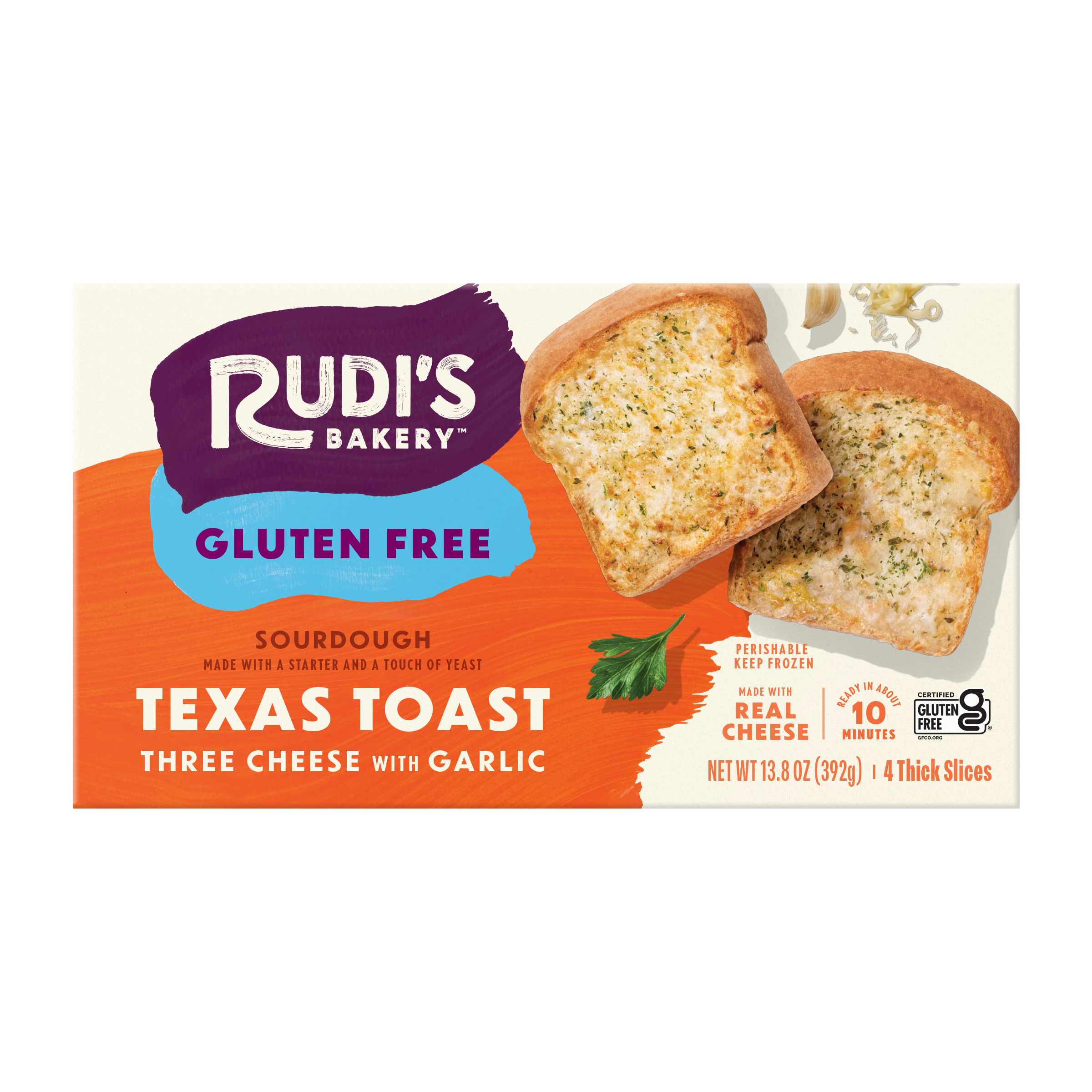


Gluten Free Texas Toast 3 Cheese w/ Garlic
Analysis updated October 2026 · How Scout scores
At a glance
Summary
This product contains some beneficial ingredients like dehydrated rye sourdough, cream, and garlic puree, which contribute to its flavor and nutritional profile. However, the presence of sunflower oil, a seed oil high in omega-6 fatty acids, and the use of 'natural flavor' as a non-transparent ingredient, detract from its healthiness. Additionally, the product is processed, which limits its score due to the level of processing involved.
Key ingredients 19
Dehydrated rye sourdoughGood
Dehydrated rye sourdough adds flavor and can improve the texture of bread. It may aid in digestion due to the presence of beneficial bacteria from the sourdough culture. Rye flour provides additional nutrients compared to refined wheat flour.
Risks
May not be suitable for those with gluten intolerance.
Benefits
Contains beneficial bacteria that can aid digestion and improve gut health.
Sea saltGood
Sea salt is a natural source of sodium and trace minerals. It enhances the flavor of food and is less processed than table salt. It provides essential electrolytes needed for bodily functions.
Risks
Excessive consumption can lead to high blood pressure and other health issues.
Benefits
Provides essential electrolytes and trace minerals.
CreamGood
Cream adds richness and flavor to the product. It is a source of dairy fat, which can provide fat-soluble vitamins. It enhances the overall taste and texture of the bread.
Risks
May contribute to increased calorie intake if consumed in excess.
Benefits
Provides richness and flavor, along with fat-soluble vitamins.
MilkGood
Milk is a source of calcium and protein, contributing to bone health and muscle maintenance. It provides essential nutrients like vitamin D and B vitamins. It enhances the nutritional profile of the product.
Risks
May cause issues for those with lactose intolerance.
Benefits
Rich in calcium and protein, supporting bone health and muscle maintenance.
Garlic pureeGood
Garlic puree adds flavor and potential health benefits due to its antioxidant properties. It is a natural ingredient that can support heart health. It enhances the overall taste of the product.
Benefits
Contains antioxidants that may support heart health and enhance flavor.
ParsleyGood
Parsley is a natural herb that adds flavor and color to dishes. It contains vitamins A, C, and K, contributing to its nutritional value. It enhances the visual appeal and taste of the product.
Benefits
Rich in vitamins and enhances flavor and visual appeal.
WaterNeutral
Water is used as a solvent and to provide moisture in bread products. It is essential for the dough formation and baking process. It does not contribute any nutritional value.
See more about Water →YeastNeutral
Yeast is used as a leavening agent in bread, helping the dough to rise. It is a natural ingredient that contributes to the texture and flavor of the bread. It does not provide significant nutritional benefits.
Benefits
Essential for leavening, contributing to the bread's texture and flavor.
Barley malt syrupNeutral
Barley malt syrup is a natural sweetener derived from barley. It adds sweetness and flavor to baked goods. It is less processed than refined sugars but still contributes to overall sugar intake.
Risks
May contribute to increased blood sugar levels if consumed in excess.
Benefits
Provides a natural source of sweetness with some trace nutrients.
Cultured wheat starchNeutral
Cultured wheat starch is used to improve the texture and shelf life of baked goods. It is a processed ingredient but generally considered safe. It does not provide significant nutritional benefits.
Benefits
Helps improve texture and shelf life of the product.
Wheat glutenNeutral
Wheat gluten is used to improve the texture and elasticity of bread. It is a protein found in wheat but can cause issues for those with gluten intolerance. It is beneficial for creating a desirable bread texture.
Risks
Not suitable for individuals with gluten intolerance or celiac disease.
Benefits
Improves texture and elasticity of bread products.
Distilled white vinegarNeutral
Distilled white vinegar is used as a preservative and flavor enhancer. It is a natural ingredient with antimicrobial properties. It does not provide significant nutritional benefits.
Benefits
Acts as a natural preservative and flavor enhancer.
Cultured wheat flourNeutral
Cultured wheat flour is used to improve the shelf life and flavor of baked goods. It is a processed ingredient but generally considered safe. It does not provide significant nutritional benefits.
Benefits
Helps improve shelf life and flavor of the product.
EnzymesNeutral
Enzymes are used to improve the texture and shelf life of bread. They are natural proteins that aid in the breakdown of starches and proteins. They do not provide direct nutritional benefits.
Benefits
Enhance texture and shelf life of bread products.
Cheese culturesNeutral
Cheese cultures are used to ferment milk into cheese, adding flavor and texture. They are natural and generally considered safe. They do not provide significant nutritional benefits on their own.
Benefits
Contribute to the flavor and texture of cheese.
SaltNeutral
Salt is used to enhance flavor and as a preservative. It is a common ingredient in processed foods. It does not provide significant nutritional benefits beyond sodium.
Risks
Excessive consumption can lead to high blood pressure and other health issues.
Benefits
Enhances flavor and acts as a preservative.
Wheat flourBad
Refined grain flour stripped of bran and germ.
Risks
May cause issues for individuals with gluten intolerance or celiac disease.
Benefits
Provides carbohydrates which are a primary energy source.
Natural flavorBad
Natural flavor is a catch-all term that can include a variety of substances. It is often highly processed and lacks transparency about its composition. It does not provide any nutritional benefits.
Risks
Lack of transparency about composition may pose allergy risks.
Sunflower oilVery Bad
Sunflower oil is a seed oil high in omega-6 fatty acids, which can promote inflammation when consumed in excess. It is often highly processed and lacks significant nutritional benefits. It is not recommended for regular consumption due to its potential health impacts.
Risks
High omega-6 content may promote inflammation when consumed in excess.
Processing
Processed Foods
Get the full breakdown in the Scout appTake Scout shopping
Scan any product to see lab results, healthy alternatives, and your personalized analysis.
Download on theApp Store GET IT ONGoogle PlayAmazon pricing & content
CERTAIN CONTENT THAT APPEARS ON THIS SITE COMES FROM AMAZON. THIS CONTENT IS PROVIDED “AS IS” AND IS SUBJECT TO CHANGE OR REMOVAL AT ANY TIME.