


At a glance
Summary
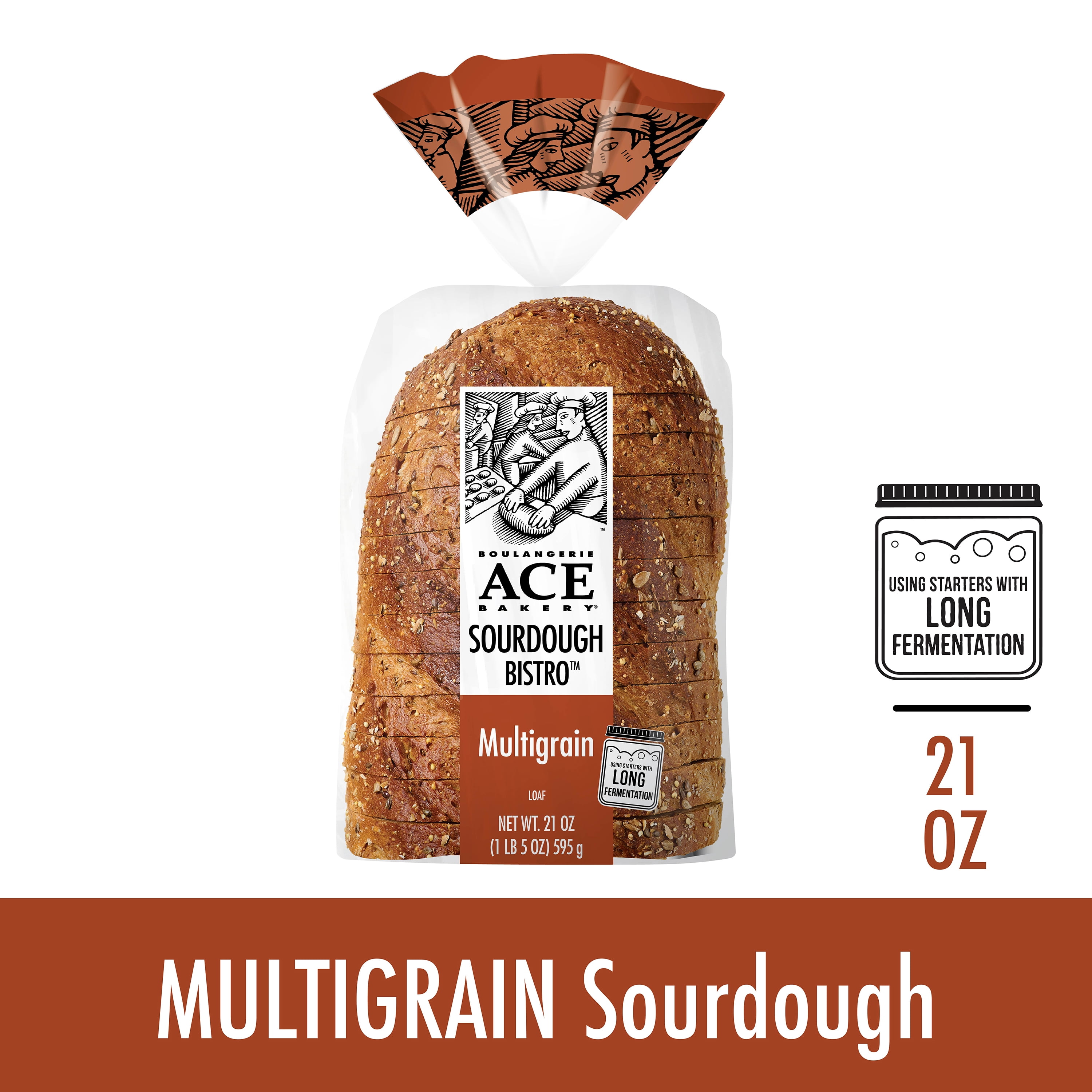
This sourdough bread is made with enriched wheat flour as a primary ingredient, which is a refined flour and contributes to its ultra-processed nature. While it includes beneficial ingredients like rye flour and whole grain rye flour, which provide fiber and nutrients, the presence of refined flour and the processing level limit its healthfulness. The bread contains minimal additives, but the overall processing level and ingredient quality result in a moderate score.
Key ingredients 12
Whole grain rye flourGood
Whole grain rye flour is minimally processed, retaining all parts of the grain, including the bran and germ. It is high in fiber and nutrients, promoting heart health and digestion. Its complex carbohydrates provide sustained energy.
Risks
May not be suitable for those with gluten intolerance.
Benefits
High in fiber and nutrients, supporting heart health and providing sustained energy.
Ascorbic acidGood
Vitamin C — beneficial even when serving as a preservative.
Benefits
Strengthens gluten and improves bread volume, acting as a natural antioxidant.
WaterNeutral
Water is a fundamental ingredient in bread making, providing moisture and aiding in the mixing process. It is essential for activating yeast and developing gluten. It has no nutritional value but is crucial for texture and structure.
Benefits
Essential for hydration and texture in bread.
Rye flourNeutral
Standard formulation ingredient — neither beneficial nor harmful at typical use.
Risks
May cause digestive discomfort in individuals with gluten sensitivity.
Benefits
Rich in fiber and nutrients, supporting digestive health and providing a unique flavor.
SaltNeutral
Salt is used to enhance flavor and control yeast activity in bread. It is a common ingredient in baking but should be consumed in moderation. Excessive intake can lead to health issues like hypertension.
Risks
Excessive consumption may contribute to high blood pressure.
Benefits
Enhances flavor and helps control yeast activity in bread.
Cultured wheat flourNeutral
Cultured wheat flour is treated with bacterial cultures to enhance flavor and shelf life. It is similar to regular wheat flour but with added fermentation benefits. It provides a mild sour flavor typical of sourdough.
Benefits
Enhances flavor and shelf life through natural fermentation.
YeastNeutral
Yeast is a leavening agent that helps bread rise by producing carbon dioxide. It is a natural ingredient essential for bread texture and flavor. It contributes to the fermentation process in sourdough.
Benefits
Essential for leavening and contributes to bread's texture and flavor.
Wheat glutenNeutral
Wheat gluten is added to improve dough elasticity and bread structure. It is a protein found naturally in wheat and enhances the texture of baked goods. It is beneficial for achieving a chewy texture in bread.
Risks
Not suitable for individuals with gluten intolerance or celiac disease.
Benefits
Improves dough elasticity and bread structure, providing a chewy texture.
Lactic acidNeutral
Lactic acid is a natural acid produced during fermentation, contributing to the sour flavor of sourdough. It acts as a preservative and enhances the bread's flavor profile. It is naturally occurring and safe for consumption.
Benefits
Enhances flavor and acts as a natural preservative.
Malted barley flourNeutral
Malted barley flour is used to enhance flavor and improve dough fermentation. It contains enzymes that help break down starches into sugars, aiding yeast activity. It is a natural ingredient with no significant health concerns.
Benefits
Enhances flavor and aids in dough fermentation.
EnzymesNeutral
Enzymes are added to improve dough handling and bread quality. They help break down starches and proteins, enhancing texture and shelf life. They are naturally occurring and widely used in baking.
Benefits
Improves dough handling and enhances bread quality.
Enriched wheat flourBad
Refined grain flour stripped of bran and germ.
Risks
May contribute to blood sugar spikes due to its refined nature.
Benefits
Provides essential vitamins and minerals due to enrichment.
Processing
Ultra-Processed Foods
Get the full breakdown in the Scout appTake Scout shopping
Scan any product to see lab results, healthy alternatives, and your personalized analysis.
Download on theApp Store GET IT ONGoogle Play