



At a glance
Summary
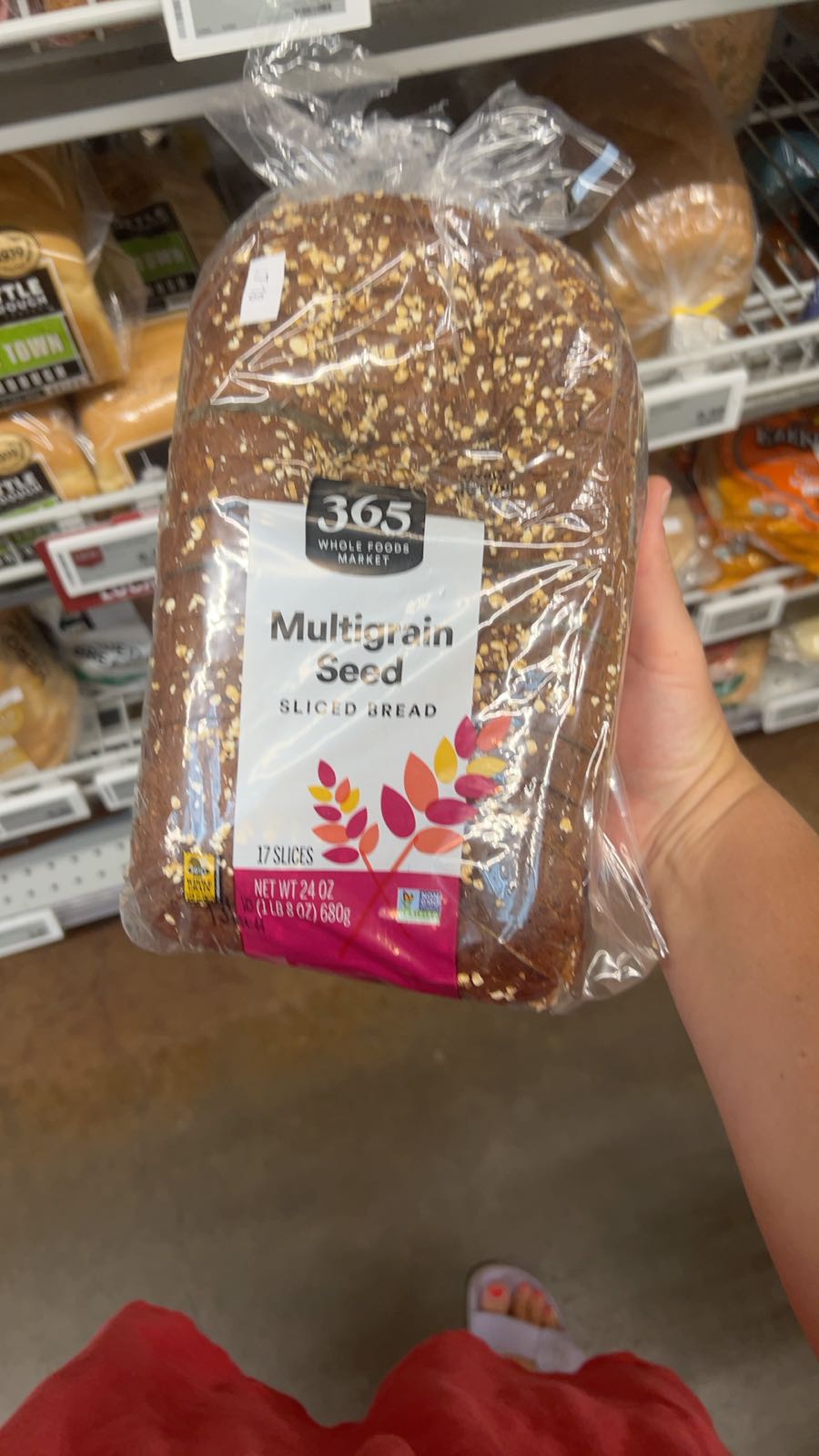
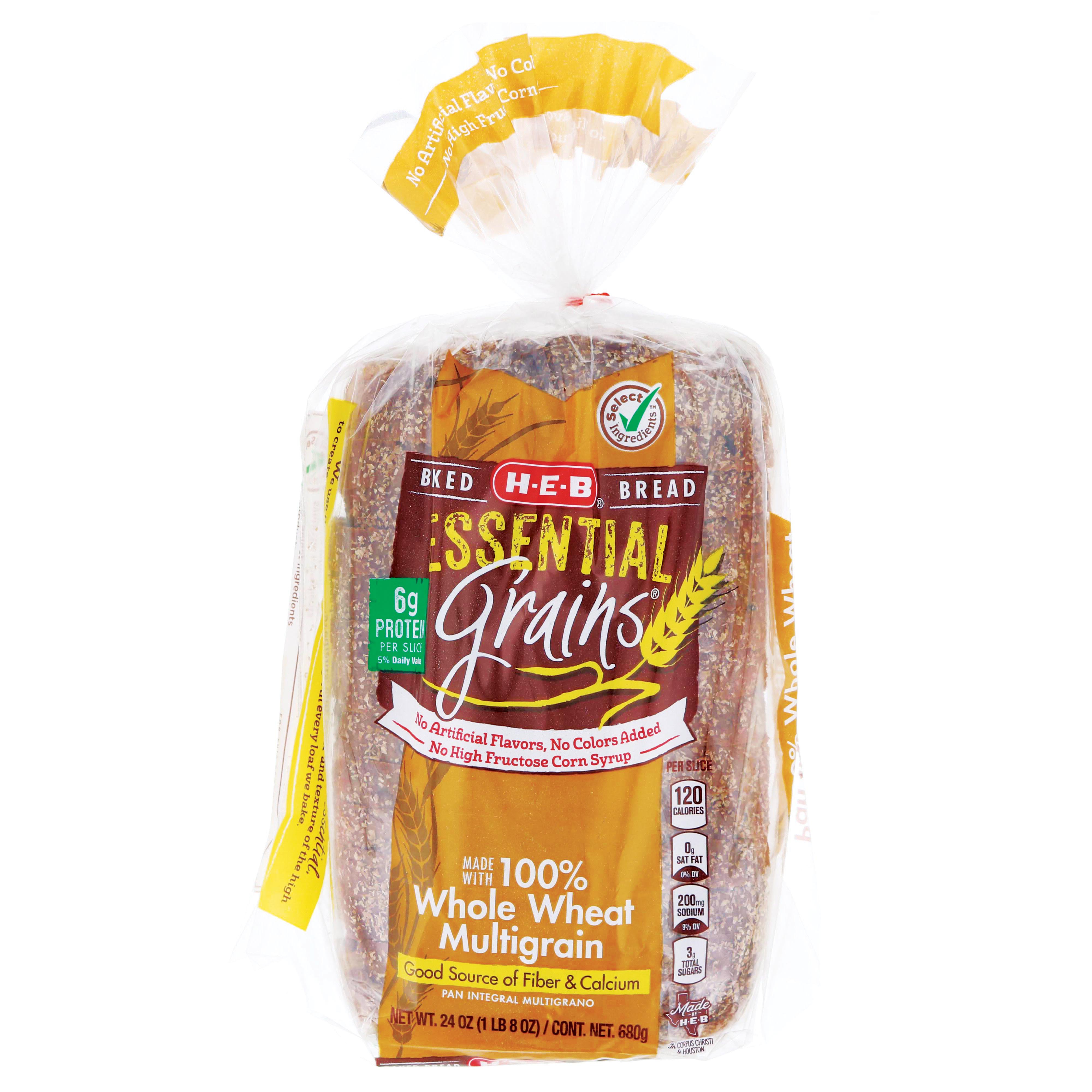
This multigrain sandwich bread contains beneficial whole grains like whole wheat flour, cracked wheat, and rolled oats, which contribute to its fiber content and nutritional value. However, the presence of soybean oil, a heavily processed seed oil, and soy lecithin, an emulsifier, detracts from its healthiness. The bread is moderately processed, which limits its score despite the inclusion of some nutritious ingredients.
Key ingredients 12
Whole wheat flourGood
Whole wheat flour is a good source of dietary fiber and essential nutrients. It is less processed than refined flour, retaining more of the grain's natural components. This contributes to better digestion and sustained energy levels.
Risks
May contain gluten, which can be problematic for individuals with celiac disease or gluten sensitivity.
Benefits
Rich in fiber, vitamins, and minerals, supporting digestive health and providing long-lasting energy.
Cracked wheatGood
Cracked wheat is a whole grain that provides fiber and nutrients. It is minimally processed, retaining the bran and germ. This enhances the nutritional profile of the bread.
Risks
Contains gluten, which may not be suitable for those with gluten intolerance.
Benefits
Offers dietary fiber and essential nutrients, promoting digestive health and satiety.
Rolled oatsGood
Rolled oats are a whole grain known for their high fiber content and heart health benefits. They are minimally processed, preserving their nutritional integrity. Oats can help lower cholesterol levels.
Risks
May contain gluten if not certified gluten-free, posing a risk for those with celiac disease.
Benefits
Rich in beta-glucan, a type of soluble fiber that supports heart health and aids in cholesterol management.
HoneyGood
Traditional whole-food sweetener with trace enzymes and antioxidants.
Risks
High in sugar, which can contribute to weight gain and blood sugar spikes if consumed in excess.
Benefits
Contains antioxidants and has a lower glycemic index than refined sugar, offering a more natural sweetness.
Sea saltGood
Sea salt is a minimally processed salt that contains trace minerals. It is used to enhance flavor and provide essential sodium. Unlike refined salt, it retains some natural minerals.
Risks
Excessive sodium intake can lead to high blood pressure and cardiovascular issues.
Benefits
Provides essential sodium and trace minerals, supporting electrolyte balance and flavor enhancement.
Ascorbic acidGood
Vitamin C — beneficial even when serving as a preservative.
Benefits
Acts as an antioxidant and improves dough strength and quality.
WaterNeutral
Water is a neutral ingredient used as a solvent and to provide moisture. It is essential for the dough formation and texture of the bread. Water itself does not contribute any nutritional value.
See more about Water →Wheat glutenNeutral
Wheat gluten is used to improve the texture and elasticity of bread. It is a protein derived from wheat and is commonly used in baking. While it enhances bread quality, it does not add significant nutritional value.
Risks
Contains gluten, which is problematic for individuals with celiac disease or gluten sensitivity.
Benefits
Improves bread texture and elasticity, making it more palatable.
YeastNeutral
Yeast is a leavening agent that helps bread rise and develop flavor. It is a natural ingredient used in baking. While it is essential for bread making, it does not provide significant nutritional benefits.
Benefits
Facilitates dough rising and contributes to bread's texture and flavor.
White distilled vinegarNeutral
White distilled vinegar is used as a preservative and flavor enhancer. It is a natural product derived from fermentation. While it aids in preservation, it does not offer significant nutritional benefits.
Benefits
Acts as a natural preservative and flavor enhancer in bread.
Soy lecithinBad
Soy lecithin is an emulsifier used to improve texture and shelf life. It is a processed ingredient derived from soybeans. While it aids in product stability, it is not a necessary nutritional component.
Risks
May cause allergic reactions in individuals sensitive to soy.
Benefits
Improves texture and shelf stability of the product.
Soybean oilVery Bad
Soybean oil is a seed oil high in omega-6 fatty acids, which can promote inflammation. It is heavily processed and often extracted using chemical solvents. This makes it a less desirable fat source compared to healthier oils.
Risks
High omega-6 content may promote inflammation when consumed in excess.
Processing
Processed Foods
Get the full breakdown in the Scout appTake Scout shopping
Scan any product to see lab results, healthy alternatives, and your personalized analysis.
Download on theApp Store GET IT ONGoogle Play