



At a glance
Summary
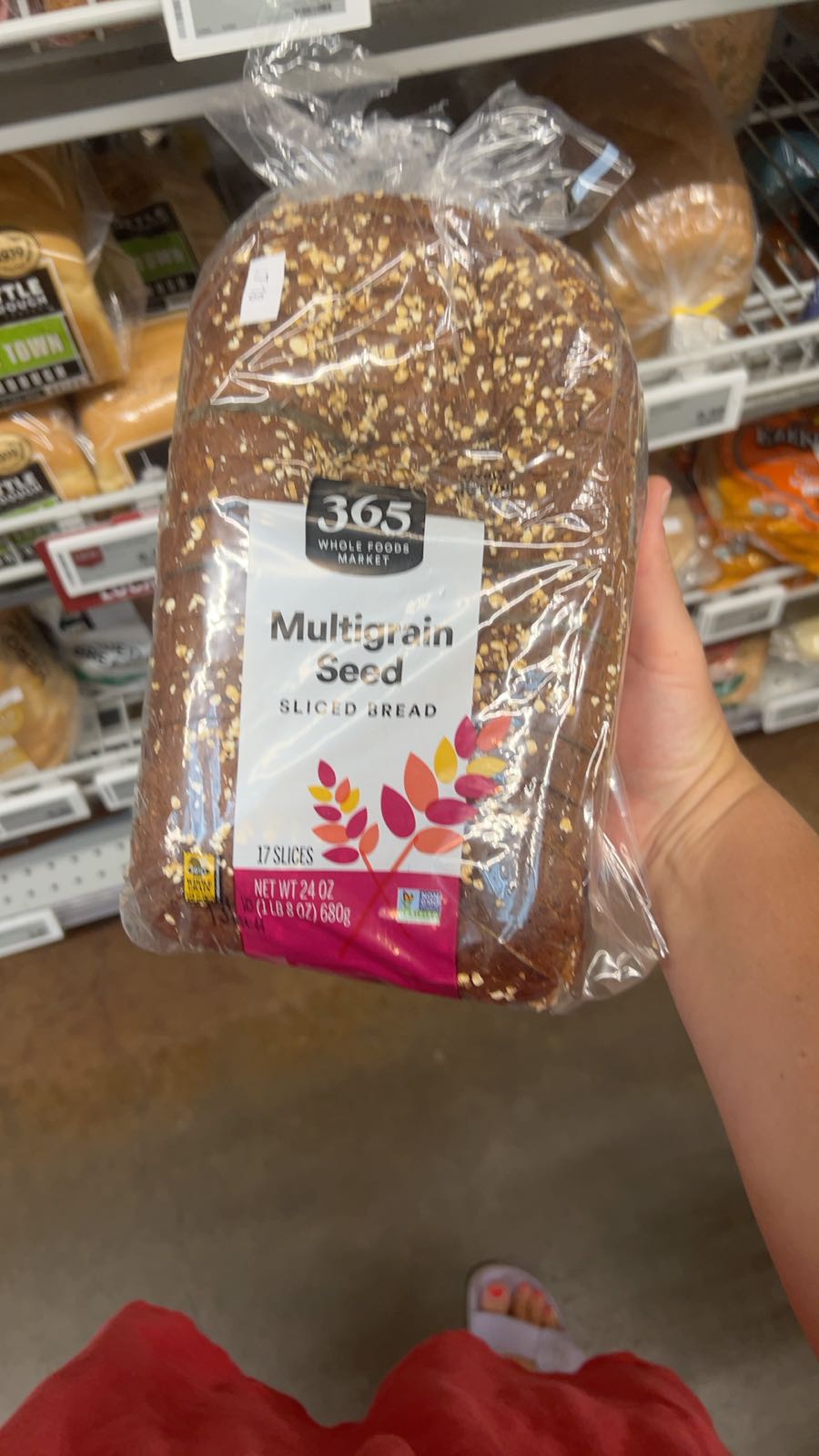
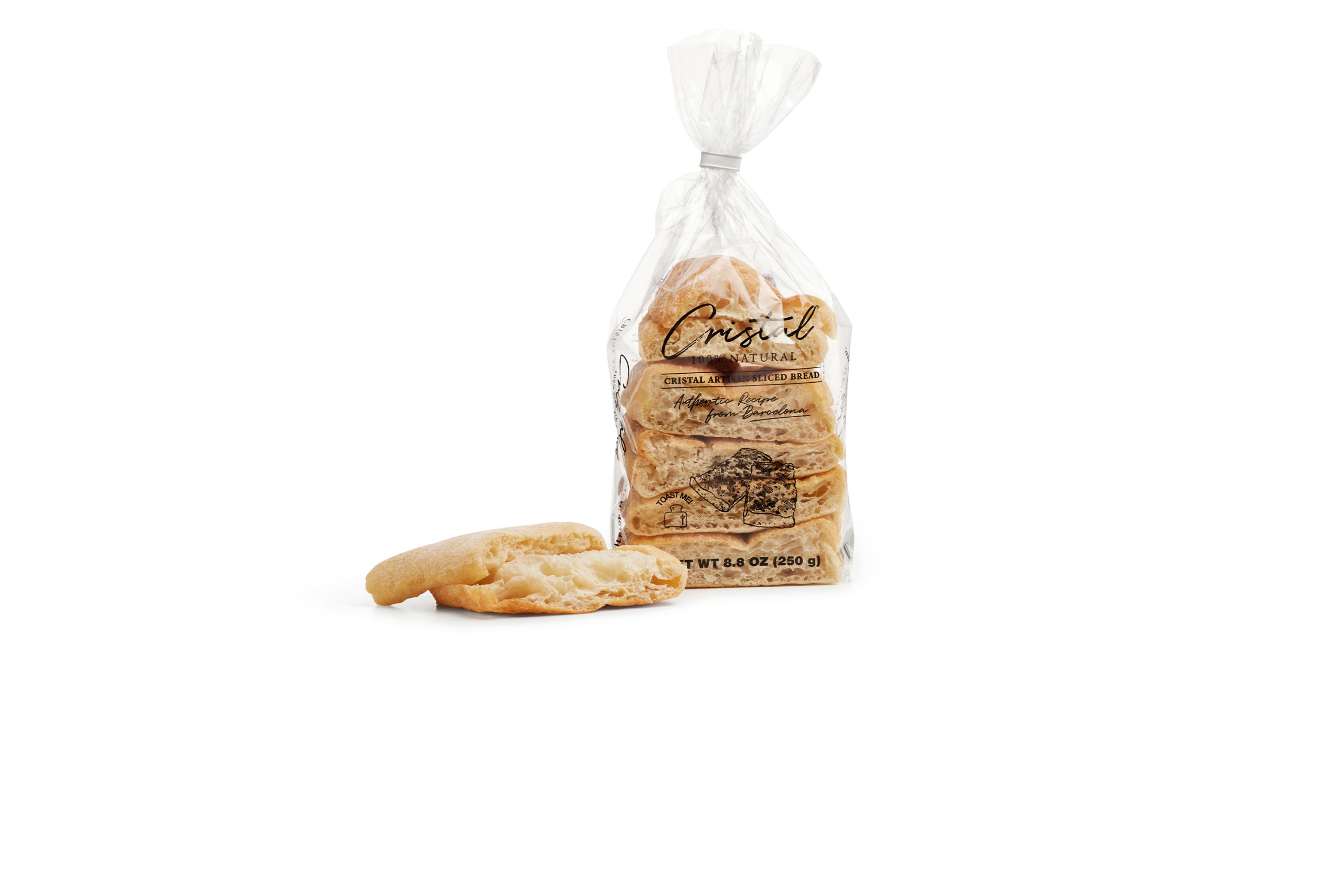
This sliced brown bread contains beneficial ingredients like wheat bran and dried wheat sourdough, which add fiber and improve flavor. However, the presence of sugar and palm oil, which is high in saturated fats, detracts from its health profile. The bread is moderately processed, which limits its score, and the use of palm oil raises environmental concerns.
Key ingredients 11
Wheat BranGood
Wheat bran is a rich source of dietary fiber, which aids in digestion and promotes satiety. It contains essential nutrients like magnesium and phosphorus. Its inclusion enhances the nutritional profile of the bread by adding fiber and micronutrients.
Risks
May cause digestive discomfort in some individuals if consumed in large quantities.
Benefits
Rich in dietary fiber, which supports digestive health and provides essential nutrients.
Dried Wheat SourdoughGood
Dried wheat sourdough is used to enhance flavor and improve texture. It can contribute beneficial lactic acid bacteria, which may aid in digestion. The inclusion of sourdough can improve the bread's flavor and potential health benefits.
Benefits
Enhances flavor and may improve digestion due to beneficial bacteria.
WaterNeutral
Water is a basic ingredient used to hydrate the dough and activate yeast. It is essential for the baking process but does not contribute any nutritional value. Its role is primarily functional in the bread-making process.
See more about Water →Wheat GlutenNeutral
Wheat gluten is used to improve the elasticity and texture of bread. It is a protein that can enhance the structural integrity of baked goods. While it is beneficial for bread quality, it may pose issues for those with gluten sensitivities.
Risks
Can cause adverse reactions in individuals with gluten intolerance or celiac disease.
Benefits
Improves bread texture and elasticity, enhancing the overall quality of the product.
YeastNeutral
Yeast is a microorganism used to ferment the dough, causing it to rise. It is essential for the leavening process in bread-making. While it plays a crucial role in texture and flavor, it does not contribute significant nutritional value.
Benefits
Essential for leavening, contributing to the bread's texture and flavor.
SaltNeutral
Salt is used to enhance flavor and control yeast activity in bread. It is a necessary component for taste but should be consumed in moderation due to potential health risks. Excessive salt intake is linked to hypertension and cardiovascular issues.
Risks
Excessive consumption can lead to high blood pressure and increased risk of heart disease.
Benefits
Enhances flavor and helps regulate yeast activity in the dough.
Malted BarleyNeutral
Malted barley is used to improve flavor and color in bread. It contains enzymes that aid in the fermentation process. While it enhances the sensory qualities of bread, it does not significantly impact nutritional value.
Benefits
Enhances flavor and color, contributing to the overall sensory appeal of the bread.
Fermented Wheat FlourNeutral
Fermented wheat flour is used to improve flavor and digestibility. The fermentation process can enhance nutrient absorption and reduce phytic acid content. It contributes to the bread's flavor profile but does not significantly alter its nutritional value.
Benefits
May improve digestibility and flavor, enhancing the overall quality of the bread.
Wheat FlourBad
Refined grain flour stripped of bran and germ.
Risks
May contribute to blood sugar spikes and lacks the fiber and nutrients found in whole grains.
Benefits
Provides essential carbohydrates for energy but lacks significant nutritional benefits compared to whole grain alternatives.
SugarBad
Sugar is added to enhance flavor and aid in yeast fermentation. However, it is a refined carbohydrate that can contribute to increased calorie intake and blood sugar levels. Excessive consumption of sugar is linked to various health issues, including obesity and diabetes.
Risks
High intake can lead to weight gain, increased risk of diabetes, and other metabolic disorders.
Benefits
Provides a source of energy and enhances the flavor profile of the bread.
Vegetable OilVery Bad
Palm oil is a type of vegetable oil used for its stability and texture-enhancing properties. It is high in saturated fats, which can raise cholesterol levels and increase heart disease risk. The environmental impact of palm oil production is also a significant concern.
Risks
High in saturated fats, which may contribute to heart disease. Environmental concerns due to deforestation and habitat destruction.
Benefits
Provides stability and texture to baked goods but offers limited nutritional benefits.
Processing
Processed Foods
Get the full breakdown in the Scout appTake Scout shopping
Scan any product to see lab results, healthy alternatives, and your personalized analysis.
Download on theApp Store GET IT ONGoogle Play