


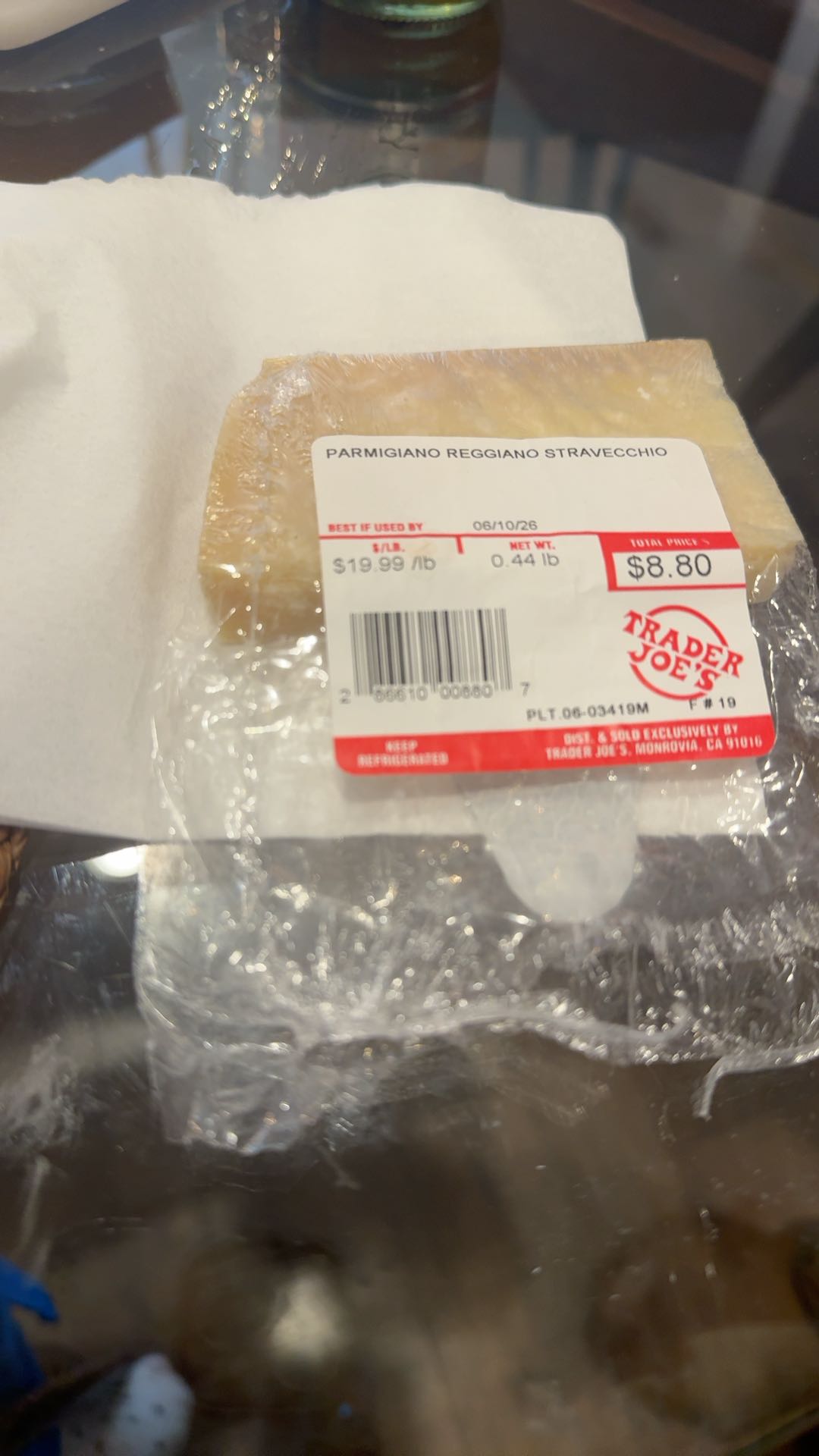
At a glance
Summary
This cheese product is made from pasteurized part-skim milk, salt, cheese cultures, and enzymes, which are typical ingredients for cheese, providing essential nutrients like calcium and protein. However, it includes cellulose powder as an anti-caking agent, which is a processed additive that does not contribute nutritional value. The presence of this additive and the processing level limit the score, despite the otherwise clean ingredient list.
Key ingredients 6
Pasteurized part-skim milkGood
A primary ingredient in cheese, providing essential nutrients like calcium and protein. Pasteurization ensures safety by eliminating harmful bacteria. Part-skim milk reduces fat content while maintaining nutritional value.
Benefits
Rich in calcium and protein, supporting bone health and muscle maintenance.
SaltNeutral
Commonly used in cheese for flavor and preservation. It is a refined ingredient without additional trace minerals. Excessive consumption can contribute to high blood pressure.
Risks
High sodium intake may lead to increased blood pressure and cardiovascular issues.
Benefits
Enhances flavor and acts as a preservative in cheese.
Cheese culturesNeutral
Essential for the fermentation process in cheese production. They help develop flavor and texture. The specific strains used are not detailed, which limits the assessment of their health impact.
Benefits
Contributes to the development of cheese flavor and texture.
EnzymesNeutral
Used to aid in the cheese-making process by breaking down milk proteins. Typically derived from animal or microbial sources. The specific type of enzyme is not specified, which limits detailed analysis.
Benefits
Facilitates the cheese-making process by aiding in protein breakdown.
AnnattoNeutral
A natural coloring agent derived from the seeds of the achiote tree. It is used to impart a yellow-orange hue to cheese. Generally considered safe with minimal health impact.
Risks
Rare allergic reactions have been reported in sensitive individuals.
Benefits
Provides natural color without synthetic dyes.
Cellulose powderBad
Used as an anti-caking agent to prevent cheese from clumping. It is a processed additive derived from plant fibers. While generally recognized as safe, it adds no nutritional value.
Risks
Excessive consumption of additives may lead to digestive discomfort.
Benefits
Prevents clumping, ensuring cheese remains free-flowing.
Processing
Processed Foods
Get the full breakdown in the Scout appTake Scout shopping
Scan any product to see lab results, healthy alternatives, and your personalized analysis.
Download on theApp Store GET IT ONGoogle Play