


At a glance
Summary
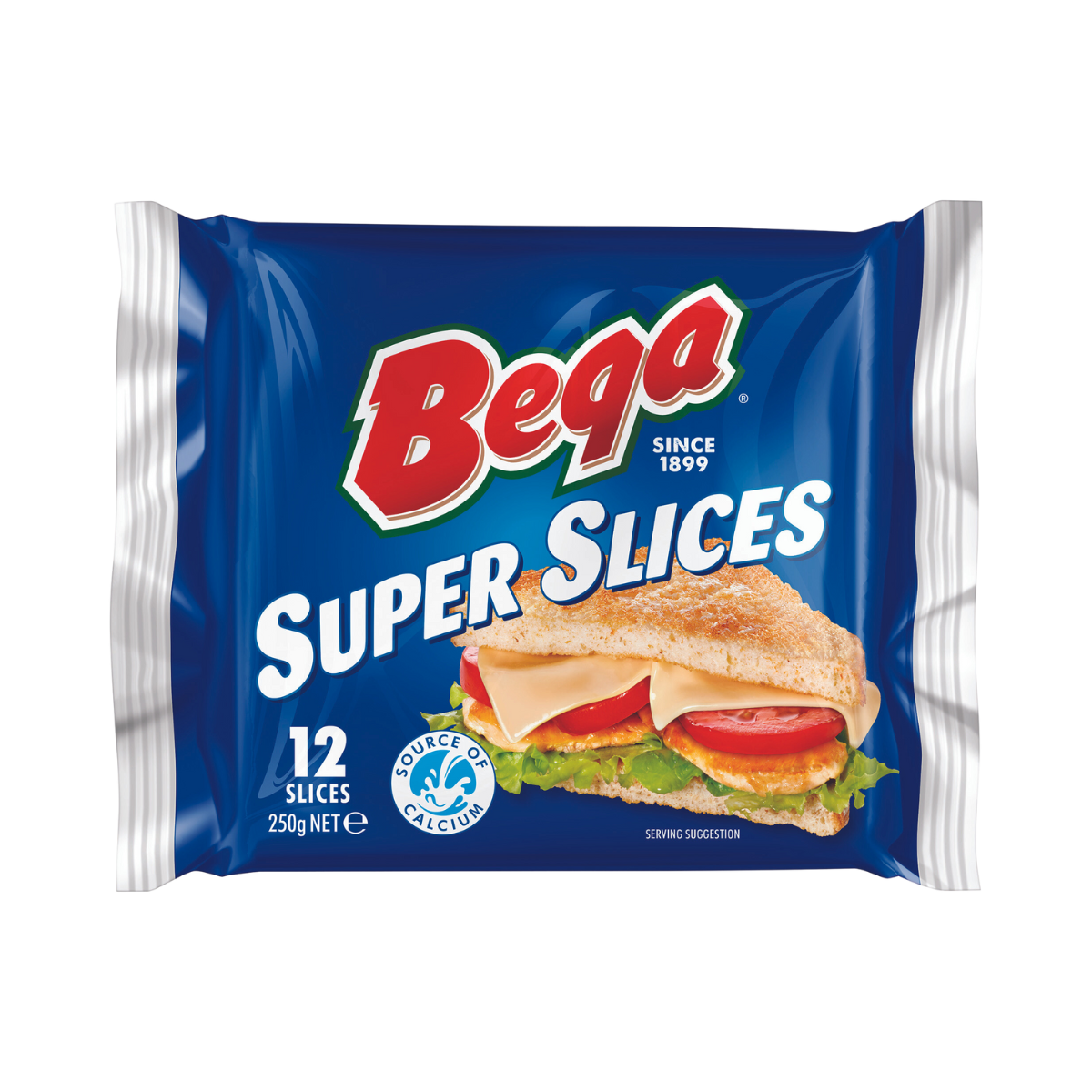
This product is a processed cheese with a moderate level of processing, indicated by the presence of emulsifiers and preservatives. While it contains beneficial ingredients like pasteurized milk and cultures, which provide essential nutrients, the use of synthetic additives such as emulsifiers impacts its overall healthiness. The processing level and presence of additives prevent it from scoring higher.
Key ingredients 9
Pasteurized MilkGood
Pasteurized milk is a primary source of calcium and protein, essential for bone health and muscle maintenance. The pasteurization process eliminates harmful bacteria, making it safe for consumption. It is a fundamental ingredient in cheese production, providing a rich nutrient profile.
Benefits
Rich in calcium and protein, supporting bone health and muscle function. Provides essential vitamins and minerals.
CulturesGood
Cultures are beneficial bacteria used in cheese making to develop flavor and texture. They play a crucial role in fermentation, enhancing the nutritional profile of cheese. These bacteria can also support gut health.
Benefits
Supports fermentation, enhancing flavor and texture. May contribute to gut health by providing beneficial bacteria.
SaltNeutral
Salt is used to enhance flavor and act as a preservative in cheese. It is a common ingredient in processed foods, contributing to sodium intake. While necessary in small amounts, excessive consumption can lead to health issues.
Risks
High sodium intake can contribute to hypertension and cardiovascular diseases.
Benefits
Enhances flavor and acts as a preservative in cheese production.
EnzymeNeutral
Enzymes like rennet are used in cheese making to coagulate milk, forming curds. They are essential for the cheese production process but do not significantly impact nutritional value. The use of microbial or animal-derived enzymes varies based on production methods.
Benefits
Essential for coagulating milk in cheese production, aiding in curd formation.
WaterNeutral
Water is used in cheese production to control moisture content and texture. It is a neutral ingredient with no direct nutritional impact. Its presence is necessary for achieving the desired consistency in processed cheese.
Benefits
Helps control moisture content and texture in cheese production.
ButterNeutral
Butter adds richness and flavor to cheese, contributing to its creamy texture. It is a source of saturated fats, which should be consumed in moderation. The quality of butter can vary based on the source of cream used.
Risks
High in saturated fats, which may impact heart health if consumed in excess.
Benefits
Enhances flavor and texture, providing a creamy consistency.
Milk SolidsNeutral
Milk solids are concentrated sources of milk proteins and lactose, used to enhance texture and nutritional content. They provide essential nutrients but can be a concern for lactose-intolerant individuals. Their use is common in processed cheese to improve consistency.
Risks
May cause digestive issues for lactose-intolerant individuals.
Benefits
Enhances texture and nutritional content by providing proteins and lactose.
PreservativeNeutral
Preservatives like E200 are used to extend shelf life by preventing microbial growth. They are common in processed foods but should be consumed in moderation. Their safety is generally recognized, but some individuals may have sensitivities.
Risks
Some individuals may experience sensitivities or allergic reactions.
Benefits
Extends shelf life by preventing spoilage and microbial growth.
EmulsifierBad
Emulsifiers like E331 are used to stabilize processed cheese, ensuring a smooth texture. They are synthetic additives that can impact gut health when consumed in large amounts. Their presence indicates a higher level of processing.
Risks
May disrupt gut microbiota and contribute to digestive issues when consumed in excess.
Benefits
Helps maintain a smooth and stable texture in processed cheese.
Processing
Processed Foods
Get the full breakdown in the Scout appTake Scout shopping
Scan any product to see lab results, healthy alternatives, and your personalized analysis.
Download on theApp Store GET IT ONGoogle Play