



At a glance
Summary
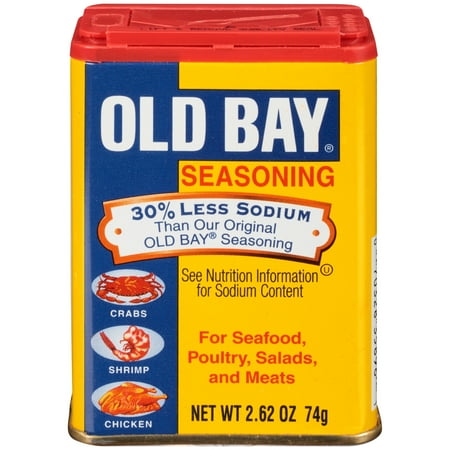
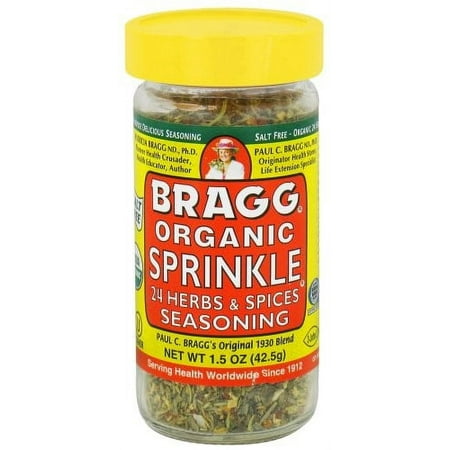
This seasoning blend consists of mostly whole spices and herbs, which are minimally processed and provide various health benefits such as antioxidants and digestive support. The presence of salt as a primary ingredient is typical for seasonings but should be used in moderation. The product's processing level is low, with no artificial additives or harmful ingredients, contributing to its favorable rating.
Key ingredients 9
PaprikaGood
Paprika is a spice made from ground peppers, providing flavor and color. It contains antioxidants like vitamin A and capsaicin. These compounds may support eye health and reduce inflammation.
Benefits
Rich in antioxidants that may help reduce inflammation and support immune function.
CorianderGood
Coriander is a spice derived from the seeds of the cilantro plant. It is known for its digestive benefits and potential to lower blood sugar levels. The spice is rich in antioxidants and essential oils.
Benefits
May aid digestion and has potential anti-inflammatory properties.
Cayenne pepperGood
Cayenne pepper is a hot spice that contains capsaicin, known for its metabolism-boosting properties. It may help reduce hunger and improve digestive health. The spice is also rich in vitamins A and C.
Risks
May cause irritation in sensitive individuals or when consumed in large amounts.
Benefits
Can boost metabolism and provide anti-inflammatory benefits.
Black pepperGood
Black pepper is a common spice that enhances flavor and aids digestion. It contains piperine, which may improve nutrient absorption. The spice also has antioxidant properties.
Risks
Excessive consumption may cause gastrointestinal irritation.
Benefits
Enhances nutrient absorption and provides antioxidant benefits.
GarlicGood
Garlic is a flavorful herb known for its health benefits, including cardiovascular support. It contains allicin, which has antimicrobial and antioxidant properties. Regular consumption may support immune function.
Risks
May cause digestive discomfort in some individuals.
Benefits
Supports heart health and has antimicrobial properties.
CeleryGood
Celery is a low-calorie vegetable that provides dietary fiber and vitamins. It is known for its hydrating properties and potential to reduce inflammation. Celery also contains antioxidants like flavonoids.
Benefits
Provides hydration and may help reduce inflammation.
CuminGood
Cumin is a spice with a warm flavor, known for its digestive benefits. It contains antioxidants and may help improve blood sugar control. The spice is also rich in iron.
Benefits
May aid digestion and support immune function.
SaltNeutral
Salt is a common seasoning used to enhance flavor in foods. It is a refined product without additional minerals. While necessary for bodily functions, excessive intake can lead to health issues.
Risks
High sodium intake can contribute to hypertension and cardiovascular diseases.
Benefits
Essential for maintaining fluid balance and nerve function in the body.
Rice flourNeutral
Rice flour is a gluten-free flour alternative used as a thickening agent. It is minimally processed and provides carbohydrates. However, it lacks significant nutritional benefits compared to whole grains.
Benefits
Provides a gluten-free option for those with celiac disease or gluten sensitivity.
Processing
Processed Culinary Ingredients
Get the full breakdown in the Scout appTake Scout shopping
Scan any product to see lab results, healthy alternatives, and your personalized analysis.
Download on theApp Store GET IT ONGoogle Play