


At a glance
Summary
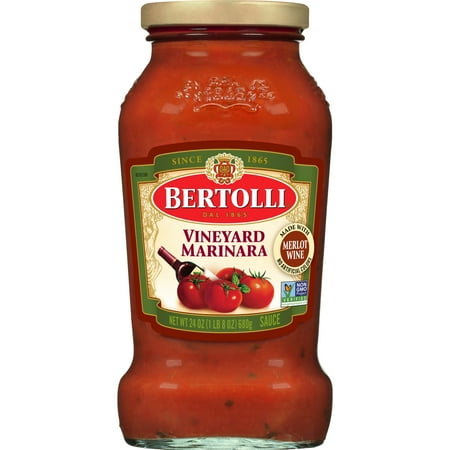
This sauce contains beneficial ingredients such as tomato puree, diced tomatoes, onions, and extra virgin olive oil, which contribute to its nutritional value and flavor. However, the presence of added sugar and the processing level limit its health score. The product is processed, which restricts its maximum potential score, despite having a relatively clean ingredient list with minimal additives.
Key ingredients 11
Extra virgin olive oilVery Good
Extra virgin olive oil is a high-quality oil rich in monounsaturated fats and antioxidants. It is cold-pressed, preserving its nutritional integrity and health benefits. This oil supports heart health and has anti-inflammatory properties.
Benefits
Rich in monounsaturated fats that support heart health and provide anti-inflammatory properties. Contains antioxidants like vitamin E and polyphenols that may reduce oxidative stress.
Tomato pureeGood
Tomato puree is a concentrated source of vitamins and antioxidants, particularly lycopene. It is minimally processed, retaining most of the nutritional benefits of fresh tomatoes. The puree provides a rich flavor base for sauces and soups.
Benefits
Rich in lycopene, which may reduce the risk of certain chronic diseases. Provides vitamins A and C, supporting immune function and skin health.
Diced tomatoesGood
Diced tomatoes are a source of essential nutrients and antioxidants, including vitamin C and lycopene. They are lightly processed, maintaining the nutritional profile of fresh tomatoes. This ingredient adds texture and flavor to dishes.
Benefits
Provides antioxidants that support heart health and may reduce inflammation. Contains fiber, which aids in digestion.
OnionsGood
Onions are a nutrient-dense vegetable rich in vitamins, minerals, and antioxidants. They are known for their anti-inflammatory and immune-boosting properties. Onions add flavor and nutritional value to dishes.
Benefits
Contains antioxidants that may reduce the risk of chronic diseases. Provides vitamin C, supporting immune health.
Olive oilGood
Olive oil is a healthy fat rich in monounsaturated fatty acids and antioxidants. It is known for its heart health benefits and anti-inflammatory properties. The oil is typically cold-pressed, preserving its nutritional quality.
Benefits
Supports heart health and may reduce inflammation. Contains antioxidants that protect against oxidative stress.
GarlicGood
Garlic is a flavorful herb with numerous health benefits, including antimicrobial and anti-inflammatory properties. It is rich in sulfur compounds that may support heart health. Garlic enhances the taste and nutritional profile of dishes.
Benefits
May support cardiovascular health and boost the immune system. Contains antioxidants that protect against cell damage.
SpicesGood
Whole-food seasonings, antioxidant-bearing.
Benefits
May provide antioxidants and enhance the flavor profile of dishes.
Burgundy wineNeutral
Burgundy wine is used in cooking to enhance flavor and add depth to dishes. It is an alcoholic beverage that loses most of its alcohol content during cooking. The wine contributes to the sauce's complexity without significant nutritional impact.
Risks
Excessive consumption of alcohol can lead to health issues, but cooking typically reduces alcohol content significantly.
Benefits
Adds rich flavor and complexity to dishes without significant nutritional benefits.
SaltNeutral
Salt is used to enhance flavor and preserve food. It is a source of sodium, which is essential for fluid balance and nerve function. However, excessive intake can lead to health issues.
Risks
High sodium intake is associated with increased blood pressure and cardiovascular risk.
Benefits
Essential for maintaining fluid balance and nerve function.
Citric acidNeutral
Citric acid is a natural preservative and flavor enhancer commonly used in food products. It is generally recognized as safe and helps maintain the product's acidity and freshness. Citric acid is naturally found in citrus fruits.
Benefits
Helps preserve food and enhance flavor without significant nutritional benefits.
SugarBad
Refined sugar is a source of empty calories with no essential nutrients. It can contribute to weight gain and increase the risk of chronic diseases when consumed in excess. The sugar in this product is likely added for taste enhancement.
Risks
High consumption of refined sugar is linked to obesity, type 2 diabetes, and heart disease.
Processing
Processed Foods
Get the full breakdown in the Scout appTake Scout shopping
Scan any product to see lab results, healthy alternatives, and your personalized analysis.
Download on theApp Store GET IT ONGoogle Play