
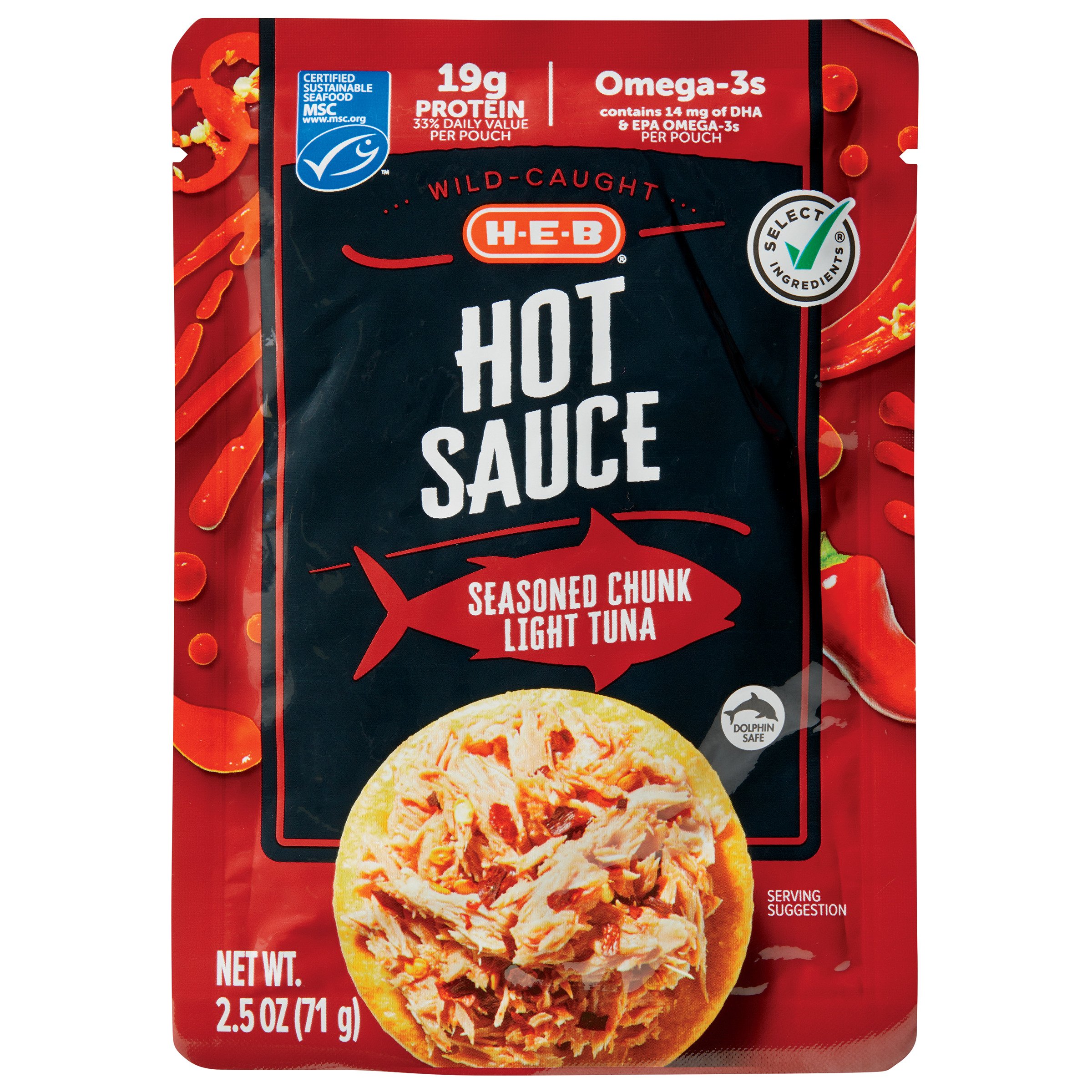


Hot sauce light tuna
Analysis updated May 2026 · How Scout scores
At a glance
Summary
This product contains beneficial ingredients like tuna, garlic, and red pepper paste, which provide protein and antioxidants. However, the presence of soybean oil, a seed oil high in omega-6 fatty acids, and added sugar, which can contribute to inflammation and other health issues, negatively impact its healthiness. The product is moderately processed, which further limits its score despite the presence of some nutritious components.
Key ingredients 13
TunaVery Good
Tuna is a high-quality source of protein and essential omega-3 fatty acids. It supports heart health and provides important nutrients like vitamin D and selenium. Wild-caught tuna is generally preferred for its lower mercury content compared to farmed varieties.
Risks
Potential mercury content can be a concern, especially for pregnant women and young children.
Benefits
Rich in protein and omega-3 fatty acids, which are beneficial for cardiovascular health and cognitive function.
Red Pepper PasteGood
Red pepper paste adds flavor and a source of vitamins A and C. It is made from ground red peppers and may include additional spices. The paste enhances the product's taste profile while providing antioxidants.
Risks
Potential for mild digestive discomfort in sensitive individuals.
Benefits
Contains vitamins A and C, which support immune function and skin health.
Red Pepper PowderGood
Red pepper powder adds spice and contains capsaicin, which may have metabolism-boosting properties. It is a source of antioxidants and vitamins. The powder enhances flavor while providing potential health benefits.
Risks
May cause digestive discomfort in sensitive individuals.
Benefits
Contains capsaicin, which may boost metabolism and provide antioxidant benefits.
GarlicGood
Garlic is known for its potential health benefits, including antimicrobial and cardiovascular support. It contains sulfur compounds that may help reduce blood pressure and cholesterol levels. Fresh garlic is preferred for its higher allicin content.
Risks
May cause digestive upset or allergic reactions in some individuals.
Benefits
Supports cardiovascular health and has antimicrobial properties.
OnionGood
Onion is a flavorful vegetable that provides antioxidants and vitamins. It contains quercetin, which may have anti-inflammatory effects. Onions enhance the taste of dishes while offering potential health benefits.
Risks
May cause digestive discomfort or allergic reactions in some individuals.
Benefits
Rich in antioxidants and may have anti-inflammatory properties.
SpicesGood
Whole-food seasonings, antioxidant-bearing.
Benefits
May provide antioxidants and enhance flavor without adding calories.
WaterNeutral
Water is used as a solvent and carrier in many food products. It does not contribute any calories or nutrients. Its presence ensures the product maintains moisture and consistency.
See more about Water →SaltNeutral
Salt is used to enhance flavor and preserve food. It is essential for maintaining fluid balance and nerve function. However, excessive intake can lead to hypertension and cardiovascular issues.
Risks
High intake may increase the risk of hypertension and cardiovascular disease.
Benefits
Essential for fluid balance and nerve function when consumed in moderation.
Soy SauceNeutral
Soy sauce is a fermented condiment that adds umami flavor to dishes. It is made from soybeans, wheat, and salt. While it enhances taste, it is high in sodium and should be used in moderation.
Risks
High sodium content can contribute to hypertension if consumed in excess.
Benefits
Adds umami flavor and contains some amino acids from fermentation.
Hot SauceNeutral
Hot sauce is a condiment made from vinegar, red pepper, and salt. It adds heat and flavor to dishes. The vinegar content may have mild preservative effects.
Risks
May cause digestive discomfort in sensitive individuals.
Benefits
Adds flavor and may have mild preservative properties due to vinegar.
Paprika OleoresinNeutral
Paprika oleoresin is a natural extract used for coloring and flavoring. It is derived from paprika and contains carotenoids. While it enhances color, it does not provide significant nutritional benefits.
Benefits
Provides natural coloring and flavoring without artificial additives.
SugarBad
Sugar is a refined carbohydrate that provides quick energy but lacks essential nutrients. Excessive consumption can lead to health issues such as obesity and diabetes. It is often added to enhance flavor but should be consumed in moderation.
Risks
Excessive intake can contribute to obesity, insulin resistance, and dental cavities.
Benefits
Provides quick energy but should be limited due to lack of nutritional value.
Soybean OilVery Bad
Soybean oil is a seed oil high in omega-6 fatty acids, which can promote inflammation when consumed in excess. It is often highly processed and refined. The oil's extraction and refining process can strip away beneficial nutrients.
Risks
High omega-6 content may promote inflammation and imbalance omega-3 to omega-6 ratio.
Processing
Processed Foods
Get the full breakdown in the Scout appTake Scout shopping
Scan any product to see lab results, healthy alternatives, and your personalized analysis.
Download on theApp Store GET IT ONGoogle PlayAmazon pricing & content
Amazon price as of . Product prices and availability are accurate as of the date/time indicated and are subject to change. Any price and availability information displayed on Amazon.com at the time of purchase will apply to the purchase of this product.
CERTAIN CONTENT THAT APPEARS ON THIS SITE COMES FROM AMAZON. THIS CONTENT IS PROVIDED “AS IS” AND IS SUBJECT TO CHANGE OR REMOVAL AT ANY TIME.