


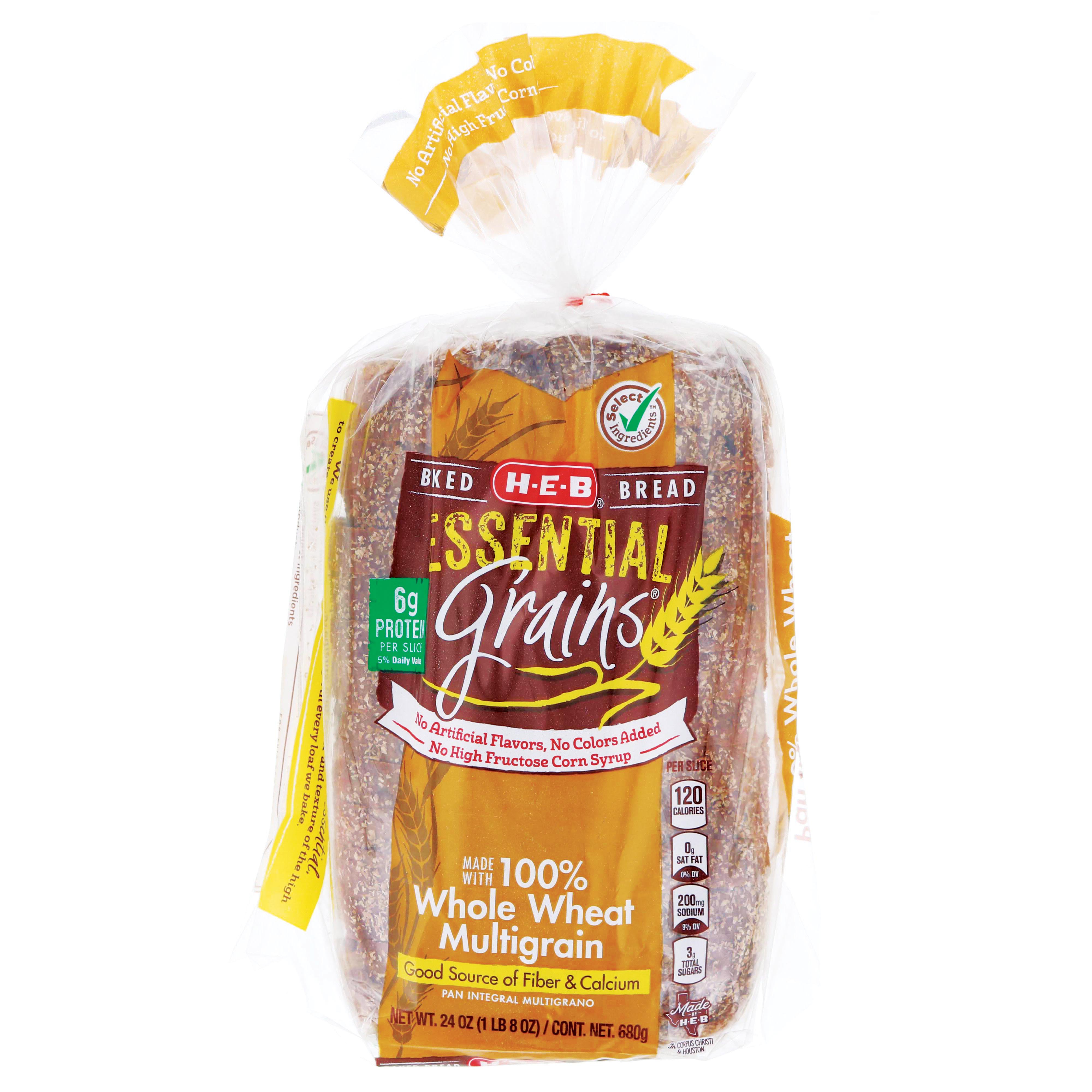

At a glance
Summary
This whole wheat bread contains several beneficial ingredients such as whole wheat flour, flax seed meal, and acerola cherry powder, which enhance its nutritional profile with fiber, omega-3s, and antioxidants. However, the presence of refined sugar and expeller pressed canola oil, a seed oil, detracts from its healthiness due to potential inflammatory effects. The bread is moderately processed, which limits its score despite the inclusion of some nutritious components.
Key ingredients 16
Flax Seed MealVery Good
Flax seed meal is rich in omega-3 fatty acids, fiber, and lignans, offering numerous health benefits. It supports heart health and has anti-inflammatory properties. Its inclusion in bread enhances nutritional value significantly.
Risks
May cause digestive discomfort if consumed in large amounts.
Benefits
Rich in omega-3s and fiber, supporting heart health and reducing inflammation.
Whole Wheat FlourGood
Whole wheat flour retains the bran and germ, providing more fiber and nutrients than refined flour. It supports digestive health and offers a richer nutrient profile. Its inclusion enhances the bread's nutritional value.
Risks
May cause digestive discomfort in individuals with wheat sensitivities.
Benefits
Rich in fiber, vitamins, and minerals, supporting heart health and digestion.
HoneyGood
Honey is a natural sweetener with antioxidant properties. It provides a mild sweetness and can offer trace nutrients. Its use in moderation can enhance flavor without excessive sugar intake.
Risks
High consumption may lead to increased sugar intake.
Benefits
Contains antioxidants and can be a healthier alternative to refined sugars.
Wheat BranGood
Wheat bran is a high-fiber component of wheat that supports digestive health. It adds nutritional value by providing vitamins and minerals. Its inclusion in bread can improve overall fiber intake.
Risks
May cause digestive discomfort if consumed in large amounts.
Benefits
Rich in fiber, promoting healthy digestion and regularity.
Malted Barley FlourGood
Malted barley flour is used to enhance flavor and aid in fermentation. It provides enzymes that improve dough quality and texture. Its inclusion can enhance the bread's flavor profile naturally.
Benefits
Enhances flavor and aids in dough fermentation.
Acerola Cherry PowderGood
Acerola cherry powder is rich in vitamin C and antioxidants, offering health benefits. It can enhance the nutritional profile of bread by providing essential nutrients. Its use is beneficial for boosting antioxidant intake.
Benefits
Rich in vitamin C and antioxidants, supporting immune health.
WaterNeutral
Water is a fundamental ingredient in bread, necessary for dough formation and yeast activation. It is a neutral ingredient with no direct nutritional impact. Its primary role is functional in the baking process.
Benefits
Essential for hydration and dough consistency in bread making.
YeastNeutral
Yeast is a leavening agent that helps bread rise by producing carbon dioxide. It is a natural ingredient with no significant nutritional impact. Its primary function is to improve texture and volume.
Benefits
Contributes to the bread's texture and flavor development.
Wheat GlutenNeutral
Wheat gluten is added to improve dough elasticity and bread texture. It is a protein component of wheat and is generally safe for most people. However, it is not suitable for those with gluten intolerance or celiac disease.
Risks
Can cause adverse reactions in individuals with gluten sensitivity or celiac disease.
Benefits
Enhances bread texture and protein content.
SaltNeutral
Salt is used to enhance flavor and control yeast activity in bread. It is a common ingredient with no significant nutritional benefits. Excessive consumption can lead to health issues like hypertension.
Risks
High sodium intake can contribute to hypertension and cardiovascular issues.
Benefits
Enhances flavor and helps regulate yeast fermentation in baking.
Cultured Wheat FlourNeutral
Standard formulation ingredient — neither beneficial nor harmful at typical use.
Benefits
May support gut health through probiotic content.
VinegarNeutral
Vinegar is used to enhance flavor and act as a natural preservative. It is a neutral ingredient with no significant nutritional impact. Its primary role is functional in extending shelf life and improving taste.
Benefits
Acts as a natural preservative and flavor enhancer.
EnzymesNeutral
Enzymes are added to improve dough handling and bread texture. They are naturally occurring proteins that facilitate chemical reactions. Their use is common in baking to enhance product quality.
Benefits
Improves dough consistency and bread texture.
Wheat FlourBad
Refined grain flour stripped of bran and germ.
Risks
Refined wheat flour may contribute to blood sugar spikes and lacks fiber.
Benefits
Provides essential carbohydrates and energy, though less nutritious than whole grain alternatives.
SugarBad
Refined sugar is added for sweetness but offers no nutritional benefits. It can contribute to health issues like obesity and diabetes when consumed in excess. Its presence in bread should be minimal to avoid negative health impacts.
Risks
Excessive intake can lead to weight gain and increased risk of chronic diseases.
Benefits
Provides quick energy but lacks essential nutrients.
Expeller Pressed Canola OilVery Bad
Canola oil is a seed oil high in omega-6 fatty acids, which can promote inflammation. Expeller pressing is a mechanical extraction method, but the oil still poses health concerns. Its use should be minimized due to potential negative health impacts.
Risks
High omega-6 content may promote inflammation when consumed in excess.
Processing
Processed Foods
Get the full breakdown in the Scout appTake Scout shopping
Scan any product to see lab results, healthy alternatives, and your personalized analysis.
Download on theApp Store GET IT ONGoogle Play