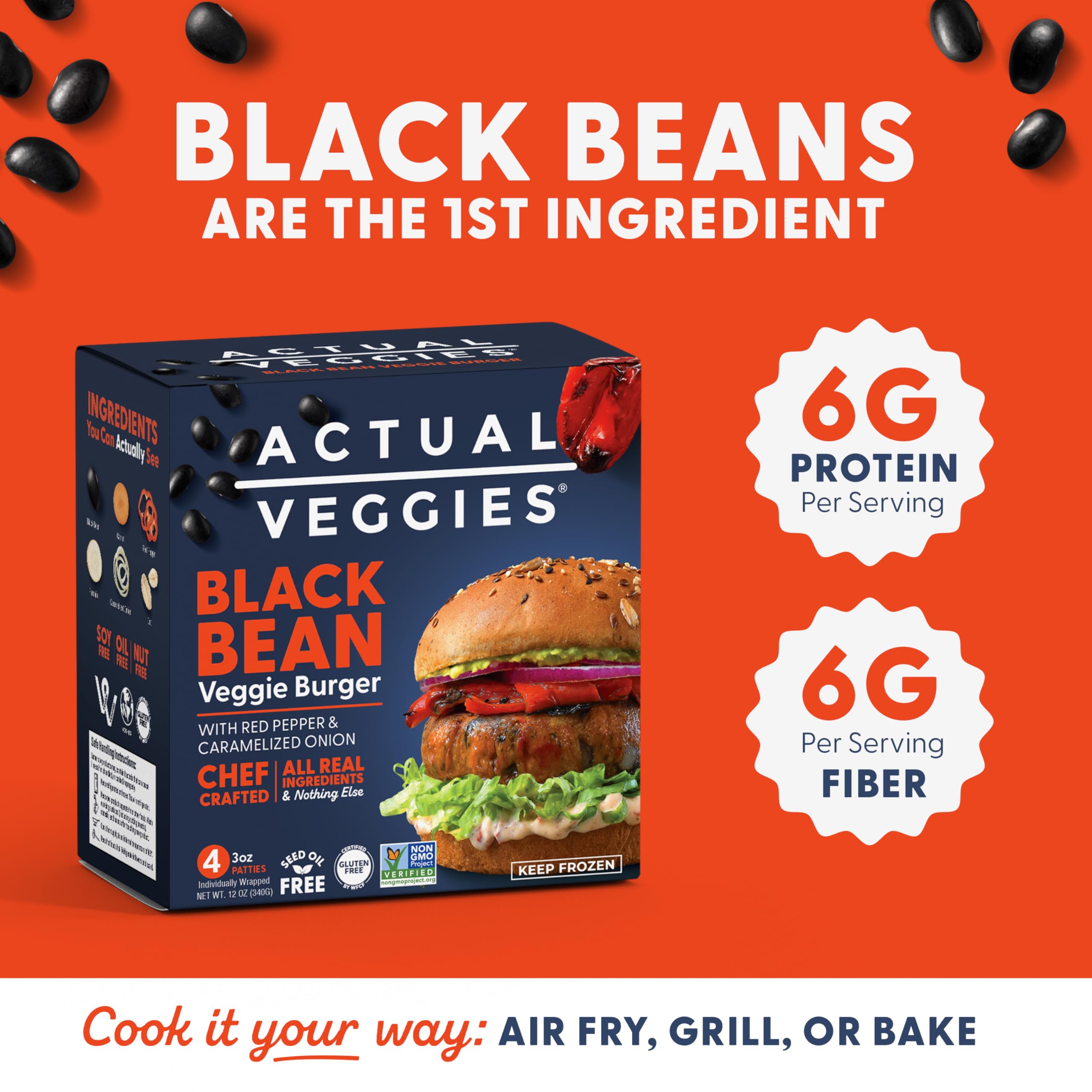
BLACK BEAN BURGER
At a glance
Summary
The black bean burger contains several beneficial ingredients such as black beans, brown rice, and vegetables, which provide protein, fiber, and essential nutrients. However, the presence of expeller pressed canola oil, a seed oil high in omega-6 fatty acids, is a concern due to its potential inflammatory effects. Additionally, the product is classified as ultra-processed, which limits its overall health rating despite the presence of whole food ingredients.
Key ingredients 15
Cooked black beansVery Good
Black beans are a rich source of protein and fiber, supporting digestive health and satiety. They contain essential nutrients like folate, iron, and magnesium. As a whole food, they provide a balanced nutrient profile with minimal processing.
Benefits
Rich in protein and fiber, supporting digestive health and providing essential nutrients like folate and iron.
Cooked brown riceGood
Brown rice is a whole grain that provides complex carbohydrates and fiber, aiding in sustained energy release. It contains essential nutrients such as manganese and selenium. The minimal processing retains its nutritional value compared to refined grains.
Benefits
Provides complex carbohydrates and fiber, supporting energy levels and digestive health.
OnionsGood
Onions are low in calories and rich in antioxidants, particularly quercetin, which may reduce inflammation. They add flavor and nutrients without significant calories. Their natural compounds may support heart health and immune function.
Benefits
Rich in antioxidants and natural compounds that may support heart health and reduce inflammation.
CornGood
Beneficial ingredient — whole-food or functional value in this product class.
Risks
Potential for GMO presence unless specified as non-GMO or organic.
Benefits
Provides carbohydrates and some fiber, contributing to energy intake.
Red peppersGood
Red peppers are rich in vitamins A and C, supporting immune function and skin health. They add flavor and color to dishes while providing antioxidants. Their natural sweetness enhances the taste profile of foods.
Benefits
Rich in vitamins A and C, providing antioxidants that support immune function and skin health.
Jalapeno peppersGood
Jalapeno peppers add spice and flavor, containing capsaicin which may boost metabolism. They are low in calories and provide vitamins A and C. Their spicy nature can enhance the sensory experience of foods.
Benefits
Contains capsaicin, which may boost metabolism and provides vitamins A and C.
GarlicGood
Garlic is known for its potential health benefits, including antimicrobial properties and cardiovascular support. It contains allicin, which may help reduce blood pressure and cholesterol levels. Its strong flavor enhances the taste of dishes.
Benefits
Contains allicin, which may support cardiovascular health and has antimicrobial properties.
CilantroGood
Cilantro is an herb rich in antioxidants and vitamins, adding flavor and freshness to dishes. It may aid in digestion and has been associated with detoxifying properties. Its use in culinary applications enhances both taste and nutritional value.
Benefits
Rich in antioxidants and vitamins, may aid digestion and provide detoxifying properties.
Chili powderGood
Chili powder adds spice and flavor, containing capsaicin which may have metabolism-boosting effects. It is a blend of spices that can enhance the taste profile of foods. Its use in moderation can contribute to a flavorful diet.
Benefits
Contains capsaicin, which may boost metabolism and enhance flavor.
Chipotle pepper powderGood
Chipotle pepper powder provides a smoky flavor and contains capsaicin, which may support metabolism. It is made from smoked and dried jalapenos, adding depth to dishes. Its antioxidant content may offer additional health benefits.
Benefits
Contains capsaicin and antioxidants, providing a smoky flavor and potential metabolism support.
Black pepperGood
Black pepper is a common spice that enhances flavor and may aid digestion. It contains piperine, which can improve the absorption of nutrients. Its use in culinary applications is widespread and beneficial.
Benefits
Contains piperine, which may improve nutrient absorption and aid digestion.
Potato flakesNeutral
Potato flakes are a processed form of potatoes, providing carbohydrates and some vitamins. They are often used as a thickening agent in processed foods. While they offer some nutrients, the processing reduces their overall nutritional value.
Risks
Potential for high glycemic index, affecting blood sugar levels.
Benefits
Provides carbohydrates and some vitamins, contributing to energy intake.
Wheat glutenNeutral
Wheat gluten is a protein derived from wheat, often used to improve texture in processed foods. It is a source of protein but may cause issues for those with gluten sensitivities or celiac disease. Its use in moderation is generally safe for those without sensitivities.
Risks
May cause adverse reactions in individuals with gluten sensitivities or celiac disease.
Benefits
Provides protein and improves texture in food products.
SaltNeutral
Salt is used to enhance flavor and preserve food, providing essential sodium for bodily functions. However, excessive intake can lead to health issues such as hypertension. It is a common ingredient in processed foods.
Risks
Excessive intake can lead to hypertension and other cardiovascular issues.
Benefits
Provides essential sodium necessary for various bodily functions.
Expeller pressed canola oilVery Bad
Canola oil is a seed oil high in omega-6 fatty acids, which may promote inflammation when consumed in excess. The expeller pressing method is a mechanical extraction process, but the oil still contains high levels of omega-6. It is considered a less healthy fat compared to alternatives like olive oil.
Risks
High omega-6 content may promote inflammation when consumed in excess.
Processing
Ultra-Processed Foods
Get the full breakdown in the Scout appTake Scout shopping
Scan any product to see lab results, healthy alternatives, and your personalized analysis.