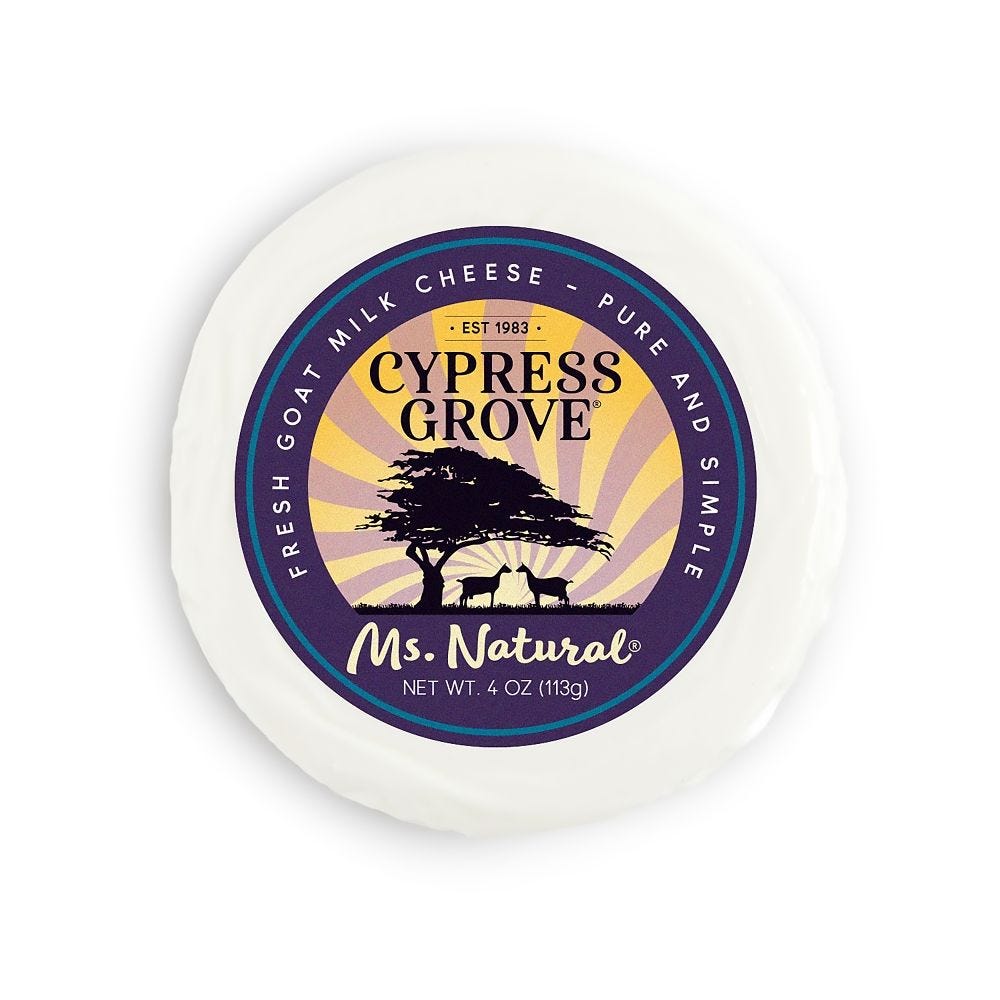
WHOLE MILK RICOTTA CHEESE, RICOTTA

At a glance
Summary
This ricotta cheese is ultra-processed due to the inclusion of stabilizers like modified food starch and carrageenan, which are used to enhance texture and shelf life but offer minimal nutritional value. While it contains beneficial ingredients like pasteurized milk and whey, the presence of these additives and its processing level limit its overall healthiness compared to more traditional, minimally processed cheeses.
Key ingredients 7
Pasteurized milkNeutral
Pasteurized milk is a common dairy ingredient providing essential nutrients like calcium and protein. The pasteurization process eliminates harmful bacteria but may reduce some beneficial enzymes. It is a standard ingredient in many dairy products.
Benefits
Provides calcium and protein, essential for bone health and muscle maintenance.
Pasteurized wheyNeutral
Pasteurized whey is a byproduct of cheese production, rich in protein and lactose. It is pasteurized to ensure safety by eliminating harmful bacteria. Whey is often used for its protein content in various food products.
Risks
May cause digestive issues for those with lactose intolerance.
Benefits
Rich in protein, supporting muscle growth and repair.
VinegarNeutral
Vinegar is used as an acidifying agent in cheese production. It is a natural ingredient that helps in curdling milk to form cheese. Vinegar is generally recognized as safe and has been used in food preservation for centuries.
Benefits
Acts as a natural preservative and acidifying agent in food production.
Guar gumNeutral
Guar gum is a natural thickening agent derived from guar beans. It is used to improve texture and consistency in food products. As a soluble fiber, it can aid in digestion when consumed in moderation.
Risks
Excessive consumption may lead to digestive discomfort.
Benefits
Can aid in digestion due to its soluble fiber content.
SaltNeutral
Salt is used for flavor enhancement and preservation in food products. It is a common ingredient in cheese making, contributing to taste and shelf life. While necessary in small amounts, excessive consumption can lead to health issues.
Risks
Excessive intake may contribute to high blood pressure and cardiovascular issues.
Benefits
Enhances flavor and acts as a preservative in food products.
Modified food starchBad
Modified food starch is used as a stabilizer and thickener in processed foods. It is chemically altered to improve texture and shelf life. While generally safe, it is a highly processed ingredient with minimal nutritional value.
Risks
May cause digestive issues in sensitive individuals and contributes to the ultra-processed nature of the product.
Benefits
Provides texture and stability to processed foods.
CarrageenanBad
Carrageenan is a seaweed-derived thickener and stabilizer used in many processed foods. It has been linked to digestive issues and inflammation in some studies. Despite its natural origin, its use in food products is controversial due to potential health concerns.
Risks
May cause digestive inflammation and discomfort in sensitive individuals.
Benefits
Provides thickening and stabilizing properties to food products.
Processing
Ultra-Processed Foods
Get the full breakdown in the Scout appTake Scout shopping
Scan any product to see lab results, healthy alternatives, and your personalized analysis.
Are you Frigo? Fix an error Get the badge Get tested