


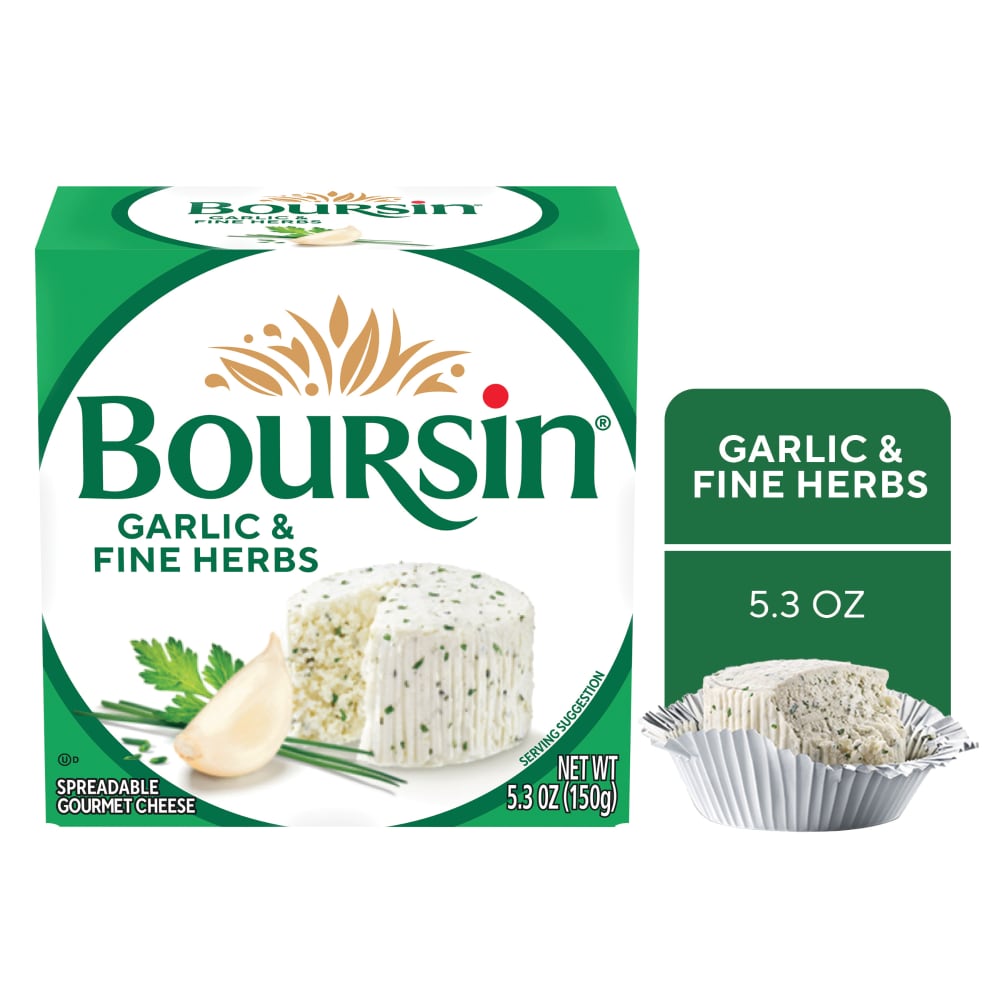

STRAWBERRY CREAM CHEESE SPREAD, STRAWBERRY
Analysis updated September 2026 · How Scout scores
At a glance
Summary
This strawberry cream cheese spread is ultra-processed, which limits its potential health score. While it contains beneficial ingredients like pasteurized milk and cream, strawberries, and cheese culture, it also includes refined sugar and natural flavors, which are less desirable. The presence of multiple additives such as modified corn starch and gums further contributes to its processing level, impacting its overall healthiness.
Key ingredients 15
Pasteurized milk and creamGood
Provides a source of high-quality protein and essential fats. Pasteurization ensures safety by eliminating harmful bacteria. It is a fundamental ingredient in cheese products, contributing to texture and flavor.
Benefits
Rich in protein and calcium, supporting bone health and muscle function.
StrawberriesGood
Natural source of vitamins, fiber, and antioxidants. Strawberries contribute to flavor and nutritional value in the product. They are minimally processed and retain most of their beneficial properties.
Risks
Potential allergen for some individuals.
Benefits
Rich in vitamin C and antioxidants, supporting immune function and reducing oxidative stress.
Cheese cultureGood
Essential for the fermentation process in cheese making, contributing to flavor and texture. Cheese cultures are beneficial for gut health due to probiotic properties. They are a natural part of traditional cheese production.
Benefits
Supports gut health and enhances flavor through fermentation.
HoneyGood
Traditional whole-food sweetener with trace enzymes and antioxidants.
Risks
High in sugars and calories, which can contribute to weight gain if consumed in excess.
Benefits
Contains antioxidants and has a lower glycemic index than refined sugar.
WaterNeutral
Used as a solvent and to adjust texture in food products. It is a neutral ingredient with no direct nutritional impact. Commonly used in processed foods to achieve desired consistency.
See more about Water →SaltNeutral
Used for flavor enhancement and preservation in food products. Regular table salt lacks the trace minerals found in unrefined salts. It is a common ingredient in processed foods.
Risks
Excessive consumption can lead to high blood pressure and cardiovascular issues.
Benefits
Essential for maintaining fluid balance and nerve function.
Modified corn starchNeutral
Used as a thickening agent to improve texture and stability. It is a processed ingredient derived from corn. Commonly used in processed foods for consistency.
Risks
May cause digestive issues in sensitive individuals.
Benefits
Improves texture and stability in food products.
Guar gumNeutral
A natural thickening agent derived from guar beans. Used to improve texture and consistency in processed foods. It is generally considered safe and has minimal nutritional impact.
Risks
Excessive consumption may cause digestive discomfort.
Benefits
Helps stabilize and thicken food products.
Fruit and vegetable juice (color)Neutral
Used as a natural coloring agent in food products. Provides color without synthetic dyes. Derived from natural sources, contributing to visual appeal.
Benefits
Adds natural color without synthetic additives.
Citric acidNeutral
Used as a preservative and to add acidity in food products. It is naturally found in citrus fruits and is widely used in the food industry. Helps maintain freshness and flavor stability.
Risks
May cause irritation in sensitive individuals when consumed in large amounts.
Benefits
Enhances flavor and preserves freshness.
Carob bean gumNeutral
A natural thickening agent derived from carob seeds. Used to improve texture and consistency in processed foods. It is generally considered safe and has minimal nutritional impact.
Risks
Excessive consumption may cause digestive discomfort.
Benefits
Helps stabilize and thicken food products.
Xanthan gumNeutral
A polysaccharide used as a thickening and stabilizing agent. It is produced through fermentation of sugars by Xanthomonas campestris. Commonly used in gluten-free and processed foods for texture.
Risks
May cause digestive issues in sensitive individuals.
Benefits
Improves texture and stability in food products.
NatamycinNeutral
A natural mold inhibitor used to extend shelf life of dairy products. It is derived from natural sources and is effective in preventing spoilage. Widely used in the food industry for its preservative properties.
Benefits
Prevents mold growth, extending product shelf life.
SugarBad
Refined sugar contributes to increased calorie intake without providing essential nutrients. Excessive consumption is linked to obesity, diabetes, and other metabolic disorders. It is often used to enhance sweetness in processed foods.
Risks
High intake can lead to weight gain, insulin resistance, and dental cavities.
Benefits
Provides quick energy but lacks essential nutrients.
Natural flavorBad
A catch-all term that can include a variety of chemical compounds to enhance flavor. Lack of transparency in ingredient sourcing and processing. Often used in processed foods to mimic natural flavors.
Risks
Potential for undisclosed allergens and synthetic additives.
Benefits
Enhances flavor without adding calories.
Processing
Ultra-Processed Foods
Get the full breakdown in the Scout appTake Scout shopping
Scan any product to see lab results, healthy alternatives, and your personalized analysis.
Download on theApp Store GET IT ONGoogle Play