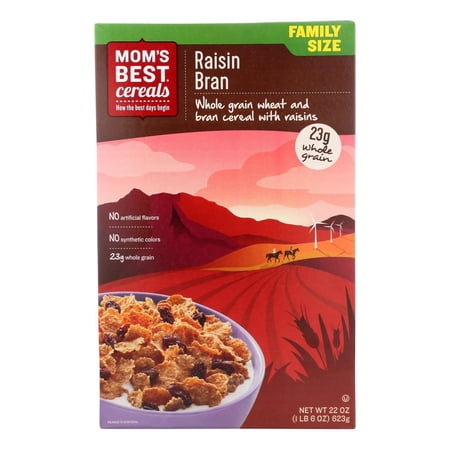
WHOLE GRAIN WHEAT AND BRAN CEREAL WITH RAISINS
At a glance
Summary
This cereal contains beneficial ingredients like whole grain wheat, raisins, and wheat bran, which provide fiber and essential nutrients. However, the presence of refined sugar and the processed nature of the product limit its health benefits. The added sugar contributes to increased calorie intake without nutritional value, and the processing level restricts the overall score. Its plastic packaging can shed microplastics into the food and lowers its score.
Key ingredients 12
Whole grain wheatVery Good
Whole grain wheat is a minimally processed ingredient rich in fiber and essential nutrients. It supports digestive health and provides sustained energy. The presence of bran and germ enhances its nutritional profile.
Benefits
Rich in dietary fiber, vitamins, and minerals, supporting heart health and digestion. Provides complex carbohydrates for sustained energy.
RaisinsGood
Raisins are dried grapes that provide natural sugars and antioxidants. They offer a source of quick energy and contain beneficial plant compounds. Their natural sweetness can reduce the need for added sugars.
Risks
May contribute to high sugar intake if consumed in excess.
Benefits
Rich in antioxidants and natural sugars, providing quick energy and supporting overall health.
Wheat branGood
Wheat bran is a high-fiber component of wheat that aids in digestion and promotes satiety. It is minimally processed and retains essential nutrients. Its inclusion enhances the fiber content of the product.
Benefits
High in dietary fiber, promoting digestive health and helping to maintain healthy cholesterol levels.
Barley malt extractNeutral
Barley malt extract is a natural sweetener derived from barley grains. It adds flavor and color to foods. It is less processed than refined sugars but still contributes to sugar content.
Risks
May contribute to sugar intake if consumed in large amounts.
Benefits
Provides a natural source of sweetness and flavor with some trace nutrients.
SaltNeutral
Salt is used to enhance flavor and preserve food. It is a common culinary ingredient. Excessive consumption can lead to health issues.
Risks
High sodium intake is associated with increased blood pressure and cardiovascular risk.
Benefits
Essential for maintaining fluid balance and nerve function in the body.
Reduced ironNeutral
Reduced iron is added to fortify foods with essential minerals. It helps prevent iron deficiency anemia. It is a common fortification practice in cereals.
Risks
Excessive iron intake can lead to toxicity, especially in individuals with certain health conditions.
Benefits
Supports the production of hemoglobin and overall energy levels.
Thiamin mononitrateNeutral
Thiamin mononitrate is a synthetic form of vitamin B1 used to fortify foods. It supports energy metabolism and nerve function. It is commonly added to cereals to enhance nutritional value.
Benefits
Essential for energy production and proper nerve function.
NiacinamideNeutral
Niacinamide is a form of vitamin B3 used in food fortification. It supports energy metabolism and skin health. It is a standard addition to fortified cereals.
Benefits
Contributes to energy production and supports healthy skin.
Calcium pantothenateNeutral
Calcium pantothenate is a form of vitamin B5 used to fortify foods. It plays a role in energy metabolism and the synthesis of coenzyme A. It is commonly used in fortified cereals.
Benefits
Supports energy metabolism and the synthesis of essential coenzymes.
Pyridoxine hydrochlorideNeutral
Pyridoxine hydrochloride is a form of vitamin B6 used in food fortification. It is important for protein metabolism and cognitive development. It is a common fortification in cereals.
Benefits
Essential for protein metabolism and cognitive health.
Folic acidNeutral
Folic acid is a synthetic form of vitamin B9 used to fortify foods. It is crucial for DNA synthesis and cell division. It is commonly added to cereals to prevent deficiencies.
Risks
Excessive intake may mask vitamin B12 deficiency symptoms.
Benefits
Supports DNA synthesis and is essential for cell division and growth.
SugarBad
Refined sugar is a processed ingredient that contributes to increased calorie intake without providing essential nutrients. It can lead to spikes in blood sugar levels. Excessive consumption is linked to various health issues.
Risks
High intake may increase the risk of obesity, type 2 diabetes, and dental cavities.
Benefits
Provides quick energy but lacks significant nutritional benefits.
Processing
Processed Foods
Get the full breakdown in the Scout appTake Scout shopping
Scan any product to see lab results, healthy alternatives, and your personalized analysis.
Are you Mom's Best Cereals? Fix an error Get the badge Get tested