
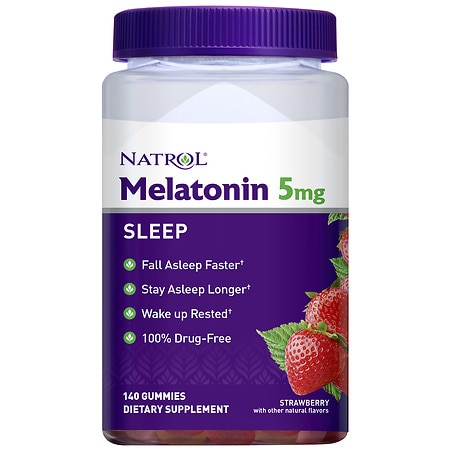

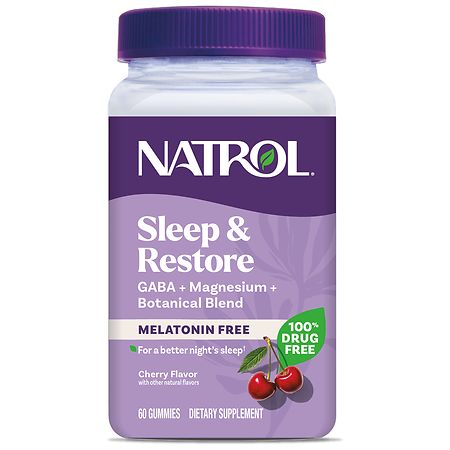
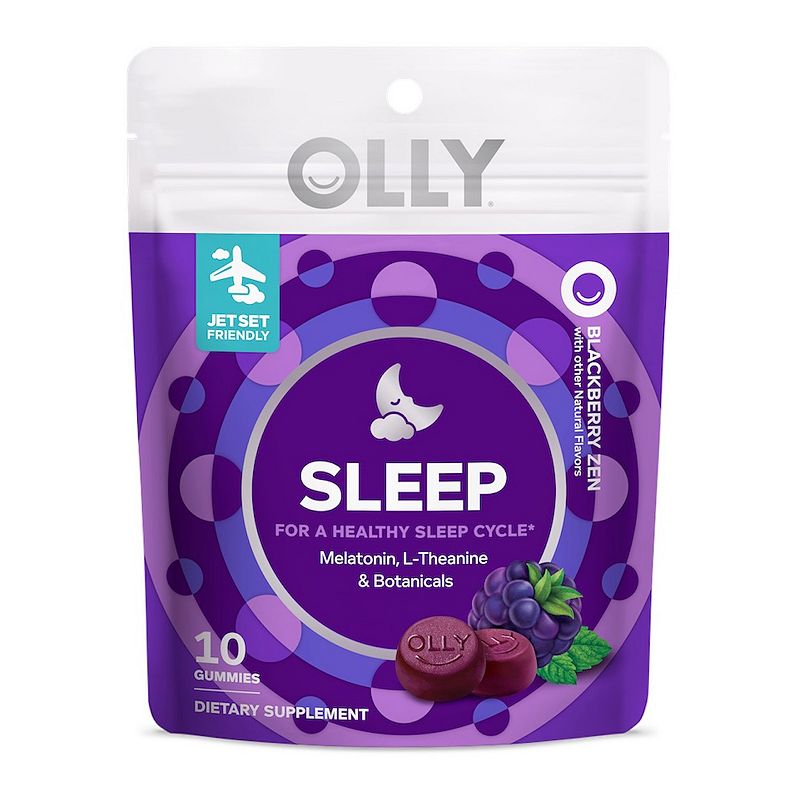
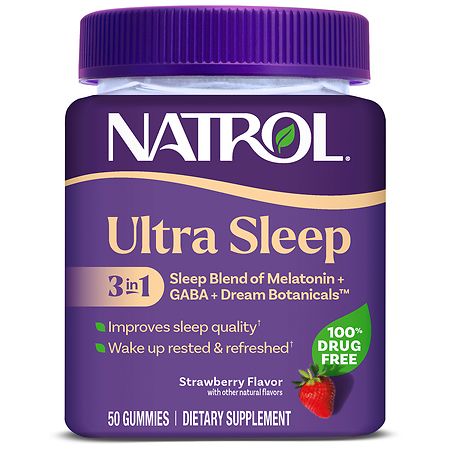
Natrol Melatonin 5mg Sleep Aid Gummies - Strawberry - 140ct
Analysis updated September 2026 · How Scout scores
At a glance
Summary
This sleep aid supplement contains melatonin and is formulated with a few additives like cane sugar and natural flavors, which are common in gummy supplements but can be seen as less desirable due to their potential health impacts. The product is moderately processed, with a simple ingredient list that includes some natural components like fruit and vegetable juice for coloring. While it lacks the transparency and purity of top-tier supplements, it remains a viable option for those seeking a convenient melatonin source.
Key ingredients 10
Coconut OilGood
Beneficial ingredient — whole-food or functional value in this product class.
Risks
High in saturated fats, which may impact heart health if consumed in excess.
Benefits
Contains medium-chain triglycerides that may provide quick energy.
WaterNeutral
Water is used as a solvent and carrier in many food products. It is essential for hydration and does not contribute calories or nutrients. In this context, it serves a functional purpose without health risks.
Benefits
Essential for hydration and supports the consistency of the product.
Citric AcidNeutral
Citric acid is a natural preservative and flavor enhancer found in citrus fruits. It is commonly used to add a sour taste and stabilize products. While generally safe, excessive consumption can cause dental erosion.
Risks
May contribute to dental erosion if consumed in large amounts.
Benefits
Acts as a preservative and enhances flavor without significant health concerns.
Carnauba WaxNeutral
Carnauba wax is a natural wax derived from the leaves of the carnauba palm. It is used as a glazing agent to provide a shiny appearance to gummies. It is considered safe for consumption in small amounts.
Benefits
Provides a glossy finish and helps maintain product stability.
Fruit And Vegetable JuiceNeutral
Fruit and vegetable juice is used as a natural coloring agent in food products. It provides color without the use of artificial dyes. However, it does not contribute significant nutritional value in small amounts.
Benefits
Offers natural coloring without artificial additives.
PectinNeutral
Pectin is a natural gelling agent derived from fruits, commonly used to thicken and stabilize products. It is a source of dietary fiber but is present in small amounts in gummies. It is generally considered safe and beneficial for digestive health.
Benefits
Provides dietary fiber and aids in product consistency.
Sodium CitrateNeutral
Sodium citrate is a salt of citric acid used as a preservative and acidity regulator. It helps maintain the stability and flavor of food products. It is generally recognized as safe when used in moderation.
Risks
Excessive intake may lead to an imbalance in electrolytes.
Benefits
Helps regulate acidity and preserve product quality.
Tapioca SyrupBad
Processed additive flagged under Scout's ingredient doctrine.
Risks
Excessive consumption may contribute to increased blood sugar levels.
Cane SugarBad
Cane sugar is a refined sweetener that can contribute to increased calorie intake and blood sugar levels. It is often criticized for its role in promoting obesity and metabolic disorders. Its presence in supplements is generally discouraged due to potential health impacts.
Risks
High consumption can lead to weight gain, insulin resistance, and dental issues.
Natural FlavorsBad
Natural flavors are complex mixtures created to enhance taste, often derived from plant or animal sources. They lack transparency and can include a wide range of substances. Their use is often criticized for not providing clear ingredient information.
Risks
Potential allergens and unknown additives may be present.
Benefits
Enhances flavor without adding calories.
Processing
Processed Foods
Get the full breakdown in the Scout appTake Scout shopping
Scan any product to see lab results, healthy alternatives, and your personalized analysis.
Download on theApp Store GET IT ONGoogle Play