


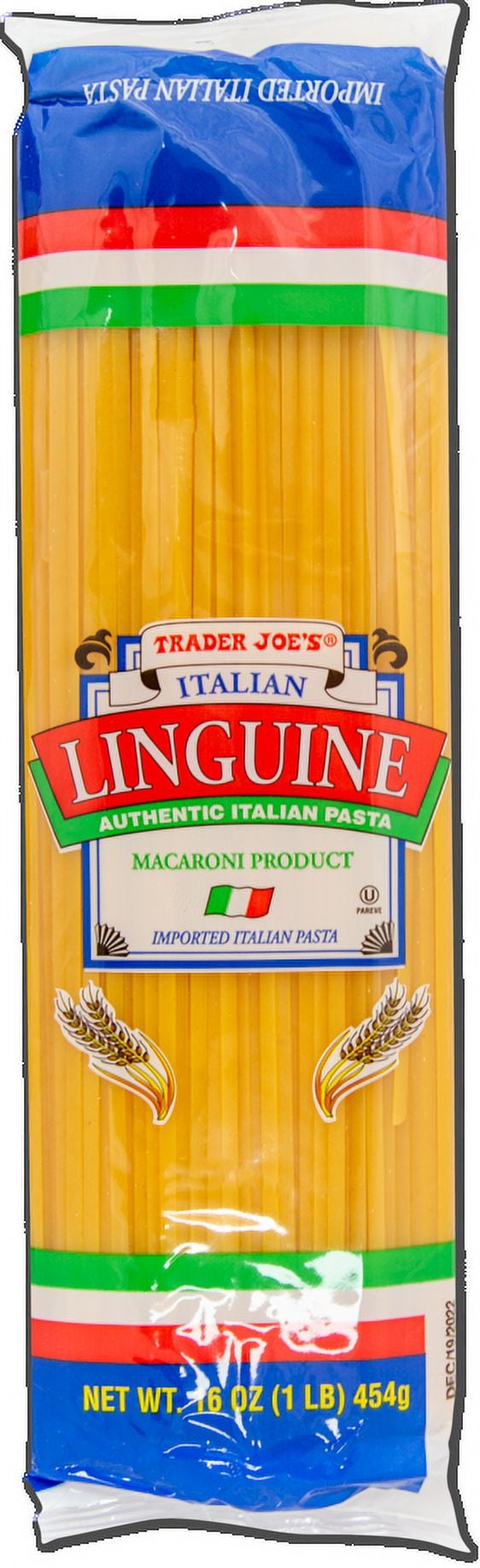


Market Basket 16oz Old World Italian Style Pasta Cavatappi (pack Of 4)
Analysis updated July 2026 · How Scout scores
At a glance
Summary
This pasta is made primarily from durum wheat semolina and flour, which are standard ingredients for pasta but are processed. The inclusion of eggs adds nutritional value, providing high-quality protein and essential nutrients. However, the product is enriched with vitamins and minerals, indicating a moderate level of processing, which limits its score despite the absence of harmful additives.
Key ingredients 9
EggVery Good
Eggs are a high-quality protein source, contributing to the nutritional value of pasta. They provide essential amino acids and nutrients like choline and vitamin D. Eggs enhance the texture and richness of pasta products.
Risks
Potential allergen for some individuals, causing allergic reactions.
Benefits
Rich in high-quality protein and essential nutrients, supporting muscle health and overall nutrition.
NiacinGood
Beneficial ingredient — whole-food or functional value in this product class.
Benefits
Supports energy production and overall metabolic health.
RiboflavinGood
Essential B vitamin — beneficial micronutrient.
Benefits
Contributes to energy production and cellular health.
Durum wheat semolinaNeutral
Durum wheat semolina is a refined wheat product used for its high gluten content, which gives pasta its firm texture. It is not whole grain, thus lacking some fiber and nutrients found in whole wheat. It is a common ingredient in pasta, providing structure and texture.
Risks
May cause allergic reactions in individuals with wheat allergies or gluten intolerance.
Benefits
Provides a source of carbohydrates and protein, essential for energy and muscle maintenance.
Durum wheat flourNeutral
Durum wheat flour is a refined flour used in pasta making for its high protein content. It lacks the bran and germ found in whole wheat, reducing its fiber and nutrient content. It contributes to the pasta's chewy texture and cooking quality.
Risks
May trigger allergic reactions in those with wheat allergies or gluten sensitivity.
Benefits
Offers carbohydrates and protein, supporting energy levels and muscle health.
Iron (ferrous sulfate)Neutral
Iron in the form of ferrous sulfate is added to fortify pasta, helping to prevent iron deficiency anemia. It is a common fortification in grain products to enhance nutritional value. Iron is crucial for oxygen transport in the blood.
Risks
Excessive intake can lead to gastrointestinal issues and toxicity, especially in children.
Benefits
Essential for red blood cell production and preventing anemia.
Thiamin mononitrateNeutral
Thiamin mononitrate is a synthetic form of vitamin B1 used to fortify foods. It plays a key role in energy metabolism and nerve function. Fortification helps prevent thiamin deficiency, particularly in diets high in refined grains.
Benefits
Supports energy metabolism and nerve health.
Folic acidNeutral
Folic acid is a synthetic form of folate used to fortify foods, crucial for DNA synthesis and cell division. It is particularly important for pregnant women to prevent neural tube defects. Fortification helps maintain adequate folate levels in the population.
Risks
Excessive intake can mask vitamin B12 deficiency symptoms.
Benefits
Supports DNA synthesis and is vital for fetal development during pregnancy.
WheatNeutral
Wheat is a staple grain providing carbohydrates and protein, forming the base of pasta products. It is a refined grain in this context, lacking the full nutrient profile of whole wheat. Wheat is widely used for its versatility and texture in food products.
Risks
May cause allergic reactions or gluten intolerance symptoms in sensitive individuals.
Benefits
Provides energy and protein, essential for daily dietary needs.
Processing
Processed Foods
Get the full breakdown in the Scout appTake Scout shopping
Scan any product to see lab results, healthy alternatives, and your personalized analysis.
Download on theApp Store GET IT ONGoogle Play