





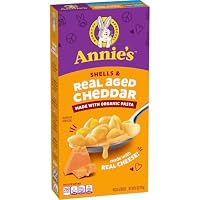
Annie's Homegrown Classic Mild Cheddar Macaroni & Cheese Micro Cup, Made with Organic Pasta
Analysis updated April 2026 · How Scout scores
At a glance
Summary
This product contains several beneficial ingredients such as organic wheat macaroni and cheddar cheese, which provide nutrients like complex carbohydrates and protein. However, it is classified as ultra-processed due to the presence of processed ingredients like natural butter flavor, which can include additives and chemicals. The level of processing and the inclusion of such ingredients limit its overall healthiness despite the presence of some organic components.
Key ingredients 10
Organic Wheat MacaroniGood
Organic wheat macaroni is made from organic wheat flour, providing a source of complex carbohydrates. The use of organic ingredients reduces exposure to pesticides and synthetic fertilizers. This ingredient supports sustainable agriculture practices.
Risks
Contains gluten, which may be a concern for individuals with celiac disease or gluten sensitivity.
Benefits
Provides dietary fiber and essential nutrients from whole grains, supporting digestive health and sustained energy levels.
ButterGood
Butter is a natural source of fat, providing flavor and richness to dishes. It contains fat-soluble vitamins like A, D, E, and K. When sourced from grass-fed cows, it offers higher levels of omega-3 fatty acids and CLA.
Risks
High in saturated fats, which may contribute to heart disease if consumed in excess.
Benefits
Rich in fat-soluble vitamins and provides beneficial fatty acids when sourced from grass-fed cows.
Cheddar CheeseGood
Cheddar cheese is a source of protein and calcium, contributing to bone health. It is made from cultured pasteurized milk, providing beneficial bacteria. The cheese adds flavor and richness to dishes.
Risks
High in saturated fats and sodium, which may contribute to heart disease if consumed in excess.
Benefits
Rich in protein and calcium, supporting bone health and muscle maintenance.
Organic Coconut OilGood
Organic coconut oil is a source of medium-chain triglycerides (MCTs), which are easily metabolized for energy. Being organic, it is free from pesticides and synthetic additives. It provides a healthy fat alternative with potential antimicrobial properties.
Risks
High in saturated fats, which may contribute to heart disease if consumed in excess.
Benefits
Contains MCTs that may support weight management and provide quick energy.
Tapioca StarchNeutral
Tapioca starch is a refined carbohydrate used as a thickening agent. It is derived from the cassava root and is gluten-free. While it provides texture, it lacks significant nutritional benefits.
Benefits
Offers a gluten-free alternative for thickening, suitable for those with gluten intolerance.
Nonfat Dry MilkNeutral
Nonfat dry milk is a dehydrated form of milk that retains most of the nutrients found in fresh milk. It is a convenient source of protein and calcium. However, it lacks the fat content present in whole milk.
Risks
May contain oxidized cholesterol, which could pose health risks if consumed in large quantities.
Benefits
Provides protein and calcium, supporting bone health and muscle maintenance.
Corn StarchNeutral
Corn starch is a refined carbohydrate used as a thickening agent in foods. It is derived from corn and is gluten-free. While it provides texture, it lacks significant nutritional benefits.
Benefits
Offers a gluten-free alternative for thickening, suitable for those with gluten intolerance.
SaltNeutral
Salt is used to enhance flavor and preserve food. It is a natural mineral composed primarily of sodium chloride. While essential for bodily functions, excessive intake can lead to health issues.
Risks
Excessive consumption can lead to hypertension and cardiovascular issues.
Benefits
Essential for maintaining fluid balance and nerve function in the body.
WheyNeutral
Liquid whey as a minor dairy ingredient — benign.
Risks
May cause digestive issues for individuals with lactose intolerance.
Benefits
Supports muscle growth and repair, providing a complete amino acid profile.
Natural Butter FlavorBad
Natural butter flavor is a processed ingredient used to mimic the taste of butter. It often contains a blend of chemicals and additives to achieve the desired flavor. The term 'natural' can be misleading as it may still involve significant processing.
Risks
May contain additives and chemicals that could pose health risks with long-term consumption.
Benefits
Provides butter-like flavor without the use of actual butter, which may be beneficial for reducing fat content.
Processing
Ultra-Processed Foods
Get the full breakdown in the Scout appTake Scout shopping
Scan any product to see lab results, healthy alternatives, and your personalized analysis.
Download on theApp Store GET IT ONGoogle PlayAmazon pricing & content
Amazon price as of . Product prices and availability are accurate as of the date/time indicated and are subject to change. Any price and availability information displayed on Amazon.com at the time of purchase will apply to the purchase of this product.
CERTAIN CONTENT THAT APPEARS ON THIS SITE COMES FROM AMAZON. THIS CONTENT IS PROVIDED “AS IS” AND IS SUBJECT TO CHANGE OR REMOVAL AT ANY TIME.