
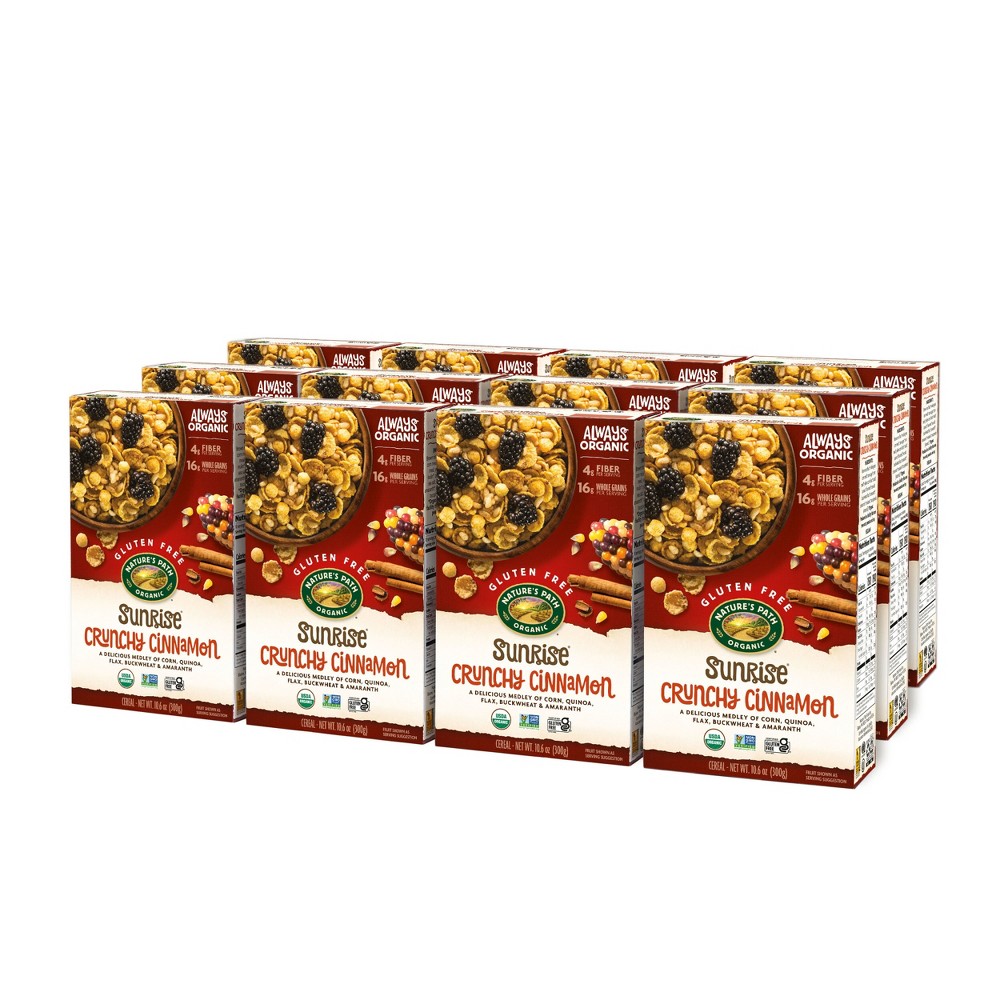



Nature's Path Crunchy Cinnamon Cereal
Analysis updated May 2026 · How Scout scores
At a glance
Summary
This cereal contains several beneficial ingredients like quinoa, flax seeds, and whole grain corn meal, which contribute to its nutritional value. However, it is classified as ultra-processed due to the presence of refined sugar and the use of multiple processed grains, which limits its health benefits. The product's high sugar content and processing level prevent it from achieving a higher score despite its inclusion of some nutrient-dense components.
Key ingredients 14
QuinoaVery Good
Quinoa is a nutrient-dense seed that provides complete protein, fiber, and essential amino acids. It is often considered a superfood due to its high nutrient content and versatility. Its inclusion in cereals enhances protein and nutrient profile significantly.
Benefits
Rich in complete protein and essential nutrients, supporting overall health and wellness.
Flax SeedsVery Good
Flax seeds are a rich source of omega-3 fatty acids, fiber, and lignans, which have antioxidant properties. They are often used to enhance the nutritional profile of foods due to their health benefits. Their inclusion in cereals supports heart health and provides anti-inflammatory benefits.
Benefits
Provides omega-3 fatty acids and fiber, supporting heart health and reducing inflammation.
AmaranthVery Good
Amaranth is a nutrient-rich grain that provides protein, fiber, and essential amino acids. It is often used in health foods for its high nutrient density and gluten-free properties. Its inclusion in cereals boosts protein content and provides essential nutrients.
Benefits
Rich in protein and essential nutrients, supporting overall health and wellness.
Brown Rice FlourGood
Brown rice flour is a whole grain flour that retains the bran and germ, providing more nutrients than refined flours. It is a good source of fiber and essential minerals like magnesium. Its use in cereals can enhance nutritional value compared to refined flours.
Benefits
Provides dietary fiber and essential minerals, supporting digestive health and nutrient intake.
Whole Grain Corn MealGood
Whole grain corn meal includes the entire kernel, offering more fiber and nutrients than degermed cornmeal. It is a source of complex carbohydrates and essential nutrients like iron and zinc. Its inclusion in cereals supports a balanced diet.
Benefits
Rich in fiber and essential nutrients, contributing to digestive health and sustained energy release.
InulinGood
Inulin is a prebiotic fiber that supports gut health by promoting beneficial bacteria growth. It is often extracted from chicory root and used to enhance fiber content in foods. Its inclusion in cereals can aid digestive health and improve nutrient absorption.
Risks
Excessive consumption may cause digestive discomfort in some individuals.
Benefits
Supports gut health by promoting beneficial bacteria and improving digestion.
Buckwheat FlourGood
Buckwheat flour is a gluten-free flour rich in fiber, protein, and essential minerals like magnesium and manganese. It is often used in gluten-free products for its nutritional benefits. Its inclusion in cereals enhances the nutrient profile and provides a unique flavor.
Benefits
Rich in fiber and essential minerals, supporting digestive health and nutrient intake.
Sea SaltGood
Unrefined sea salt — a minimally processed, natural source of sodium and essential trace minerals, and a legitimate whole-food seasoning. Treated as a positive ingredient.
Risks
Excessive consumption can contribute to high blood pressure and cardiovascular issues.
Benefits
Provides trace minerals and enhances flavor, but should be consumed in moderation.
CinnamonGood
Cinnamon is a spice known for its antioxidant properties and potential to regulate blood sugar levels. It is often used in foods for flavor and health benefits. Its inclusion in cereals can enhance flavor and provide health benefits.
Benefits
Provides antioxidants and may help regulate blood sugar levels.
Tocopherols (Vitamin E)Good
Tocopherols are a form of vitamin E used as an antioxidant to preserve freshness in foods. They are naturally occurring compounds that support immune function and skin health. Their inclusion in cereals helps maintain product quality and provides health benefits.
Benefits
Acts as an antioxidant, supporting immune function and skin health.
Corn MealNeutral
Corn meal is a common cereal ingredient that provides carbohydrates and some fiber. It is less nutritious than whole grain corn meal due to the removal of the germ and bran. Its use in cereals is primarily for texture and bulk.
Benefits
Offers carbohydrates for energy but lacks the fiber and nutrients of whole grain alternatives.
Yellow Corn FlourNeutral
Yellow corn flour is a refined flour that provides carbohydrates and some vitamins like B6. It is often used for its texture and color in processed foods. It lacks the fiber and nutrients found in whole grain corn products.
Benefits
Provides carbohydrates and some vitamins, but lacks significant fiber content.
MolassesNeutral
Molasses is a byproduct of sugar refining that contains some vitamins and minerals. It is used as a natural sweetener and flavor enhancer in foods. While it provides some nutrients, it is still a form of sugar and should be consumed in moderation.
Risks
Excessive consumption can contribute to high sugar intake and related health issues.
Benefits
Contains some vitamins and minerals, providing more nutrients than refined sugar.
Cane SugarBad
Cane sugar is a refined sugar that can contribute to increased calorie intake without providing essential nutrients. Excessive consumption is linked to health issues like obesity and dental cavities. It is less beneficial compared to natural sweeteners found in whole foods.
Risks
High intake can lead to obesity, insulin resistance, and dental issues.
Benefits
Provides quick energy but lacks significant nutritional benefits.
Processing
Ultra-Processed Foods
Get the full breakdown in the Scout appTake Scout shopping
Scan any product to see lab results, healthy alternatives, and your personalized analysis.
Download on theApp Store GET IT ONGoogle PlayAmazon pricing & content
Amazon price as of . Product prices and availability are accurate as of the date/time indicated and are subject to change. Any price and availability information displayed on Amazon.com at the time of purchase will apply to the purchase of this product.
CERTAIN CONTENT THAT APPEARS ON THIS SITE COMES FROM AMAZON. THIS CONTENT IS PROVIDED “AS IS” AND IS SUBJECT TO CHANGE OR REMOVAL AT ANY TIME.