
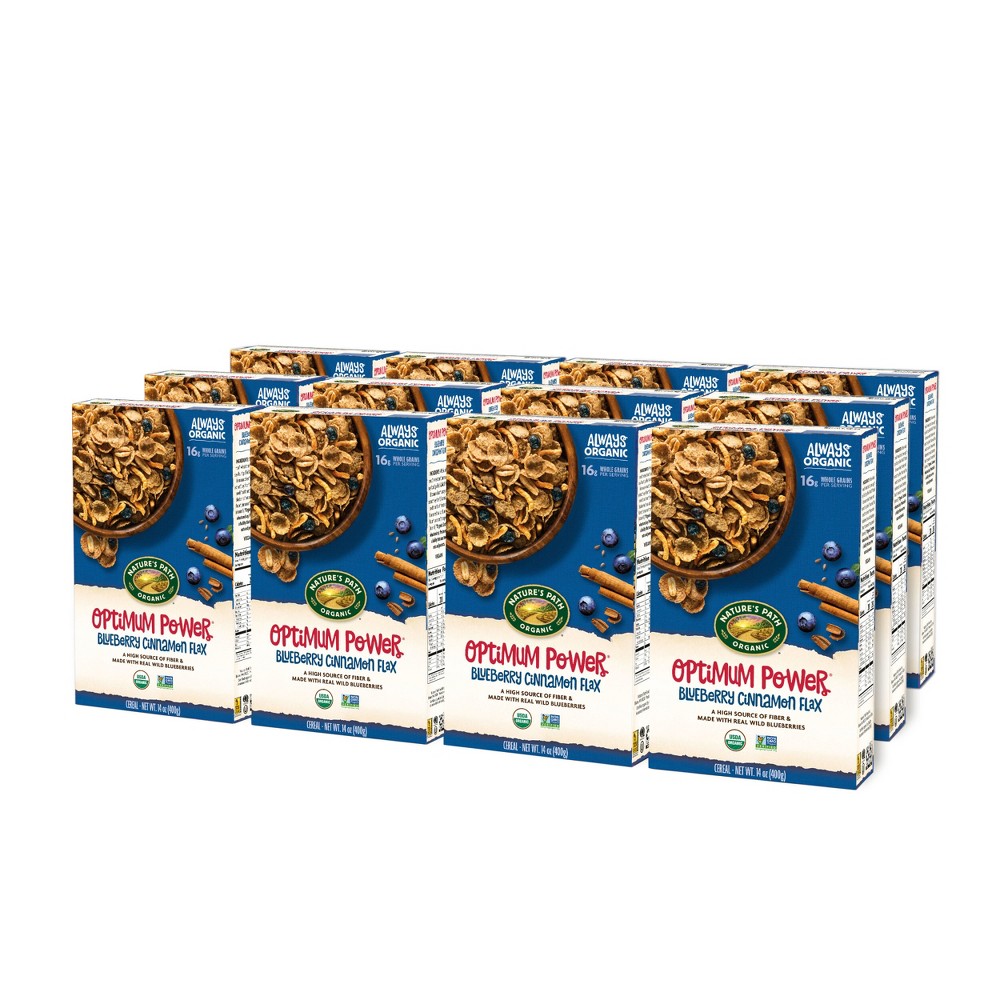


Nature's Path Organic Optimum Power Blueberry Cinnamon Flax
Analysis updated April 2026 · How Scout scores
At a glance
Summary
This cereal contains several beneficial ingredients such as whole wheat meal, flax, and freeze-dried blueberries, which contribute to its nutritional value. However, it is classified as ultra-processed due to the presence of refined cane sugar and the use of additives like tocopherols. Despite its organic certification and clean label, the high level of processing limits its overall healthiness.
Key ingredients 13
FlaxVery Good
Flax seeds are a rich source of omega-3 fatty acids and dietary fiber. They are minimally processed, retaining their nutritional profile. Organic flax ensures no synthetic chemicals are used in cultivation.
Benefits
Omega-3 fatty acids support heart health and fiber aids in digestion.
Freeze-dried blueberriesVery Good
Freeze-dried blueberries retain most of their nutrients and antioxidants. The freeze-drying process preserves the fruit without the need for preservatives. Organic blueberries are free from synthetic pesticides.
Benefits
Rich in antioxidants and vitamins that support overall health.
Whole wheat mealGood
Whole wheat meal is a source of complex carbohydrates and dietary fiber. It is minimally processed, retaining most of its nutrients. Organic certification indicates it is free from synthetic pesticides.
Risks
May contain gluten, which can be problematic for individuals with celiac disease or gluten sensitivity.
Benefits
Provides dietary fiber that supports digestive health and complex carbohydrates for sustained energy.
Wheat branGood
Wheat bran is rich in dietary fiber and essential nutrients. It is a byproduct of milling wheat and is often used to enhance fiber content in foods. Organic certification ensures it is free from synthetic chemicals.
Risks
Contains gluten, which can be harmful to those with celiac disease or gluten intolerance.
Benefits
High fiber content aids in digestion and may help lower cholesterol levels.
Puffed kamut khorasan wheatGood
Kamut is an ancient grain known for its high protein and mineral content. Puffed processing retains nutrients while making it easier to digest. Organic certification indicates it is free from synthetic pesticides.
Risks
Contains gluten, which can be problematic for individuals with gluten sensitivity.
Benefits
Provides protein and essential minerals like magnesium and zinc.
Oat branGood
Oat bran is high in soluble fiber, which can help lower cholesterol levels. It is a minimally processed part of the oat grain. Organic certification ensures it is free from synthetic pesticides.
Benefits
Soluble fiber supports heart health and aids in digestion.
Sea saltGood
Unrefined sea salt — a minimally processed, natural source of sodium and essential trace minerals, and a legitimate whole-food seasoning. Treated as a positive ingredient.
Risks
Excessive sodium intake can lead to high blood pressure and cardiovascular issues.
Benefits
Provides essential sodium and trace minerals.
CinnamonGood
Cinnamon is a spice with antioxidant properties and potential health benefits. It is minimally processed and organic certification ensures it is free from synthetic chemicals. It may help regulate blood sugar levels.
Benefits
Contains antioxidants and may support blood sugar regulation.
Soy flourNeutral
Soy flour is a protein-rich flour made from ground soybeans. It is often used to increase protein content in foods. Organic certification suggests it is non-GMO and free from synthetic pesticides.
Risks
May cause allergic reactions in individuals sensitive to soy.
Benefits
Rich in protein and contains essential amino acids.
Barley malt extractNeutral
Barley malt extract is a natural sweetener derived from sprouted barley grains. It is less processed than refined sugars and retains some nutrients. Organic certification ensures it is free from synthetic chemicals.
Risks
Contains gluten, which can be harmful to those with celiac disease.
Benefits
Provides a natural source of sweetness with some vitamins and minerals.
Soy fiberNeutral
Soy fiber is derived from soybeans and is used to increase dietary fiber content. It is minimally processed and organic certification suggests it is non-GMO. It can help improve digestive health.
Risks
May cause allergic reactions in individuals sensitive to soy.
Benefits
Increases dietary fiber intake, supporting digestive health.
TocopherolsNeutral
Tocopherols are a form of vitamin E used as a natural preservative. They are derived from vegetable oils and help prevent oxidation in foods. Organic certification ensures they are sourced from non-GMO crops.
Benefits
Acts as an antioxidant, preserving food quality and providing vitamin E.
Cane sugarBad
Cane sugar is a refined sugar that can contribute to increased blood sugar levels. It is processed to remove impurities, resulting in a high glycemic index. Excessive consumption can lead to health issues such as obesity and diabetes.
Risks
High intake of refined sugars is linked to obesity, type 2 diabetes, and heart disease.
Benefits
Provides quick energy but lacks nutritional benefits compared to whole food sweeteners.
Processing
Ultra-Processed Foods
Get the full breakdown in the Scout appTake Scout shopping
Scan any product to see lab results, healthy alternatives, and your personalized analysis.
Download on theApp Store GET IT ONGoogle PlayAmazon pricing & content
Amazon price as of . Product prices and availability are accurate as of the date/time indicated and are subject to change. Any price and availability information displayed on Amazon.com at the time of purchase will apply to the purchase of this product.
CERTAIN CONTENT THAT APPEARS ON THIS SITE COMES FROM AMAZON. THIS CONTENT IS PROVIDED “AS IS” AND IS SUBJECT TO CHANGE OR REMOVAL AT ANY TIME.