


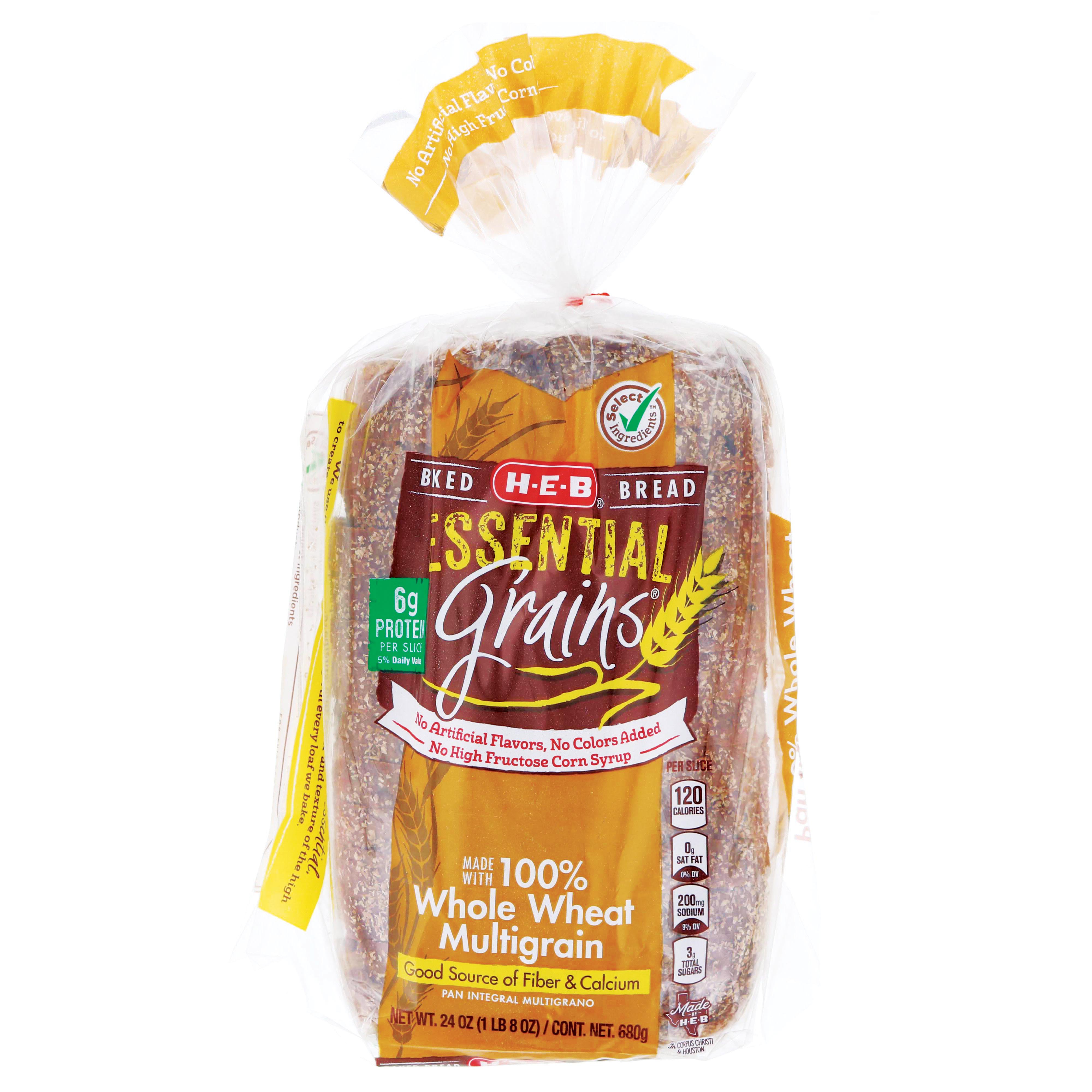





At a glance
Summary
This product is made with whole wheat flour, which is a beneficial ingredient due to its fiber and nutrient content. However, it contains added sugar and a few processed ingredients like vegetable oil and calcium propionate, which are less desirable. The product is moderately processed, which limits its score despite the presence of some nutritious components.
Key ingredients 11
Whole Wheat FlourVery Good
Whole wheat flour is a minimally processed ingredient rich in fiber and essential nutrients. It retains the bran and germ, providing more vitamins and minerals compared to refined flour. This ingredient supports digestive health and provides sustained energy.
Benefits
Rich in dietary fiber, vitamins, and minerals, supporting digestive health and providing sustained energy.
Wheat GermGood
Wheat germ is a nutrient-rich component of wheat that provides vitamins, minerals, and healthy fats. It is a good source of vitamin E, folate, and magnesium. Adding wheat germ enhances the nutritional profile of baked goods.
Benefits
Rich in vitamins and minerals, enhancing the nutritional profile of foods.
WaterNeutral
Water is a neutral ingredient used as a solvent and to provide moisture in baked goods. It does not contribute any calories or nutrients. Its primary role is to aid in the mixing and baking process.
See more about Water →Wheat GlutenNeutral
Wheat gluten is a protein that provides elasticity and structure to baked goods. It is derived from wheat and is essential for bread texture. While beneficial for baking, it can cause issues for those with gluten intolerance or celiac disease.
Risks
May cause adverse reactions in individuals with gluten intolerance or celiac disease.
Benefits
Improves bread texture and elasticity, essential for proper dough formation.
YeastNeutral
Baker's/nutritional yeast in standard use — benign.
Benefits
Contributes to bread rising and flavor development, and provides B vitamins.
Vegetable OilNeutral
Vegetable oil is used to improve texture and moisture in baked goods. The type of oil is not specified, which can affect health implications. It is a source of fats, but the health impact depends on the specific oil used.
Risks
Potential health concerns depend on the type of oil; some oils may be high in omega-6 fatty acids.
Benefits
Improves texture and moisture in baked goods.
SaltNeutral
Salt is used to enhance flavor and control yeast activity in baking. It is a common culinary ingredient but should be consumed in moderation to avoid health issues. Excessive salt intake can lead to hypertension.
Risks
Excessive consumption can contribute to hypertension and cardiovascular issues.
Benefits
Enhances flavor and controls yeast activity in baking.
Calcium PropionateNeutral
Calcium propionate is a preservative used to inhibit mold growth in baked goods. It is considered safe for consumption in regulated amounts. While effective in extending shelf life, it does not provide nutritional benefits.
Benefits
Extends shelf life by preventing mold growth.
Vegetable MonoglyceridesNeutral
Vegetable monoglycerides are emulsifiers that help blend ingredients and improve texture. They are derived from vegetable oils and are commonly used in processed foods. While they aid in texture, they do not offer nutritional benefits.
Benefits
Improves texture and consistency in baked goods.
SodiumNeutral
Sodium is an essential mineral used to enhance flavor and preserve food. It is necessary for various bodily functions but should be consumed in moderation. Excessive sodium intake can lead to health issues such as hypertension.
Risks
Excessive sodium intake can contribute to hypertension and cardiovascular issues.
Benefits
Essential for bodily functions and enhances flavor.
SugarBad
Sugar is a refined carbohydrate that can contribute to increased calorie intake without providing essential nutrients. Excessive consumption is linked to various health issues such as obesity and dental cavities. It is used to enhance flavor and aid in yeast fermentation.
Risks
Excessive sugar intake can lead to obesity, insulin resistance, and dental cavities.
Benefits
Provides energy and enhances flavor, but should be consumed in moderation.
Processing
Processed Foods
Get the full breakdown in the Scout appTake Scout shopping
Scan any product to see lab results, healthy alternatives, and your personalized analysis.
Download on theApp Store GET IT ONGoogle Play