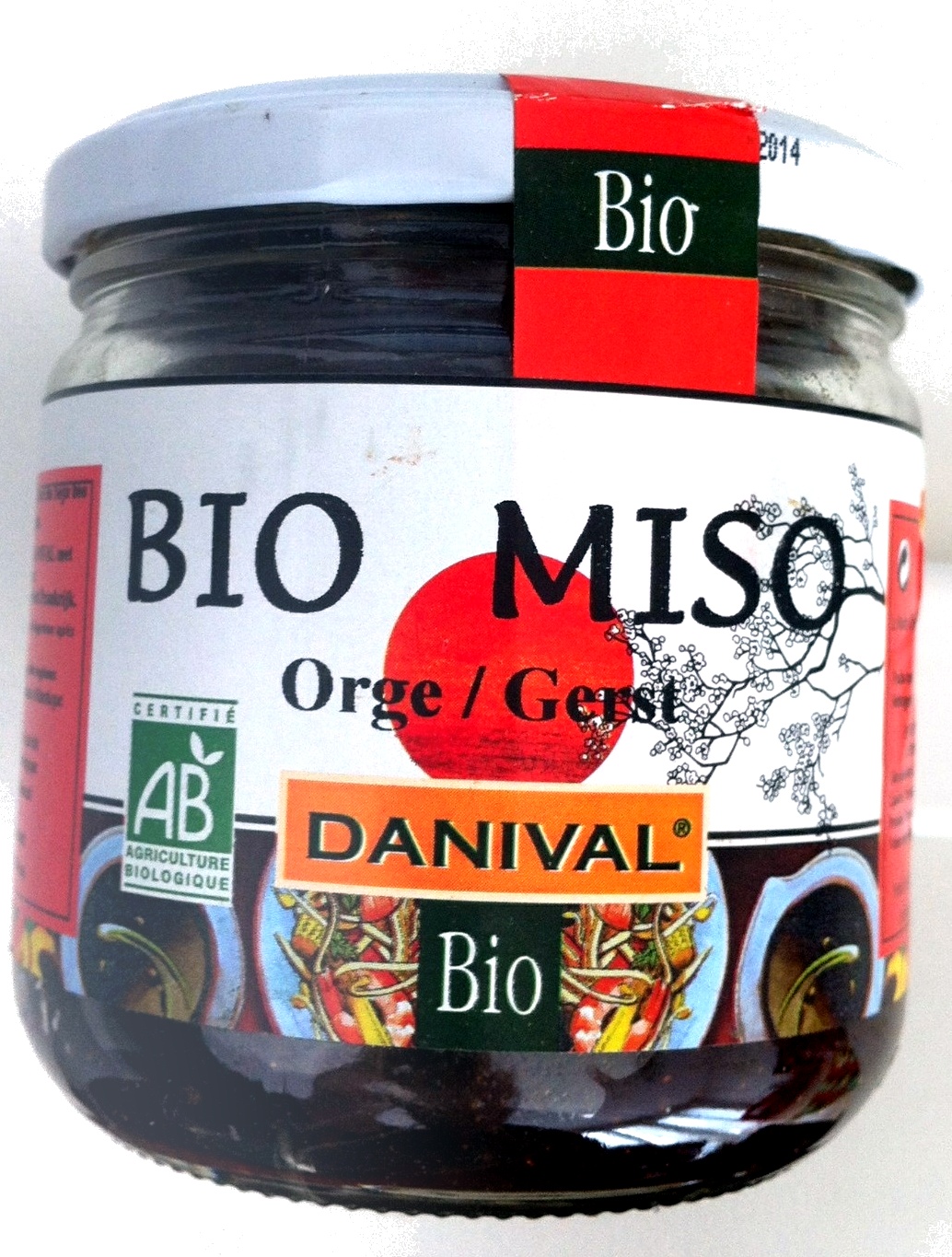
Shiro Miso

At a glance
Summary
Shiro Miso is made from organic white rice and whole soybeans, which are minimally processed and provide a good source of carbohydrates and plant-based protein. The use of sea salt and a natural culture contributes to its clean ingredient profile. Despite being a processed food, the absence of harmful additives and the use of organic ingredients support a high score within its category. Its plastic packaging can shed microplastics into the food and lowers its score.
Key ingredients 5
Organic White RiceGood
Organic white rice is a clean carbohydrate source with minimal processing. Being organic, it is free from synthetic pesticides and fertilizers. It serves as a base ingredient providing energy and mild flavor.
Benefits
Provides a source of carbohydrates for energy and is free from synthetic chemicals due to its organic nature.
Organic Whole Soy BeansGood
Organic whole soybeans are a high-quality source of plant-based protein and essential nutrients. The organic certification ensures they are free from genetically modified organisms and synthetic pesticides. They contribute to the protein content and umami flavor of the product.
Risks
Soybeans can be allergenic for some individuals and may affect hormone levels due to phytoestrogens.
Benefits
Rich in protein and essential amino acids, supporting muscle health and providing a plant-based protein source.
Sea SaltGood
Sea salt is a natural source of sodium and trace minerals, minimally processed. It enhances flavor and provides essential electrolytes. The unrefined nature of sea salt retains beneficial minerals.
Risks
Excessive consumption of sodium can lead to hypertension and cardiovascular issues.
Benefits
Provides essential minerals and enhances flavor without the additives found in refined salts.
Filtered WaterNeutral
Filtered water is used as a solvent and processing aid in food production. It ensures the absence of impurities and contaminants. It does not contribute nutritional value but is essential for consistency and texture.
Benefits
Ensures product consistency and safety by removing potential contaminants.
Culture (Aspergillus Oryzae)Neutral
Aspergillus oryzae is a fermentation culture used to produce miso, contributing to its flavor and nutritional profile. It is a traditional ingredient in Japanese cuisine. The fermentation process enhances digestibility and flavor complexity.
Benefits
Enhances flavor and nutritional profile through fermentation, improving digestibility.
Processing
Processed Foods
Get the full breakdown in the Scout appTake Scout shopping
Scan any product to see lab results, healthy alternatives, and your personalized analysis.
Are you Amano? Fix an error Get the badge Get tested