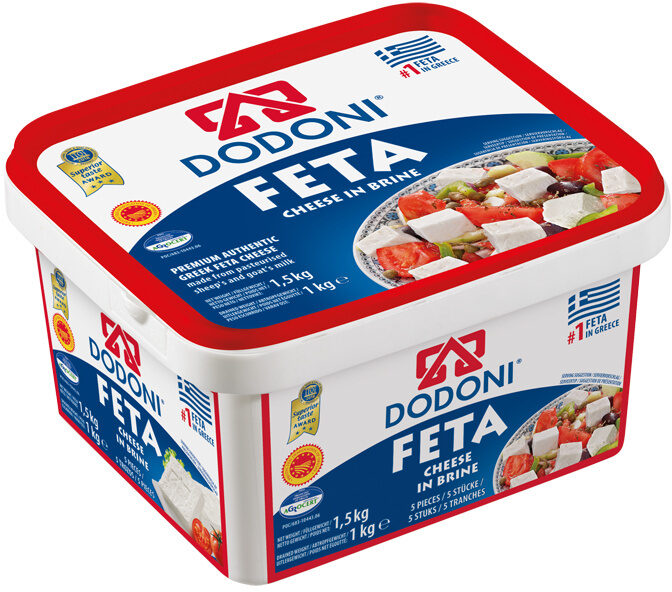
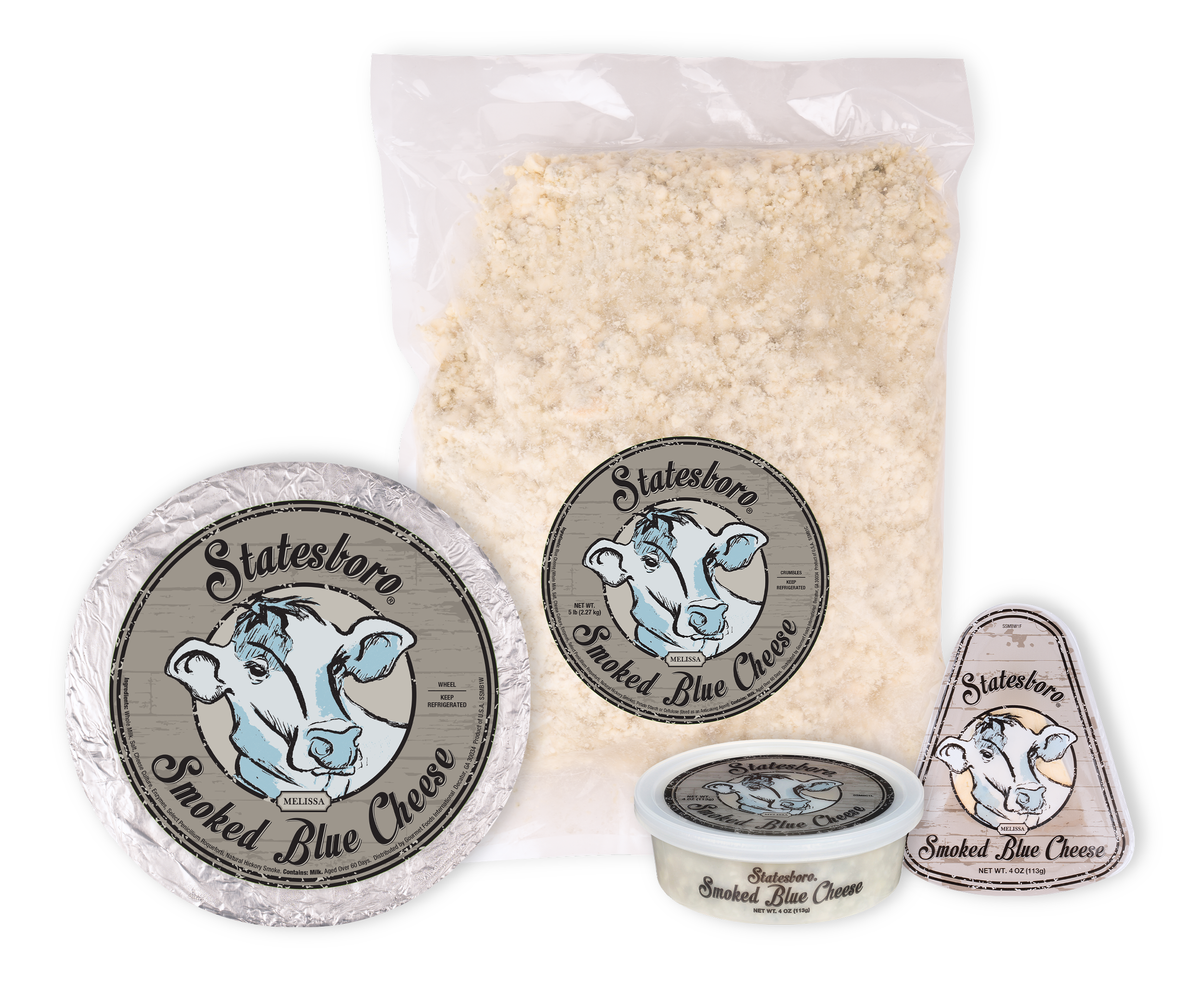
Traditional feta chunk cheese

At a glance
Summary
This traditional feta cheese is made with a simple ingredient list, primarily consisting of cultured pasteurized part-skim milk, salt, and enzymes, which are typical for cheese production. The presence of natamycin as a natural mold inhibitor is the only additive, which is generally safe but not always necessary. Despite being processed, the clean label and minimal additives allow it to score well within its category. Its plastic packaging can shed microplastics into the food and lowers its score.
Key ingredients 4
Cultured Pasteurized Part-Skim MilkGood
This is a primary ingredient in cheese, providing essential proteins and calcium. The pasteurization process ensures safety by eliminating harmful bacteria. Culturing enhances flavor and digestibility.
Benefits
Rich in protein and calcium, supporting bone health and muscle function. Culturing improves digestibility and adds beneficial probiotics.
SaltNeutral
Salt is used for flavor and as a preservative in cheese. It is a common culinary ingredient with no significant processing concerns. However, excessive consumption can lead to health issues.
Risks
High sodium intake can contribute to hypertension and cardiovascular issues.
Benefits
Enhances flavor and acts as a preservative, extending the shelf life of the product.
EnzymesNeutral
Enzymes are used in cheese production to aid in coagulation and flavor development. They are typically derived from natural sources and are essential for cheese making. The specific type of enzyme can vary, but they generally pose no health risks.
Benefits
Essential for cheese production, aiding in coagulation and flavor development.
NatamycinBad
Natamycin is a natural mold inhibitor used to prevent spoilage in cheese. While it is effective in extending shelf life, it is an additive that some consumers prefer to avoid. It is generally recognized as safe but may not be necessary in all cheese products.
Risks
Potential concerns for those avoiding food additives, though it is generally recognized as safe.
Benefits
Prevents mold growth, extending the shelf life of cheese products.
Processing
Processed Foods
Get the full breakdown in the Scout appTake Scout shopping
Scan any product to see lab results, healthy alternatives, and your personalized analysis.
Are you Athenos? Fix an error Get the badge Get tested
Amazon pricing & content
Amazon price as of . Product prices and availability are accurate as of the date/time indicated and are subject to change. Any price and availability information displayed on Amazon.com at the time of purchase will apply to the purchase of this product.
CERTAIN CONTENT THAT APPEARS ON THIS SITE COMES FROM AMAZON. THIS CONTENT IS PROVIDED “AS IS” AND IS SUBJECT TO CHANGE OR REMOVAL AT ANY TIME.