

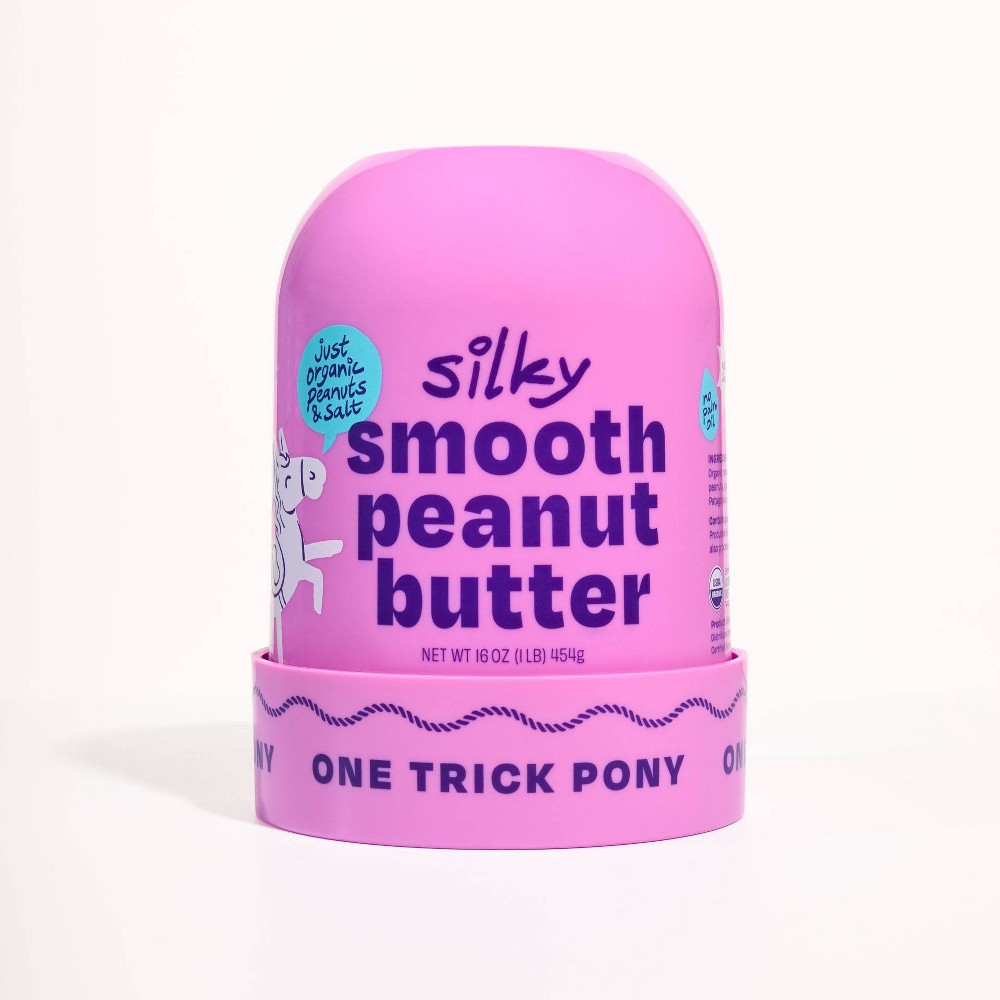

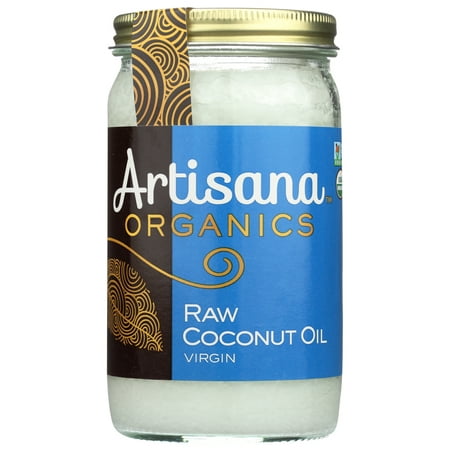

Stew Leonard's butter
Analysis updated August 2026 · How Scout scores
At a glance
Summary
This butter product contains several high-quality ingredients such as olive oil, garlic, and parsley, which contribute beneficial nutrients and flavors. However, the presence of soybean oil, a highly processed seed oil, detracts from its overall healthiness due to its potential inflammatory effects. The product's processing level also limits its score, as it is not minimally processed.
Key ingredients 11
Olive OilVery Good
Olive oil is a high-quality monounsaturated fat with anti-inflammatory properties. It contains antioxidants that support heart health. Cold-pressed extraction preserves beneficial compounds.
Benefits
Rich in monounsaturated fats that support heart health and provide anti-inflammatory properties. Contains antioxidants like vitamin E and polyphenols that may reduce oxidative stress.
ButterGood
Butter is a natural source of saturated fats and fat-soluble vitamins. It is minimally processed and can be part of a balanced diet. Grass-fed butter is particularly high in beneficial omega-3 fatty acids and vitamin K2.
Risks
Excessive consumption of saturated fats may increase the risk of heart disease.
Benefits
Rich in fat-soluble vitamins A, D, E, and K, and provides a source of energy.
CreamGood
Cream is a dairy product high in fat and calories, providing a rich texture and flavor. It is a source of fat-soluble vitamins and can be part of a healthy diet when consumed in moderation. Organic cream may offer additional health benefits due to higher omega-3 content.
Risks
High in calories and saturated fats, which can contribute to weight gain and cardiovascular issues if consumed in excess.
Benefits
Provides essential fat-soluble vitamins and enhances the flavor and texture of foods.
GarlicGood
Garlic is known for its potential health benefits, including antimicrobial and anti-inflammatory properties. It contains allicin, which may help reduce cholesterol levels and improve heart health. Fresh garlic is more beneficial than processed forms.
Risks
May cause digestive discomfort in some individuals when consumed in large amounts.
Benefits
Rich in antioxidants and may support immune function and cardiovascular health.
MilkGood
Milk is a rich source of calcium, protein, and essential vitamins. It is a staple in many diets and supports bone health. Organic milk may contain higher levels of omega-3 fatty acids.
Risks
Lactose intolerance can cause digestive issues in some individuals.
Benefits
Supports bone health and provides essential nutrients like calcium and vitamin D.
ParsleyGood
Parsley is a herb rich in vitamins A, C, and K, and antioxidants. It is used to enhance flavor and provide nutritional benefits. Fresh parsley is more beneficial than dried forms.
Benefits
Rich in antioxidants and vitamins, supporting immune function and overall health.
LemonGood
Lemon is a citrus fruit high in vitamin C and antioxidants. It is used to enhance flavor and provide nutritional benefits. Fresh lemon juice is more beneficial than processed forms.
Benefits
Rich in vitamin C, supporting immune function and providing antioxidant benefits.
SaltNeutral
Salt is used to enhance flavor and preserve food. It is a natural mineral composed primarily of sodium chloride. Excessive intake can lead to health issues such as hypertension.
Risks
High sodium intake is associated with increased blood pressure and cardiovascular risk.
Benefits
Essential for maintaining fluid balance and nerve function in the body.
Half & HalfNeutral
Half & Half is a dairy product made by combining equal parts milk and cream. It provides a creamy texture and is used in various culinary applications. It is less caloric than cream but still provides some fat-soluble vitamins.
Risks
Contains saturated fats which should be consumed in moderation.
Benefits
Offers a balance of creaminess and lower fat content compared to cream alone.
WaterNeutral
Water is a fundamental component of many foods and is essential for life. It is used to adjust texture and consistency in food products. It has no caloric value and is crucial for hydration.
Benefits
Essential for hydration and maintaining bodily functions.
Soybean OilVery Bad
Soybean oil is a highly processed seed oil high in omega-6 fatty acids. Excessive consumption may promote inflammation and is linked to various health issues. It is often extracted using chemical solvents, which may leave residues.
Risks
High omega-6 content may promote inflammation when consumed in excess.
Processing
Processed Foods
Get the full breakdown in the Scout appTake Scout shopping
Scan any product to see lab results, healthy alternatives, and your personalized analysis.
Download on theApp Store GET IT ONGoogle Play