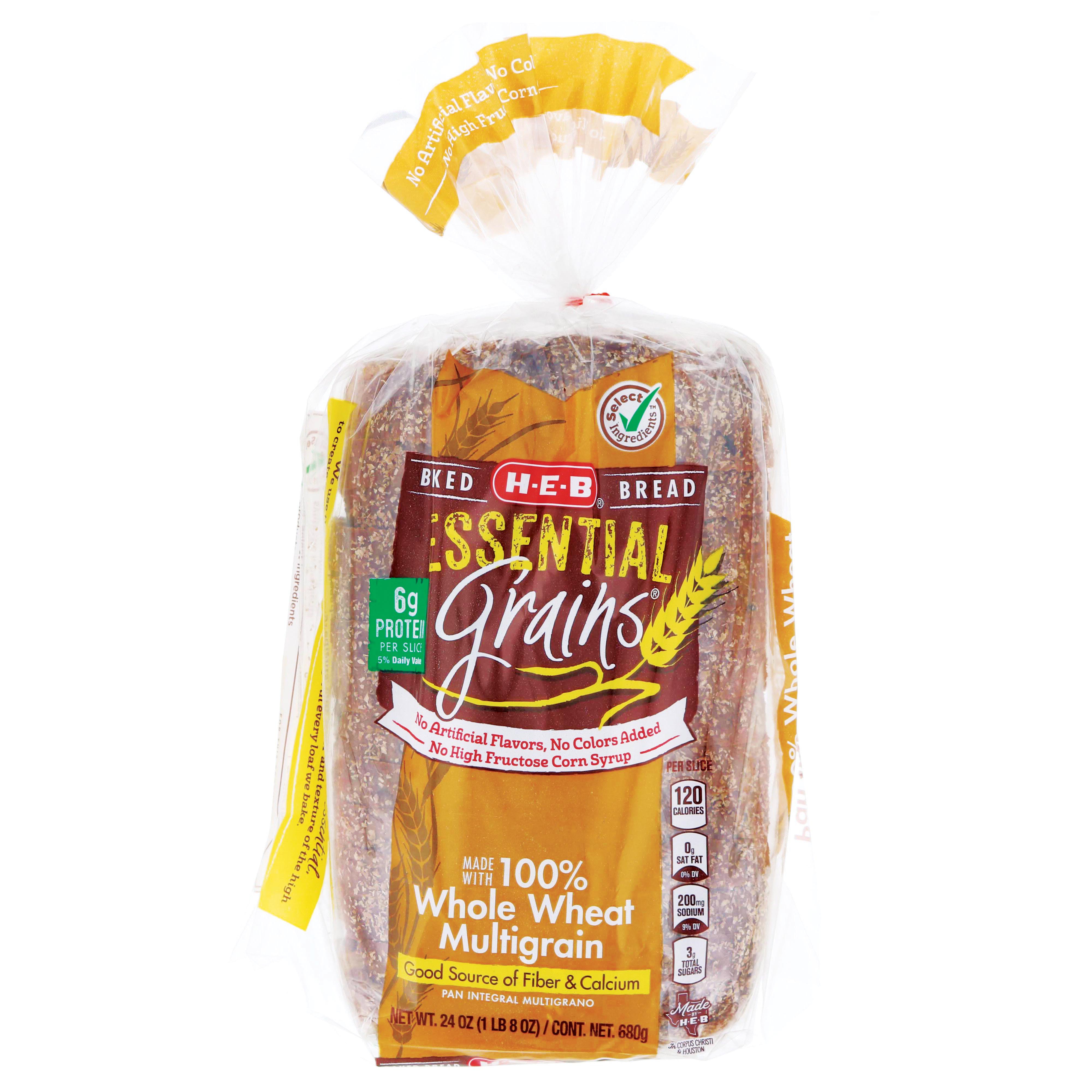
Bakeries italian bread brick oven whole wheat

At a glance
Summary
This bread is made with stone ground whole-wheat flour, which is a minimally processed ingredient rich in fiber and nutrients, contributing positively to its nutritional profile. However, the presence of enriched flour, which is a refined grain lacking in fiber, and the use of calcium propionate as a preservative, indicate a moderate level of processing. While the bread contains beneficial ingredients like wheat bran and yeast, the inclusion of refined flour and preservatives prevents it from achieving a higher score.
Key ingredients 9
Stone ground whole-wheat flourVery Good
Whole-wheat flour is a minimally processed ingredient rich in fiber and nutrients. Stone grinding preserves more of the grain's natural nutrients compared to more refined methods. It supports digestive health and provides essential vitamins and minerals.
Benefits
Rich in dietary fiber, which aids in digestion and helps maintain healthy blood sugar levels. Provides essential nutrients like B vitamins and iron.
Wheat branGood
Wheat bran is the outer layer of the wheat kernel, rich in fiber and nutrients. It supports digestive health and can help regulate blood sugar levels. It is often added to increase the fiber content of baked goods.
Benefits
High in dietary fiber, which supports digestive health and helps maintain healthy blood sugar levels. Provides essential nutrients like B vitamins and minerals.
WaterNeutral
Water is a neutral ingredient used as a solvent and to provide moisture. It is essential for the dough formation and baking process. It does not contribute any calories or nutrients.
See more about Water →YeastNeutral
Baker's/nutritional yeast in standard use — benign.
Benefits
Contributes to the leavening and flavor of bread. Provides B vitamins and can improve the digestibility of the final product.
Corn mealNeutral
Corn meal is a ground form of corn used for texture and flavor. It is a whole grain but less nutrient-dense compared to other grains like wheat. It adds a distinct flavor and texture to baked goods.
Benefits
Adds texture and flavor to baked goods. Provides some fiber and nutrients as a whole grain.
SaltNeutral
Salt is used to enhance flavor and control yeast activity in bread. It is a necessary component in baking but should be consumed in moderation. Excessive salt intake can lead to health issues like hypertension.
Risks
Excessive consumption can contribute to high blood pressure and cardiovascular issues.
Benefits
Enhances flavor and helps control yeast activity in baking.
Calcium propionateNeutral
Calcium propionate is a preservative used to prevent mold growth in baked goods. It extends the shelf life of products without significantly altering their taste or texture. It is generally recognized as safe in small amounts.
Risks
Some individuals may experience allergic reactions or sensitivities to preservatives.
Benefits
Helps prevent mold growth, extending the shelf life of baked goods.
EnzymeNeutral
Enzymes are used in baking to improve dough handling and bread quality. They are naturally occurring proteins that catalyze biochemical reactions. They enhance the texture and volume of bread.
Benefits
Improves dough handling and enhances the texture and volume of bread.
Enriched flourBad
Enriched flour is refined flour with added vitamins and minerals to replace some lost during processing. It lacks the fiber and nutrients found in whole grains. Overconsumption of refined grains can lead to blood sugar spikes.
Risks
May contribute to blood sugar spikes and lacks the fiber of whole grains, which can affect digestive health.
Benefits
Provides some essential vitamins and minerals due to enrichment, such as iron and B vitamins.
Processing
Processed Foods
Get the full breakdown in the Scout appTake Scout shopping
Scan any product to see lab results, healthy alternatives, and your personalized analysis.