





Nature's Own 100% Whole Wheat Bread
Analysis updated September 2026 · How Scout scores
At a glance
Summary
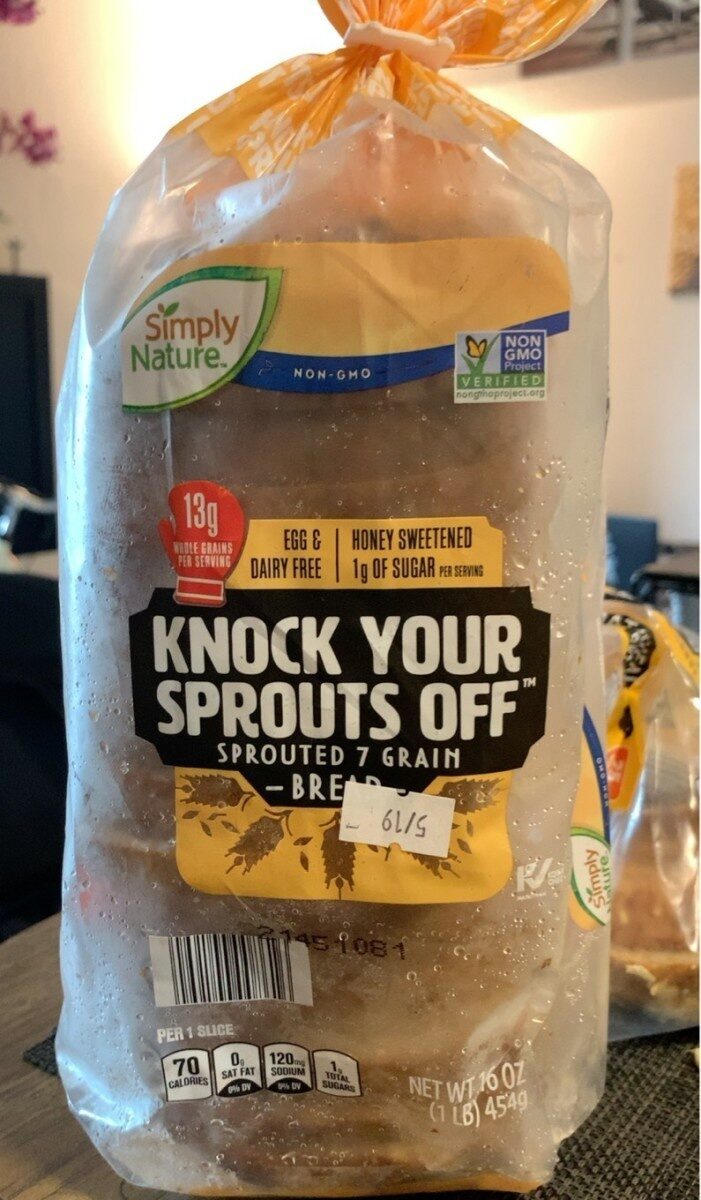
This bread is made primarily from sprouted whole grains, which are nutrient-dense and enhance digestibility and nutrient absorption. The use of honey as a natural sweetener and the absence of seed oils or artificial additives contribute positively to its health profile. However, as a processed food, its score is capped, but the clean ingredient list allows it to reach the upper limit of this category.
Key ingredients 11
Sprouted whole wheatVery Good
Sprouted whole wheat is a nutrient-dense grain that is easier to digest than regular wheat. The sprouting process enhances the bioavailability of vitamins and minerals. It also reduces antinutrients, improving nutrient absorption.
Benefits
Rich in fiber, vitamins, and minerals, supporting digestive health and providing sustained energy.
Sprouted whole wheat flourVery Good
Sprouted whole wheat flour retains the nutritional benefits of sprouted grains. It is high in fiber and nutrients compared to refined flours. The sprouting process enhances digestibility and nutrient absorption.
Benefits
Provides essential nutrients and fiber, supporting digestive health and providing sustained energy.
Sprouted grain blendVery Good
The sprouted grain blend includes oats, rye, barley, quinoa, amaranth, and millet, offering a diverse nutrient profile. Sprouting enhances nutrient availability and digestibility. These grains provide fiber, vitamins, and minerals.
Benefits
Rich in fiber and nutrients, supporting overall health and providing a variety of essential nutrients.
Cracked wheatGood
Cracked wheat is a whole grain that retains the bran and germ, providing fiber and nutrients. It adds texture and nutritional value to bread. It is less processed than refined grains.
Benefits
Rich in fiber and nutrients, supporting digestive health and providing a source of complex carbohydrates.
HoneyGood
Honey is a natural sweetener with antioxidant properties. It provides a source of simple sugars and adds flavor to baked goods. It is less processed than refined sugars.
Risks
Excessive consumption may contribute to increased calorie intake and blood sugar levels.
Benefits
Contains antioxidants and has a lower glycemic index than refined sugars, providing a natural source of sweetness.
Sea saltGood
Sea salt is a natural source of sodium and trace minerals. It is less processed than refined table salt. It enhances flavor and contributes essential minerals.
Risks
Excessive sodium intake may contribute to high blood pressure and cardiovascular issues.
Benefits
Provides essential minerals and enhances flavor without the additives found in refined salt.
WaterNeutral
Water is a fundamental ingredient used in baking to hydrate flour and activate yeast. It is essential for dough formation and texture. It does not contribute any nutritional value.
See more about Water →Vital wheat glutenNeutral
Vital wheat gluten is a concentrated protein derived from wheat, used to improve dough elasticity and texture. It is commonly used in bread making to enhance structure. It is not inherently harmful but may cause issues for those with gluten sensitivity.
Risks
May cause adverse reactions in individuals with gluten intolerance or celiac disease.
Benefits
Enhances the protein content and texture of bread, providing a chewy and elastic crumb.
Cultured wheat flourNeutral
Cultured wheat flour is treated with natural cultures to improve shelf life and flavor. It is a natural alternative to chemical preservatives. It does not significantly alter the nutritional profile of the bread.
Benefits
Provides a natural method of preservation without the use of synthetic additives.
YeastNeutral
Yeast is a microorganism used in baking to leaven bread, creating a light and airy texture. It is a natural ingredient essential for fermentation. It does not contribute significant nutritional value.
Benefits
Essential for bread fermentation, contributing to texture and flavor.
MolassesNeutral
Molasses is a byproduct of sugar refining, providing a rich flavor and color to baked goods. It contains some vitamins and minerals. It is a less refined sweetener compared to white sugar.
Risks
High in sugar content, which may contribute to increased calorie intake if consumed in excess.
Benefits
Contains small amounts of vitamins and minerals, offering a richer flavor profile than refined sugars.
Processing
Processed Foods
Get the full breakdown in the Scout appTake Scout shopping
Scan any product to see lab results, healthy alternatives, and your personalized analysis.
Download on theApp Store GET IT ONGoogle PlayAmazon pricing & content
Amazon price as of . Product prices and availability are accurate as of the date/time indicated and are subject to change. Any price and availability information displayed on Amazon.com at the time of purchase will apply to the purchase of this product.
CERTAIN CONTENT THAT APPEARS ON THIS SITE COMES FROM AMAZON. THIS CONTENT IS PROVIDED “AS IS” AND IS SUBJECT TO CHANGE OR REMOVAL AT ANY TIME.