
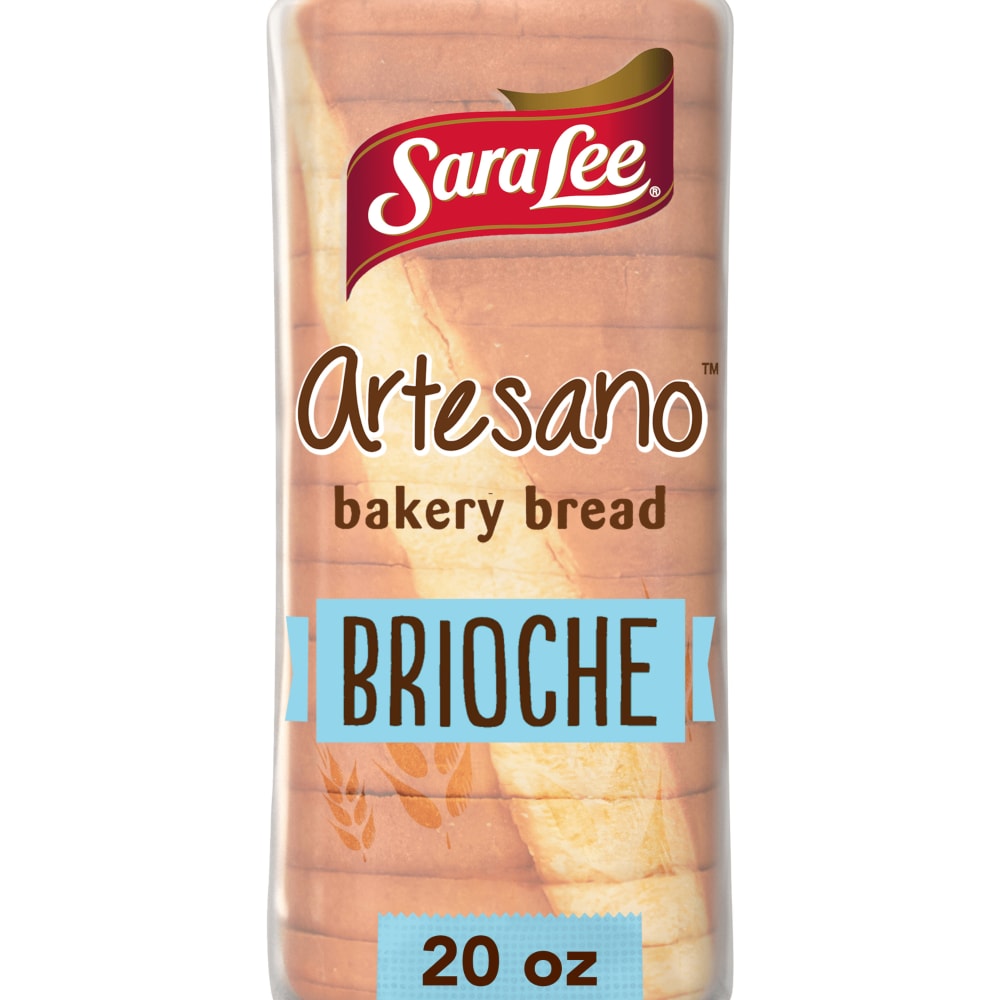



Sara Lee Brioche Bakery Bread
Analysis updated May 2026 · How Scout scores
At a glance
Summary
This brioche bread is heavily processed, containing refined flour and several additives, including sugar and soybean oil, which are considered less healthy. The presence of beneficial ingredients like butter and sesame seeds is overshadowed by the use of vegetable oil and natural flavors, which contribute to its high processing level. Despite some positive elements, the overall ingredient quality and processing level limit its healthiness.
Key ingredients 19
Sea SaltGood
Unrefined sea salt — a minimally processed, natural source of sodium and essential trace minerals, and a legitimate whole-food seasoning. Treated as a positive ingredient.
Risks
Excessive consumption can lead to high blood pressure and cardiovascular issues.
Benefits
Provides essential sodium and trace minerals.
ButterGood
Butter is a dairy product rich in saturated fats and fat-soluble vitamins. It adds flavor and richness to baked goods. Grass-fed butter is a better option due to higher omega-3 and vitamin K2 content.
Risks
High in saturated fats, which should be consumed in moderation.
Benefits
Contains fat-soluble vitamins like A, D, E, and K, and provides a rich flavor.
Annatto & TurmericGood
Annatto and turmeric are natural colorants that provide a yellow hue to foods. They are derived from plants and contain antioxidants. Turmeric, in particular, has anti-inflammatory properties due to curcumin.
Benefits
Provide natural color and contain antioxidants with potential health benefits.
Sesame SeedsGood
Sesame seeds are a source of healthy fats, protein, and minerals like calcium and magnesium. They add texture and flavor to baked goods. The seeds are rich in antioxidants and have potential health benefits.
Risks
Potential allergen for individuals with sesame allergies.
Benefits
Rich in healthy fats, protein, and minerals, providing nutritional benefits.
WaterNeutral
Water is a basic ingredient used to hydrate and bind other ingredients. It is essential for the dough formation process. Water itself does not provide any nutritional value.
See more about Water →Wheat GlutenNeutral
Wheat gluten is a protein that provides elasticity and structure to baked goods. It is commonly used to improve the texture of bread. Gluten is safe for most people but can cause issues for those with celiac disease or gluten sensitivity.
Risks
Can cause adverse reactions in individuals with gluten intolerance or celiac disease.
Benefits
Enhances the texture and chewiness of bread products.
YeastNeutral
Baker's/nutritional yeast in standard use — benign.
Benefits
Improves bread texture and flavor while contributing to B vitamin content.
Potato FlakesNeutral
Potato flakes are dehydrated potatoes used to add texture and moisture to baked goods. They are a source of carbohydrates and provide a mild flavor. The processing removes some nutrients found in whole potatoes.
Benefits
Provides carbohydrates and can improve the texture of baked goods.
Cultured Wheat FlourNeutral
Cultured wheat flour is treated with bacterial cultures to improve shelf life and flavor. It is used as a natural preservative in baked goods. The fermentation process can enhance the nutritional profile by increasing certain vitamins.
Benefits
Acts as a natural preservative and may enhance flavor.
Corn FlourNeutral
Corn flour is a finely ground powder made from dried corn. It is used to add texture and flavor to baked goods. While it provides carbohydrates, it lacks the fiber and nutrients found in whole corn.
Benefits
Provides carbohydrates and can enhance the texture of baked goods.
Grain VinegarNeutral
Grain vinegar is used as a flavor enhancer and preservative in baked goods. It is made from fermented grains and can add a tangy flavor. The fermentation process can produce beneficial acids.
Benefits
Acts as a natural preservative and flavor enhancer.
Nonfat MilkNeutral
Nonfat milk is milk with the fat removed, providing protein and calcium. It is used to add moisture and improve the nutritional profile of baked goods. The removal of fat reduces calorie content but also some fat-soluble vitamins.
Benefits
Provides protein and calcium with reduced fat content.
Citric AcidNeutral
Citric acid is a natural preservative and flavor enhancer derived from citrus fruits. It is used to add acidity and improve shelf life. While generally safe, excessive consumption can cause digestive discomfort.
Risks
Excessive consumption may cause digestive discomfort.
Benefits
Acts as a natural preservative and enhances flavor.
SaltNeutral
Salt is used to enhance flavor and act as a preservative in baked goods. It is essential for various bodily functions but should be consumed in moderation. Excessive intake can lead to health issues.
Risks
Excessive consumption can lead to high blood pressure and cardiovascular issues.
Benefits
Provides essential sodium for bodily functions.
Enriched Wheat FlourBad
Refined grain flour stripped of bran and germ.
Risks
May contribute to blood sugar spikes due to its high glycemic index.
Benefits
Provides essential vitamins and minerals such as iron and B vitamins due to fortification.
SugarBad
Sugar is a refined carbohydrate that provides sweetness and enhances flavor. It can contribute to increased calorie intake without providing essential nutrients. Excessive consumption is linked to various health issues.
Risks
High intake can lead to obesity, type 2 diabetes, and dental cavities.
Benefits
Provides quick energy but lacks essential nutrients.
Natural FlavorsBad
Natural flavors are additives used to enhance taste, but their exact composition is often undisclosed. They can contain a variety of compounds derived from natural sources. The lack of transparency can be concerning for consumers seeking to avoid certain additives.
Risks
Potential allergens or sensitivities due to undisclosed ingredients.
Benefits
Enhances flavor without adding calories.
Soy LecithinBad
Refined emulsifier lecithin (doctrine: 'bad', distinct from seed oils).
Risks
Potential allergen for individuals with soy allergies.
Benefits
Improves texture and consistency of baked goods.
Vegetable OilVery Bad
Vegetable oil, particularly soybean oil, is high in omega-6 fatty acids, which can promote inflammation. It is often highly processed and refined. The high omega-6 content can disrupt the omega-3 to omega-6 balance in the diet.
Risks
High omega-6 content may promote inflammation when consumed in excess.
Processing
Ultra-Processed Foods
Get the full breakdown in the Scout appTake Scout shopping
Scan any product to see lab results, healthy alternatives, and your personalized analysis.
Download on theApp Store GET IT ONGoogle PlayAmazon pricing & content
Amazon price as of . Product prices and availability are accurate as of the date/time indicated and are subject to change. Any price and availability information displayed on Amazon.com at the time of purchase will apply to the purchase of this product.
CERTAIN CONTENT THAT APPEARS ON THIS SITE COMES FROM AMAZON. THIS CONTENT IS PROVIDED “AS IS” AND IS SUBJECT TO CHANGE OR REMOVAL AT ANY TIME.