


At a glance
Summary
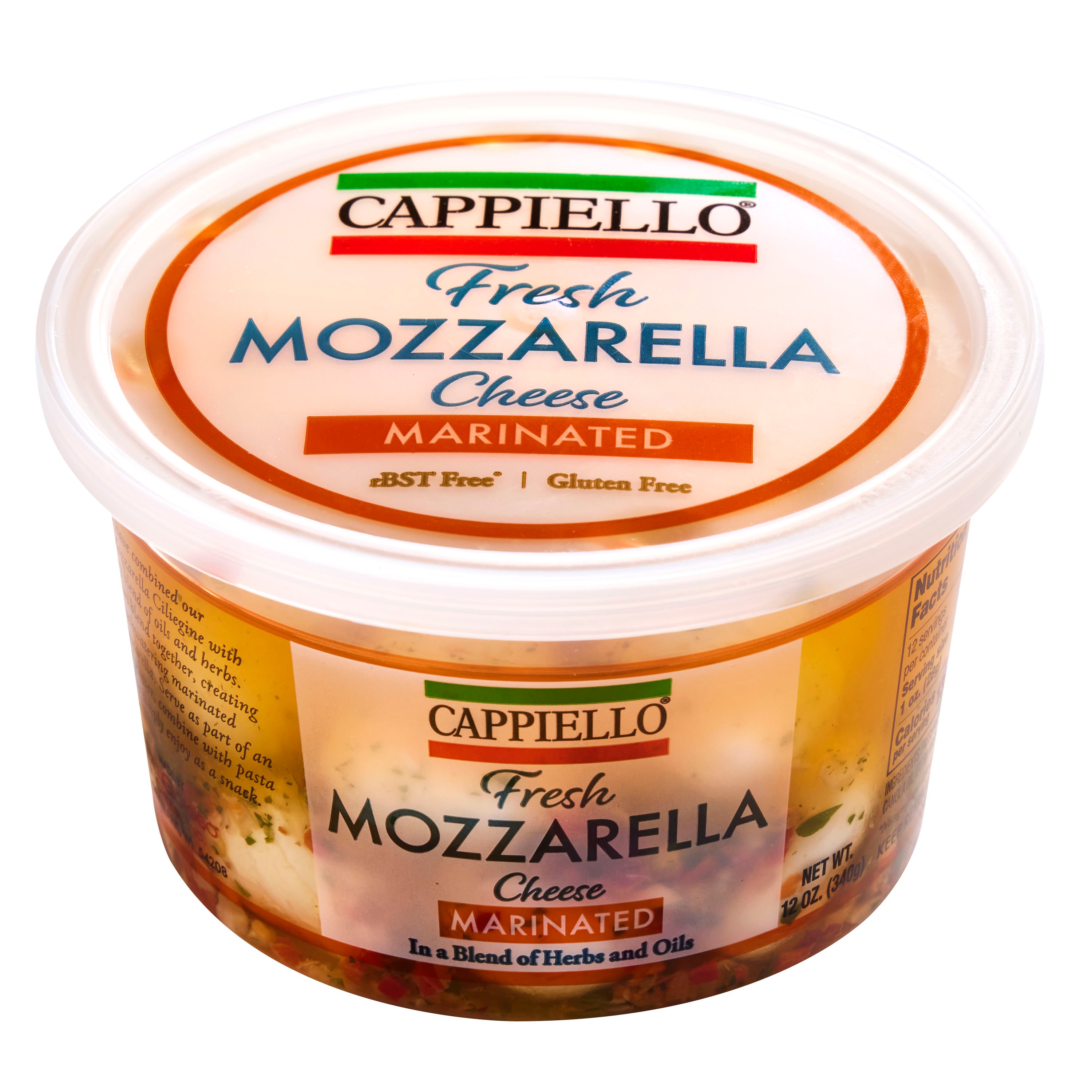
This marinated mozzarella features high-quality ingredients such as pasteurized milk and extra virgin olive oil, which are beneficial for health. The inclusion of fresh herbs and spices like red pepper, garlic, and parsley adds flavor and nutritional value. Despite being processed, the product maintains a clean ingredient list without harmful additives, which supports a higher score within its category.
Key ingredients 8
Extra virgin olive oilVery Good
High-quality monounsaturated fat with anti-inflammatory properties. Contains antioxidants that support heart health. Cold-pressed extraction preserves beneficial compounds.
Benefits
Rich in monounsaturated fats that support heart health and provide anti-inflammatory properties. Contains antioxidants like vitamin E and polyphenols that may reduce oxidative stress.
Pasteurized milkGood
Pasteurized milk is a primary source of calcium and protein, essential for bone health. The pasteurization process ensures safety by eliminating harmful bacteria. It provides a rich source of vitamins and minerals necessary for overall health.
Benefits
Rich in calcium and protein, supporting bone health and muscle function. Provides essential vitamins and minerals such as vitamin D and B12.
Red pepperGood
Red pepper adds flavor and color, and is a source of vitamins A and C. It contains capsaicin, which may have metabolism-boosting properties. Fresh and dried forms are used in culinary applications.
Risks
May cause irritation or allergic reactions in sensitive individuals.
Benefits
Rich in vitamins A and C, supporting immune function and skin health. Capsaicin may aid in metabolism and weight management.
GarlicGood
Garlic is known for its strong flavor and potential health benefits, including antimicrobial properties. It contains allicin, which may support cardiovascular health. Used widely in cooking for its aromatic qualities.
Risks
May cause digestive discomfort or allergic reactions in some individuals.
Benefits
Contains allicin, which may support heart health and provide antimicrobial benefits. Rich in antioxidants that may reduce inflammation.
ParsleyGood
Parsley is a fresh herb rich in vitamins A, C, and K, and provides a fresh flavor. It contains antioxidants that may support immune health. Often used as a garnish or flavor enhancer in dishes.
Benefits
Rich in vitamins and antioxidants, supporting immune function and bone health. Provides a fresh flavor and aroma to dishes.
Acetic acidNeutral
Acetic acid is used as a preservative and flavoring agent in foods. It is naturally found in vinegar and contributes to the tangy taste. It is generally recognized as safe when used in food products.
Risks
Excessive consumption may cause digestive discomfort.
SaltNeutral
Salt is used to enhance flavor and preserve food. It is a common culinary ingredient providing sodium, essential for fluid balance. However, excessive intake can lead to health issues such as hypertension.
Risks
High sodium intake may increase the risk of hypertension and cardiovascular diseases.
Benefits
Provides essential sodium for maintaining fluid balance and nerve function.
EnzymesNeutral
Enzymes are used in cheese production to aid in coagulation and flavor development. They are naturally occurring proteins that facilitate biochemical reactions. Typically derived from microbial or animal sources, they are essential for cheese texture.
Benefits
Essential for cheese production, contributing to texture and flavor development.
Processing
Processed Foods
Get the full breakdown in the Scout appTake Scout shopping
Scan any product to see lab results, healthy alternatives, and your personalized analysis.
Download on theApp Store GET IT ONGoogle Play