

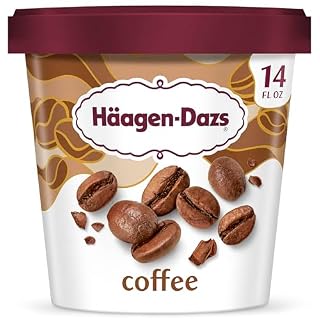



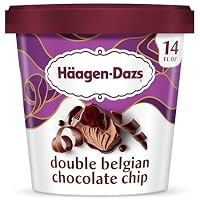
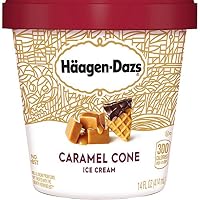
Häagen-Dazs Java Chip Ice Cream
Häagen-DazsAnalysis updated June 2026 · How Scout scores
At a glance
Summary
This ice cream is ultra-processed, which limits its potential health score despite containing some beneficial ingredients like cream, egg yolks, and coffee. The presence of refined sugar and natural flavors contributes to its high processing level, and the inclusion of soy lecithin as an emulsifier further indicates a reliance on processed additives. While the product does not contain seed oils or artificial dyes, the high sugar content and processing level significantly impact its overall healthiness.
Key ingredients 13
CreamGood
Cream is a high-quality source of dairy fat, providing essential fatty acids and fat-soluble vitamins. It is minimally processed and often sourced from pasture-raised cows, which can enhance its nutritional profile. Compared to plant-based alternatives, cream offers a richer taste and texture.
Risks
High in saturated fat, which may contribute to heart disease if consumed in excess.
Benefits
Provides fat-soluble vitamins such as A, D, E, and K, and can be a source of conjugated linoleic acid (CLA) with potential health benefits.
Egg YolksGood
Egg yolks are a nutrient-dense food containing essential vitamins and minerals, including vitamin D, B vitamins, and choline. They are minimally processed and provide high-quality protein and healthy fats. Compared to egg whites, yolks offer a broader range of nutrients.
Risks
High in cholesterol, which may be a concern for individuals with specific dietary restrictions.
Benefits
Rich in essential nutrients like choline, which supports brain health, and vitamin D, which is important for bone health.
CoffeeGood
Coffee is a natural source of antioxidants and can enhance mental alertness due to its caffeine content. It is minimally processed and can provide health benefits when consumed in moderation. Compared to artificial flavorings, coffee offers a natural and rich flavor profile.
Risks
Excessive consumption can lead to caffeine-related side effects such as insomnia and increased heart rate.
Benefits
Contains antioxidants that may reduce inflammation and improve overall health.
Coconut OilGood
Beneficial ingredient — whole-food or functional value in this product class.
Risks
High in saturated fat, which may contribute to heart disease if consumed in excess.
Benefits
Contains MCTs, which may provide a quick source of energy and support metabolic health.
MilkGood
Whole dairy ingredient.
Risks
May cause digestive issues for individuals with lactose intolerance.
Benefits
Rich in calcium and protein, supporting bone health and muscle maintenance.
Skim MilkNeutral
Skim milk is a low-fat dairy product that provides protein and calcium without the added fat content of whole milk. It is pasteurized to ensure safety and extend shelf life. While it lacks the fat-soluble vitamins found in whole milk, it is a good source of calcium and protein.
Benefits
Rich in calcium and protein, supporting bone health and muscle maintenance.
Cocoa Processed With AlkaliNeutral
Cocoa processed with alkali, also known as Dutch-processed cocoa, has a milder flavor and darker color. The alkalization process reduces acidity but may also decrease antioxidant content. Compared to natural cocoa, it offers a smoother taste but potentially fewer health benefits.
Risks
Reduced antioxidant content compared to non-alkalized cocoa.
Benefits
Provides a rich chocolate flavor and can be used in a variety of culinary applications.
Butter OilNeutral
Butter oil is a concentrated form of butterfat, providing a rich source of dairy fat. It is minimally processed and retains the flavor and aroma of butter. While it is high in saturated fat, it can be a source of fat-soluble vitamins.
Risks
High in saturated fat, which may contribute to heart disease if consumed in excess.
Benefits
Contains fat-soluble vitamins such as A and E, which are important for various bodily functions.
Corn StarchNeutral
Corn starch is a refined carbohydrate used as a thickening agent in various foods. It is highly processed and provides no significant nutrients. While it is effective for texture modification, it offers no health benefits.
See more about Corn Starch →SugarBad
Refined sugar is a high-calorie sweetener with no essential nutrients. It is heavily processed and can contribute to various health issues when consumed in excess. Compared to natural sweeteners, refined sugar offers no additional health benefits.
Risks
Excessive consumption can lead to obesity, type 2 diabetes, and dental cavities.
Brown SugarBad
Processed additive flagged under Scout's ingredient doctrine.
Risks
Similar health risks as refined sugar, including potential for weight gain and increased risk of metabolic diseases.
Benefits
Provides a richer flavor profile compared to white sugar due to the presence of molasses.
Natural FlavorBad
Natural flavors are often used to enhance taste but lack transparency regarding their specific composition. They are highly processed and can contain a variety of chemical compounds. Compared to whole food ingredients, natural flavors offer no nutritional benefits.
Risks
Potential for allergic reactions or sensitivities due to undisclosed ingredients.
Soy LecithinBad
Soy lecithin is an emulsifier derived from soybeans, used to improve texture and consistency in foods. It is highly processed and may contain traces of soy allergens. Compared to whole soy foods, soy lecithin offers no significant nutritional benefits.
Risks
Potential allergen for individuals sensitive to soy.
Processing
Ultra-Processed Foods
Get the full breakdown in the Scout appTake Scout shopping
Scan any product to see lab results, healthy alternatives, and your personalized analysis.
Download on theApp Store GET IT ONGoogle PlayAmazon pricing & content
Amazon price as of . Product prices and availability are accurate as of the date/time indicated and are subject to change. Any price and availability information displayed on Amazon.com at the time of purchase will apply to the purchase of this product.
CERTAIN CONTENT THAT APPEARS ON THIS SITE COMES FROM AMAZON. THIS CONTENT IS PROVIDED “AS IS” AND IS SUBJECT TO CHANGE OR REMOVAL AT ANY TIME.