

At a glance
Summary
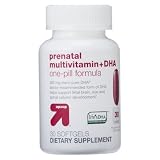
This prenatal vitamin contains beneficial ingredients such as calcium carbonate, ascorbic acid, and cholecalciferol, which support bone health, immune function, and calcium absorption. However, the presence of maltodextrin as a filler and the use of synthetic forms of some vitamins slightly detract from its overall quality. The formulation is generally effective but could be improved by using more bioavailable forms of certain nutrients.
Key ingredients 16
Vitamin AVery Good
Vitamin A is essential for vision, immune function, and skin health. It is a fat-soluble vitamin that supports cellular growth and differentiation. Adequate intake is crucial for maintaining healthy vision and immune response.
Risks
Excessive intake can lead to toxicity, particularly in supplement form.
Benefits
Supports vision, immune function, and skin health.
CholecalciferolVery Good
Cholecalciferol, or Vitamin D3, is crucial for calcium absorption and bone health. It is the most effective form of Vitamin D for raising blood levels. It also supports immune function and has anti-inflammatory properties.
Benefits
Enhances calcium absorption and supports bone health.
Ascorbic AcidGood
Ascorbic acid, also known as Vitamin C, is a powerful antioxidant that supports immune function and skin health. It is essential for collagen synthesis and enhances iron absorption. Its water-soluble nature ensures it is easily absorbed by the body.
Benefits
Boosts immune function and enhances iron absorption.
Ferrous FumarateGood
Ferrous fumarate is a form of iron used to prevent and treat iron deficiency anemia. It is well-absorbed and effective in increasing iron levels. However, it may cause gastrointestinal side effects in some individuals.
Risks
May cause gastrointestinal side effects such as constipation or nausea.
Benefits
Effective in treating iron deficiency anemia and increasing iron levels.
Zinc OxideGood
Zinc oxide is a form of zinc used in supplements to support immune function and wound healing. It is an essential mineral that plays a role in numerous enzymatic reactions. It is less bioavailable than other forms of zinc but still effective.
Benefits
Supports immune function and wound healing.
Alpha-TocopherolGood
Alpha-tocopherol is a form of Vitamin E that acts as an antioxidant, protecting cells from oxidative damage. It supports immune function and skin health. It is the most biologically active form of Vitamin E.
Benefits
Acts as an antioxidant and supports immune function.
ThiamineGood
Thiamine, or Vitamin B1, is essential for energy metabolism and nerve function. It plays a critical role in converting carbohydrates into energy. Adequate intake is necessary for maintaining proper nervous system function.
Benefits
Supports energy metabolism and nerve function.
RiboflavinGood
Riboflavin, or Vitamin B2, is important for energy production and cellular function. It helps convert food into energy and supports the metabolism of fats, drugs, and steroids. It also acts as an antioxidant.
Benefits
Supports energy production and acts as an antioxidant.
NiacinGood
Niacin, or Vitamin B3, is essential for energy metabolism and DNA repair. It helps convert nutrients into energy and supports skin health. It also plays a role in maintaining healthy cholesterol levels.
Risks
High doses may cause flushing or liver damage.
Benefits
Supports energy metabolism and maintains healthy cholesterol levels.
PyridoxineGood
Pyridoxine, or Vitamin B6, is crucial for protein metabolism and cognitive development. It supports neurotransmitter synthesis and immune function. Adequate intake is important for brain health and mood regulation.
Benefits
Supports protein metabolism and cognitive development.
CyanocobalaminGood
Cyanocobalamin is a form of Vitamin B12 essential for nerve function and red blood cell formation. It is crucial for DNA synthesis and energy production. It is the most stable and widely used form of Vitamin B12 in supplements.
Benefits
Supports nerve function and red blood cell formation.
Calcium CarbonateNeutral
Standard formulation ingredient — neither beneficial nor harmful at typical use.
Risks
May cause constipation or gastrointestinal discomfort in some individuals.
Benefits
Provides essential calcium for bone health and development.
Microcrystalline CelluloseNeutral
Microcrystalline cellulose is a common filler and binder used in supplements to provide structure. It is derived from plant cellulose and is generally considered safe. It does not provide nutritional benefits but aids in tablet formulation.
See more about Microcrystalline Cellulose →Folic AcidNeutral
Standard formulation ingredient — neither beneficial nor harmful at typical use.
Benefits
Prevents neural tube defects and supports DNA synthesis.
DL-Alpha Tocopheryl AcetateNeutral
DL-Alpha Tocopheryl Acetate is a synthetic form of Vitamin E used for its antioxidant properties. It is less bioavailable than natural forms but still provides some antioxidant benefits. It is commonly used in supplements and fortified foods.
Benefits
Provides antioxidant benefits, though less bioavailable than natural forms.
MaltodextrinBad
Processed additive flagged under Scout's ingredient doctrine.
Risks
High glycemic index may affect blood sugar levels if consumed in large amounts.
Benefits
Provides a quick source of energy.
Processing
Processed Foods
Get the full breakdown in the Scout appTake Scout shopping
Scan any product to see lab results, healthy alternatives, and your personalized analysis.
Download on theApp Store GET IT ONGoogle Play