
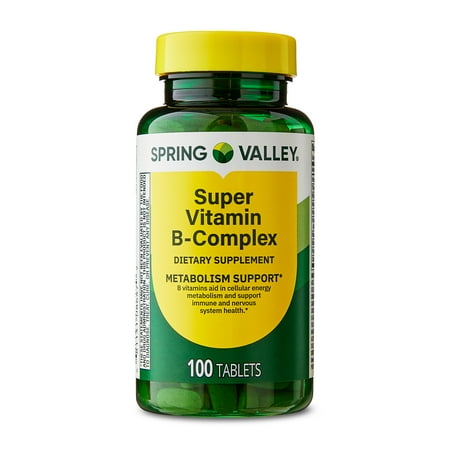

Spring Valley Super Vitamin B-Complex Dietary Supplement Tablets for Metabolism Support 100 Count
Analysis updated July 2026 · How Scout scores
At a glance
Summary
This vitamin B-complex supplement contains beneficial ingredients such as ascorbic acid, thiamine mononitrate, and nicotinamide, which support energy metabolism and overall health. However, the presence of magnesium stearate, a common additive that may inhibit nutrient absorption, and a moderate number of other additives slightly detracts from its overall quality. Despite being highly processed, the formulation includes essential vitamins in bioavailable forms, making it a reasonable choice for supplementation.
Key ingredients 18
Ascorbic AcidGood
Ascorbic acid, also known as Vitamin C, is a powerful antioxidant that supports immune function and skin health. It is water-soluble and helps in the absorption of iron from plant-based foods. Regular intake is necessary as the body cannot produce it.
Risks
High doses may cause gastrointestinal discomfort and increase the risk of kidney stones.
Benefits
Essential for collagen synthesis and acts as an antioxidant, protecting cells from damage.
Thiamine MononitrateGood
Thiamine mononitrate is a stable form of Vitamin B1, crucial for energy metabolism and nerve function. It is often used in supplements to prevent deficiencies, especially in populations with high carbohydrate intake. It is water-soluble and needs regular replenishment.
Benefits
Supports energy production and is vital for the proper functioning of the nervous system.
NicotinamideGood
Nicotinamide, a form of Vitamin B3, is essential for energy metabolism and DNA repair. It is water-soluble and does not cause flushing, unlike niacin. It plays a role in maintaining healthy skin and nervous system function.
Risks
High doses may cause liver damage and gastrointestinal issues.
Benefits
Supports energy production and has a protective role in skin health.
RiboflavinGood
Riboflavin, or Vitamin B2, is crucial for energy production and the metabolism of fats, drugs, and steroids. It is water-soluble and must be consumed regularly as the body does not store it. It also supports healthy skin and vision.
Benefits
Essential for energy production and maintaining healthy skin and eyes.
BiotinGood
Biotin, or Vitamin B7, is important for the metabolism of carbohydrates, fats, and proteins. It is water-soluble and supports healthy hair, skin, and nails. It is often included in supplements to prevent deficiencies.
Benefits
Supports metabolic processes and contributes to the maintenance of healthy hair and skin.
CyanocobalaminGood
Cyanocobalamin is a synthetic form of Vitamin B12, essential for nerve function and the production of DNA and red blood cells. It is water-soluble and often used in supplements to prevent deficiencies, especially in vegetarians and the elderly.
Benefits
Crucial for maintaining healthy nerve cells and preventing anemia.
D-Calcium PantothenateGood
D-Calcium pantothenate is a stable form of Vitamin B5, important for synthesizing coenzyme A and metabolizing carbohydrates, proteins, and fats. It is water-soluble and supports adrenal function and the production of red blood cells.
Benefits
Supports energy metabolism and the synthesis of essential coenzymes.
Pyridoxine HydrochlorideGood
Pyridoxine hydrochloride is a form of Vitamin B6, essential for protein metabolism and cognitive development. It is water-soluble and supports the production of neurotransmitters and hemoglobin. It is often included in supplements to prevent deficiencies.
Benefits
Supports brain health and the production of neurotransmitters.
Calcium CarbonateNeutral
Standard formulation ingredient — neither beneficial nor harmful at typical use.
Risks
Excessive intake may lead to hypercalcemia, which can cause kidney stones and impaired absorption of other minerals.
Benefits
Provides a significant source of calcium, essential for maintaining strong bones and teeth.
Microcrystalline CelluloseNeutral
Microcrystalline cellulose is a common filler and binder in supplements, providing no nutritional value. It is derived from plant cellulose and is generally recognized as safe. It helps in the uniform distribution of active ingredients in tablets.
See more about Microcrystalline Cellulose →SorbitolNeutral
Sorbitol is a sugar alcohol used as a sweetener and humectant in supplements. It is less caloric than sugar and does not cause a rapid increase in blood glucose levels. It is often used in sugar-free products.
Risks
Excessive consumption may lead to gastrointestinal discomfort, including bloating and diarrhea.
Benefits
Provides a lower-calorie alternative to sugar, suitable for diabetic-friendly formulations.
StarchNeutral
Starch is used as a filler and binder in supplements, providing no direct nutritional benefits. It is derived from plants and helps in the formation of tablets. It is generally recognized as safe for consumption.
Carboxymethylcellulose SodiumNeutral
Carboxymethylcellulose sodium is used as a thickener and stabilizer in supplements. It is derived from cellulose and is generally recognized as safe. It helps maintain the consistency and stability of the product.
Folic AcidNeutral
Standard formulation ingredient — neither beneficial nor harmful at typical use.
Risks
Excessive intake may mask Vitamin B12 deficiency symptoms.
Benefits
Essential for DNA synthesis and preventing birth defects during pregnancy.
Hydroxypropyl MethylcelluloseNeutral
Hydroxypropyl methylcellulose is used as a coating agent and stabilizer in supplements. It is derived from cellulose and is generally recognized as safe. It helps in the controlled release of active ingredients.
See more about Hydroxypropyl Methylcellulose →Magnesium StearateNeutral
Standard formulation ingredient — neither beneficial nor harmful at typical use.
Risks
May inhibit the absorption of nutrients if consumed in large quantities.
Polyvinyl AlcoholNeutral
Polyvinyl alcohol is used as a film-forming agent in supplements, providing no nutritional value. It is synthetic and helps in the controlled release of active ingredients. It is generally recognized as safe for consumption.
See more about Polyvinyl Alcohol →Silicon DioxideNeutral
Silicon dioxide is used as an anti-caking agent in supplements, providing no nutritional value. It is naturally occurring and helps prevent clumping of powdered ingredients. It is generally recognized as safe for consumption.
See more about Silicon Dioxide →Processing
Ultra-Processed Foods
Get the full breakdown in the Scout appTake Scout shopping
Scan any product to see lab results, healthy alternatives, and your personalized analysis.
Download on theApp Store GET IT ONGoogle Play