


At a glance
Summary
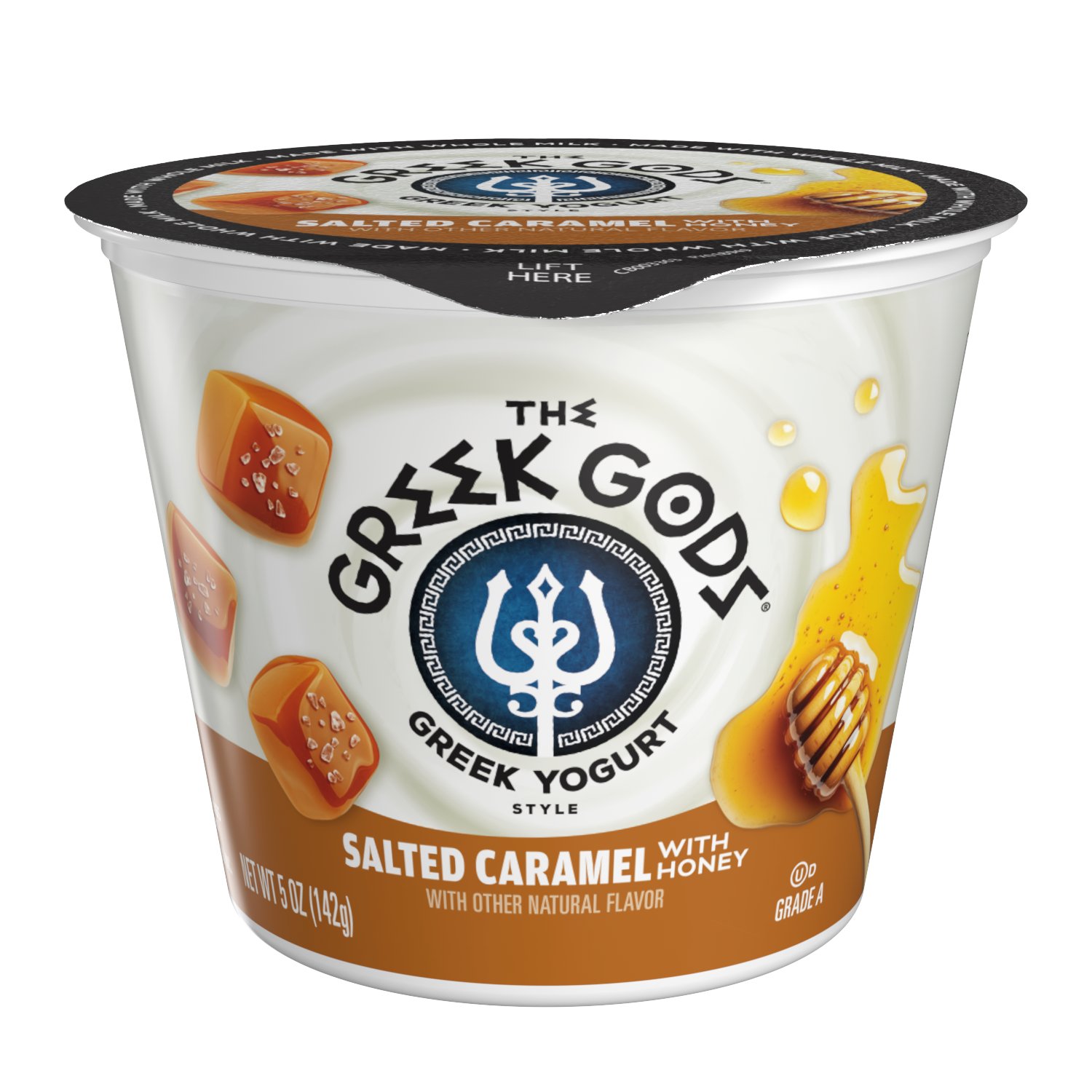
This Greek yogurt contains beneficial ingredients like cultured milk, cream, and butter, which provide protein, healthy fats, and probiotics. However, it also includes refined sugars and natural flavors, which are processed and offer minimal nutritional value. The presence of these processed ingredients and added sugars limits its health benefits, resulting in a moderate processing level.
Key ingredients 9
Cultured Pasteurized Grade A MilkGood
This is a high-quality source of protein and calcium, essential for bone health. The pasteurization process ensures safety by eliminating harmful bacteria. Culturing adds probiotics, which can support gut health.
Benefits
Provides essential nutrients like calcium and protein, and contains probiotics that may improve digestive health.
CreamGood
Cream is a source of healthy fats and fat-soluble vitamins, which are important for various bodily functions. It is minimally processed, retaining its natural nutrients. When sourced from grass-fed cows, it can contain higher levels of omega-3 fatty acids.
Risks
High in saturated fats, which should be consumed in moderation to avoid cardiovascular risks.
Benefits
Rich in fat-soluble vitamins and can provide beneficial omega-3 fatty acids if sourced from grass-fed cows.
HoneyGood
Traditional whole-food sweetener with trace enzymes and antioxidants.
Risks
High sugar content can contribute to weight gain and blood sugar spikes if consumed in excess.
Benefits
Contains antioxidants and trace nutrients, offering a more natural alternative to refined sugars.
ButterGood
Butter is a natural source of fat-soluble vitamins like A, D, and E. It is minimally processed and can be a good source of healthy fats when consumed in moderation. Grass-fed butter contains higher levels of beneficial omega-3 fatty acids.
Risks
High in saturated fats, which should be consumed in moderation to avoid cardiovascular risks.
Benefits
Provides essential fat-soluble vitamins and can contain beneficial omega-3 fatty acids if sourced from grass-fed cows.
PectinNeutral
Pectin is a natural fiber used as a gelling agent in foods. It is derived from fruits and is minimally processed. It can aid in digestion and improve gut health due to its fiber content.
Benefits
May support digestive health due to its fiber content.
SaltNeutral
Salt is a common seasoning that enhances flavor but provides no nutritional benefits. It is minimally processed but should be consumed in moderation to avoid health issues. Excessive intake can lead to hypertension and cardiovascular problems.
Risks
High sodium intake is linked to increased blood pressure and cardiovascular disease risk.
Brown Cane SugarBad
Brown cane sugar is a refined sugar that can contribute to increased calorie intake and potential weight gain. It is processed similarly to white sugar, retaining minimal nutritional value. Excessive consumption can lead to health issues such as obesity and diabetes.
Risks
High sugar intake is associated with increased risk of obesity, type 2 diabetes, and dental cavities.
Cane SugarBad
Cane sugar is a refined sugar that provides empty calories without essential nutrients. It is highly processed, which strips away any potential nutritional benefits. Overconsumption can lead to health problems like obesity and metabolic syndrome.
Risks
Excessive consumption can increase the risk of obesity, insulin resistance, and dental issues.
Natural FlavorBad
Natural flavors are often highly processed and can contain a variety of chemical compounds. They provide no nutritional value and can be misleading as they may not be derived from the named source. The lack of transparency can be concerning for consumers with allergies or sensitivities.
Risks
Potential allergen risk due to undisclosed ingredients and processing methods.
Processing
Processed Foods
Get the full breakdown in the Scout appTake Scout shopping
Scan any product to see lab results, healthy alternatives, and your personalized analysis.
Download on theApp Store GET IT ONGoogle Play