


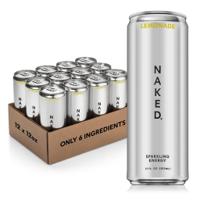
Naked Piña Colada Machine Boosted Smoothie
Analysis updated August 2026 · How Scout scores
At a glance
Summary
This smoothie contains a variety of natural fruit juices and purees, which provide vitamins and antioxidants. However, it is classified as ultra-processed due to the inclusion of 'natural flavor' and the use of juice concentrates, which detract from its overall healthiness. Despite the presence of beneficial ingredients like coconut milk and inulin, the processing level and lack of organic certification limit its score.
Key ingredients 18
Pineapple JuiceGood
Pineapple juice is a natural source of vitamins and antioxidants, particularly vitamin C. It is minimally processed and retains most of its nutritional benefits. The natural sugars present provide energy without the need for added sugars.
Risks
Excessive consumption may lead to high sugar intake.
Benefits
Rich in vitamin C and antioxidants, supporting immune function and reducing inflammation.
Banana PureeGood
Banana puree is a natural ingredient rich in potassium and vitamin B6. It is minimally processed and retains most of its nutritional benefits. It adds natural sweetness and creaminess to the smoothie.
Benefits
Rich in potassium, supporting heart health and muscle function.
Coconut MilkGood
Coconut milk is a plant-based milk alternative rich in medium-chain triglycerides (MCTs). It is minimally processed and provides a creamy texture. MCTs are known for their potential to support weight management and energy levels.
Risks
High in saturated fats, which may be a concern if consumed in excess.
Benefits
Provides healthy fats and a creamy texture, supporting energy and satiety.
Orange JuiceGood
Orange juice is a natural source of vitamin C and other antioxidants. It is minimally processed and retains most of its nutritional benefits. It contributes to immune support and hydration.
Risks
High in natural sugars, which may contribute to calorie intake.
Benefits
Rich in vitamin C, supporting immune health and reducing oxidative stress.
InulinGood
Inulin is a prebiotic fiber that supports gut health by promoting beneficial bacteria. It is minimally processed and adds fiber to the diet. It may improve digestive health and enhance nutrient absorption.
Risks
Excessive intake may cause digestive discomfort in some individuals.
Benefits
Supports gut health and may improve digestion and nutrient absorption.
Lemon JuiceGood
Lemon juice is a natural source of vitamin C and antioxidants. It is minimally processed and adds a refreshing flavor. It supports immune function and may aid in digestion.
Benefits
Rich in vitamin C, supporting immune health and providing a refreshing taste.
Ascorbic AcidGood
Ascorbic acid is a form of vitamin C used as an antioxidant and preservative. It is minimally processed and supports immune health. It helps prevent oxidation and spoilage in the product.
Benefits
Supports immune function and acts as an antioxidant.
Vitamin CGood
Vitamin C is an essential nutrient that supports immune health and acts as an antioxidant. It is minimally processed and contributes to collagen synthesis. It helps protect cells from oxidative damage.
Benefits
Essential for immune health and collagen production.
Vitamine AcetateGood
Vitamine acetate is a form of vitamin E used as an antioxidant. It is minimally processed and supports skin health. It helps protect cells from oxidative damage.
Benefits
Supports skin health and acts as an antioxidant.
NiacinamideGood
Niacinamide is a form of vitamin B3 that supports energy metabolism and skin health. It is minimally processed and contributes to cellular energy production. It may improve skin barrier function and reduce inflammation.
Benefits
Supports energy metabolism and skin health.
D-Calcium PantothenateGood
D-Calcium pantothenate is a form of vitamin B5 that supports energy metabolism and skin health. It is minimally processed and contributes to the synthesis of coenzyme A. It may improve wound healing and reduce stress.
Benefits
Supports energy metabolism and skin health.
Pyridoxine HydrochlorideGood
Pyridoxine hydrochloride is a form of vitamin B6 that supports brain health and energy metabolism. It is minimally processed and contributes to neurotransmitter synthesis. It may improve mood and cognitive function.
Benefits
Supports brain health and energy metabolism.
CyanocobalaminGood
Cyanocobalamin is a form of vitamin B12 that supports nerve health and red blood cell formation. It is minimally processed and essential for DNA synthesis. It may improve energy levels and prevent anemia.
Benefits
Supports nerve health and red blood cell formation.
CoconutGood
Coconut is a natural ingredient rich in healthy fats and fiber. It is minimally processed and provides a source of medium-chain triglycerides (MCTs). It may support heart health and provide sustained energy.
Risks
High in saturated fats, which may be a concern if consumed in excess.
Benefits
Provides healthy fats and fiber, supporting heart health and energy.
Apple Juice From ConcentrateNeutral
Apple juice from concentrate is a processed form of apple juice that retains some vitamins and minerals. The concentration process may reduce some nutritional value compared to fresh juice. It provides natural sugars and hydration.
Risks
May contain less fiber and nutrients compared to whole apples.
Benefits
Provides hydration and a source of natural sugars for energy.
WaterNeutral
Water is essential for hydration and is a neutral ingredient in terms of nutrition. It acts as a solvent and carrier for other ingredients in the smoothie. It does not contribute any calories or nutrients.
Benefits
Essential for hydration and supports overall bodily functions.
Apple Juice ConcentrateNeutral
Apple juice concentrate is a more processed form of apple juice, often used to enhance sweetness. It retains some vitamins but lacks the fiber of whole apples. It is a source of natural sugars.
Risks
May contribute to higher sugar intake if consumed in large amounts.
Benefits
Provides natural sugars and some vitamins, contributing to energy levels.
Natural FlavorBad
Natural flavor is a catch-all term for flavoring agents derived from natural sources. It is highly processed and lacks transparency about its specific components. It may contain additives that are not disclosed.
Risks
Lack of transparency may pose risks for individuals with allergies or sensitivities.
Processing
Ultra-Processed Foods
Get the full breakdown in the Scout appTake Scout shopping
Scan any product to see lab results, healthy alternatives, and your personalized analysis.
Download on theApp Store GET IT ONGoogle PlayAmazon pricing & content
Amazon price as of . Product prices and availability are accurate as of the date/time indicated and are subject to change. Any price and availability information displayed on Amazon.com at the time of purchase will apply to the purchase of this product.
CERTAIN CONTENT THAT APPEARS ON THIS SITE COMES FROM AMAZON. THIS CONTENT IS PROVIDED “AS IS” AND IS SUBJECT TO CHANGE OR REMOVAL AT ANY TIME.