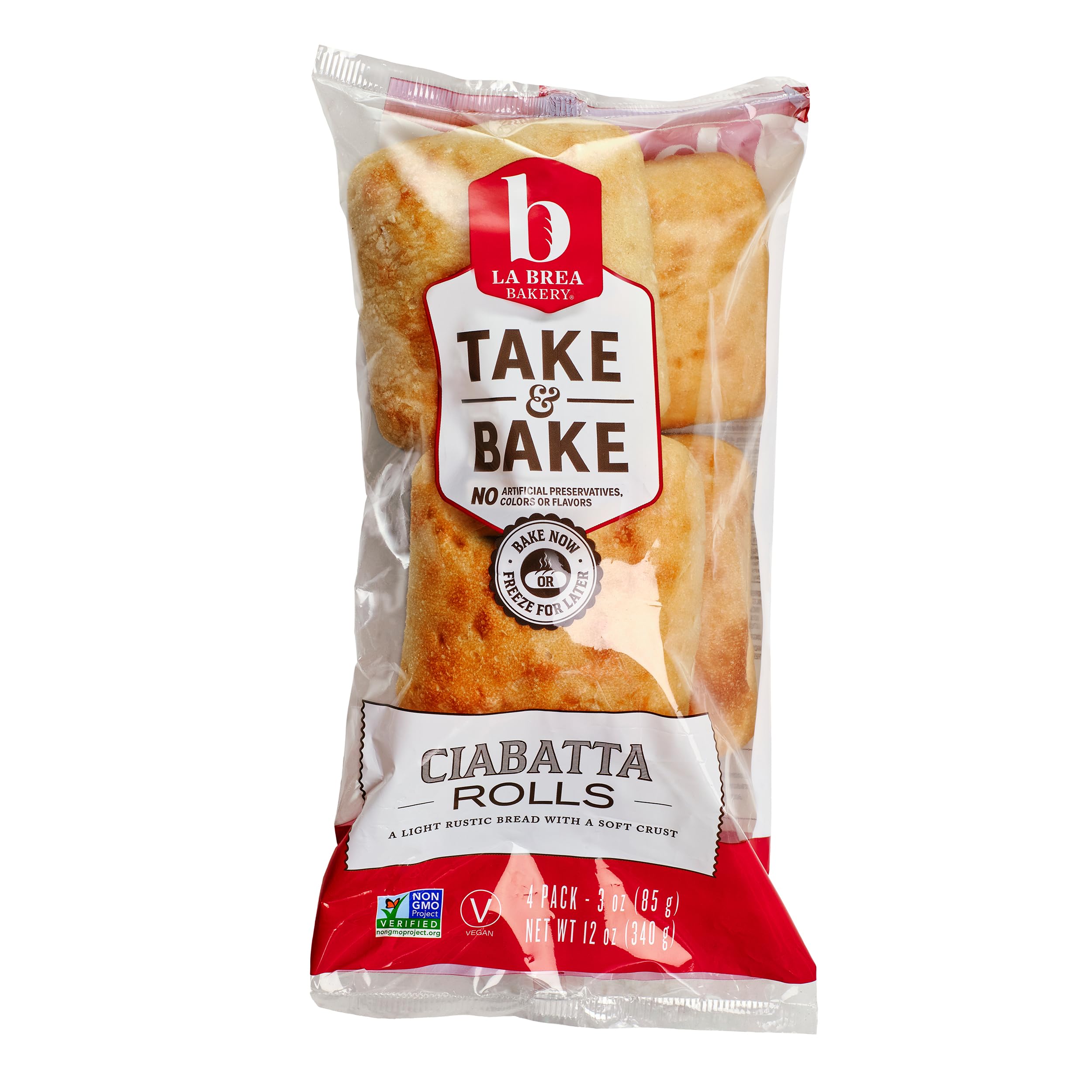
TAKE & BAKE CIABATTA
At a glance
Summary
The Take & Bake Ciabatta is made with enriched flour and contains additives like citric acid and ascorbic acid, which contribute to its ultra-processed nature. While it lacks harmful ingredients like seed oils or high-fructose corn syrup, the presence of refined flour and the processing level limit its health benefits. The product's clean label and absence of artificial colors or sweeteners are positive aspects, but the overall processing level restricts its score.
Key ingredients 11
Unbleached bread flourNeutral
Unbleached bread flour is a staple ingredient in bread making, providing structure and texture. It is enriched with vitamins and minerals like niacin, iron, thiamin mononitrate, riboflavin, and folic acid to replace nutrients lost during processing. While it is a refined carbohydrate, it is a common component in many baked goods.
Risks
Refined flour can contribute to blood sugar spikes and lacks the fiber found in whole grains.
Benefits
Provides essential vitamins and minerals due to enrichment, supporting overall nutritional intake.
WaterNeutral
Water is a fundamental ingredient in bread, necessary for hydrating the flour and activating yeast. It plays a crucial role in the dough formation and baking process. Water itself does not provide nutritional value but is essential for the texture and rise of the bread.
Benefits
Essential for dough formation and yeast activation in bread making.
SaltNeutral
Salt is used in bread to enhance flavor and control yeast activity. It is a common ingredient in baking, providing taste and texture. While necessary in small amounts, excessive salt intake can lead to health issues.
Risks
High sodium intake can contribute to hypertension and cardiovascular issues.
Benefits
Enhances flavor and helps control yeast fermentation in bread.
VinegarNeutral
Vinegar is used in bread as a natural preservative and to enhance flavor. It can help improve the texture and shelf life of baked goods. Vinegar is generally considered safe in small quantities used in baking.
Benefits
Acts as a natural preservative and flavor enhancer in bread.
Cultured wheat starchNeutral
Cultured wheat starch is used as a natural preservative in bread products. It helps extend shelf life by inhibiting mold growth. It is derived from wheat and is generally considered safe.
Risks
May pose a risk for individuals with wheat allergies or gluten intolerance.
Benefits
Helps extend the shelf life of bread by acting as a natural preservative.
Citric acidNeutral
Citric acid is a natural acidulant used to enhance flavor and preserve freshness in food products. It is commonly found in citrus fruits and is widely used in the food industry. Citric acid is generally recognized as safe when used in food products.
Risks
Excessive consumption may cause dental erosion or gastrointestinal discomfort.
Benefits
Enhances flavor and acts as a preservative in food products.
Wheat flourNeutral
Wheat flour is a primary ingredient in bread, providing structure and texture. It is a refined carbohydrate that is commonly used in baking. While it lacks the fiber of whole grains, it is a staple in many diets.
Risks
Refined flour can contribute to blood sugar spikes and lacks the fiber found in whole grains.
Benefits
Provides structure and texture to baked goods.
Ascorbic acidNeutral
Ascorbic acid, also known as vitamin C, is used as a dough conditioner to improve the quality and volume of bread. It is a common additive in baking and is generally considered safe. Ascorbic acid is also an antioxidant, though its primary function here is to enhance dough properties.
Benefits
Improves dough quality and volume in bread making.
EnzymesNeutral
Enzymes are used in bread making to improve dough handling and enhance texture. They are naturally occurring proteins that catalyze biochemical reactions. Enzymes are generally considered safe and are widely used in the baking industry.
Benefits
Enhances dough handling and texture in bread making.
YeastNeutral
Yeast is a crucial ingredient in bread making, responsible for fermentation and leavening. It helps the dough rise and contributes to the bread's texture and flavor. Yeast is a natural ingredient and is generally considered safe.
Benefits
Essential for fermentation and leavening in bread making.
MaltNeutral
Malt is used in bread to enhance flavor and color. It is derived from grains like barley and is a common ingredient in baking. Malt provides a subtle sweetness and is generally considered safe.
Risks
May pose a risk for individuals with gluten intolerance if derived from barley.
Benefits
Enhances flavor and color in baked goods.
Processing
Ultra-Processed Foods
Get the full breakdown in the Scout appTake Scout shopping
Scan any product to see lab results, healthy alternatives, and your personalized analysis.
Are you Target Stores? Fix an error Get the badge Get tested